Monash Innovation Labs opened its doors for another AMTIL ‘AI in Manufacturing’ event
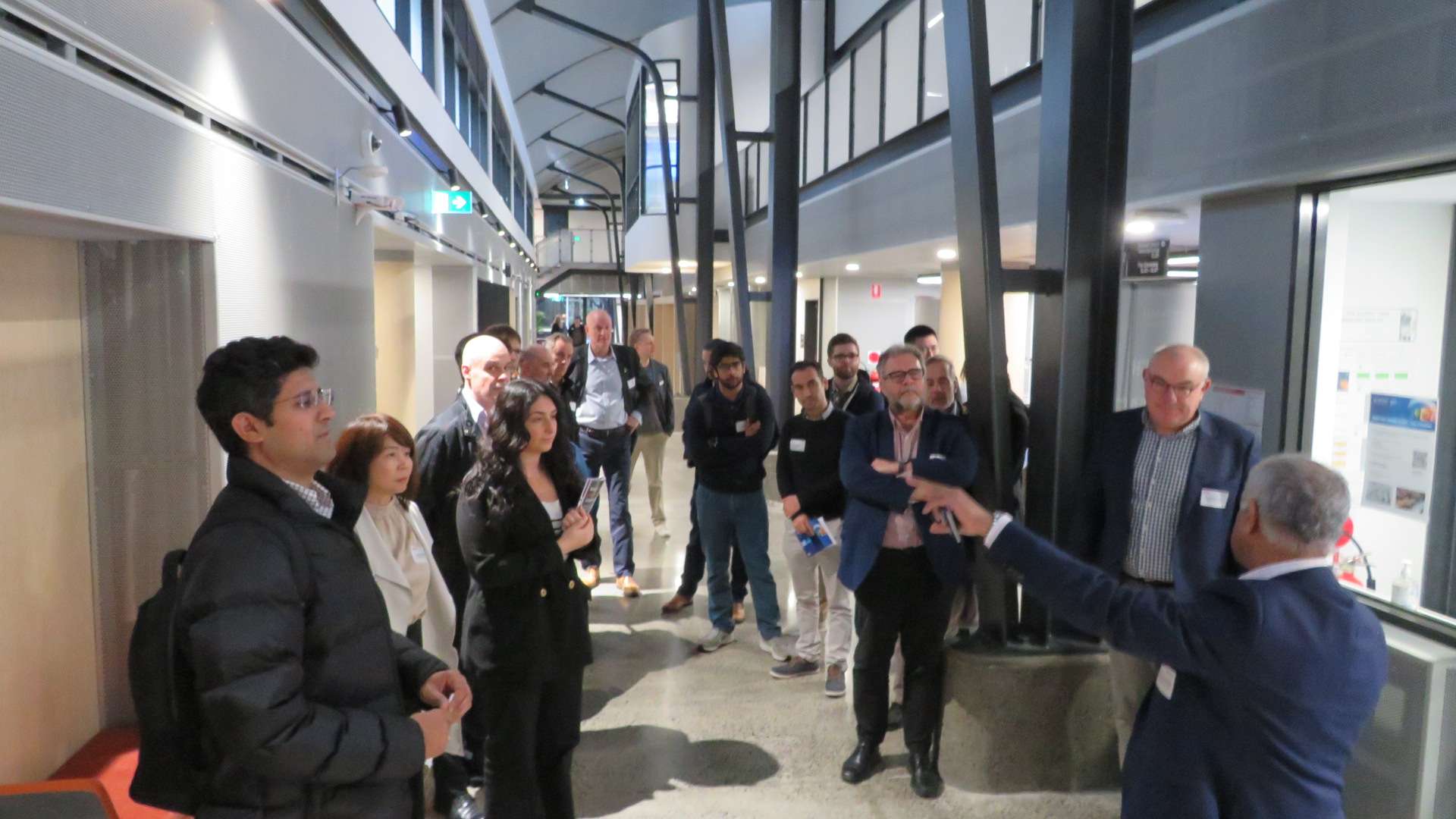
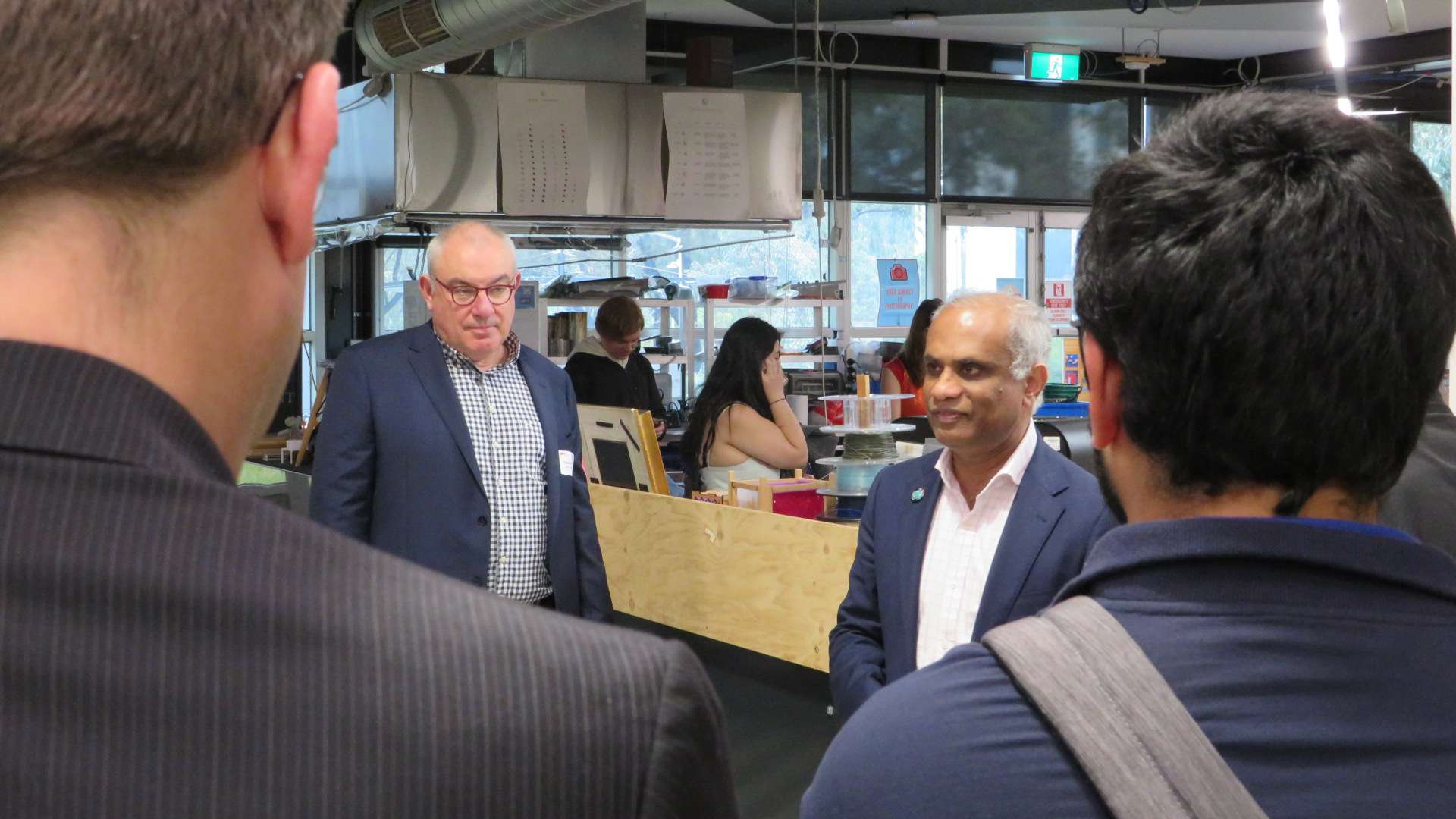
Many manufacturing projects involve artificial intelligence (AI), and AMTIL collaborated with Monash Innovation Labs once again recently. They invited AMTIL members to tour the facilities and network with the best minds in the business.
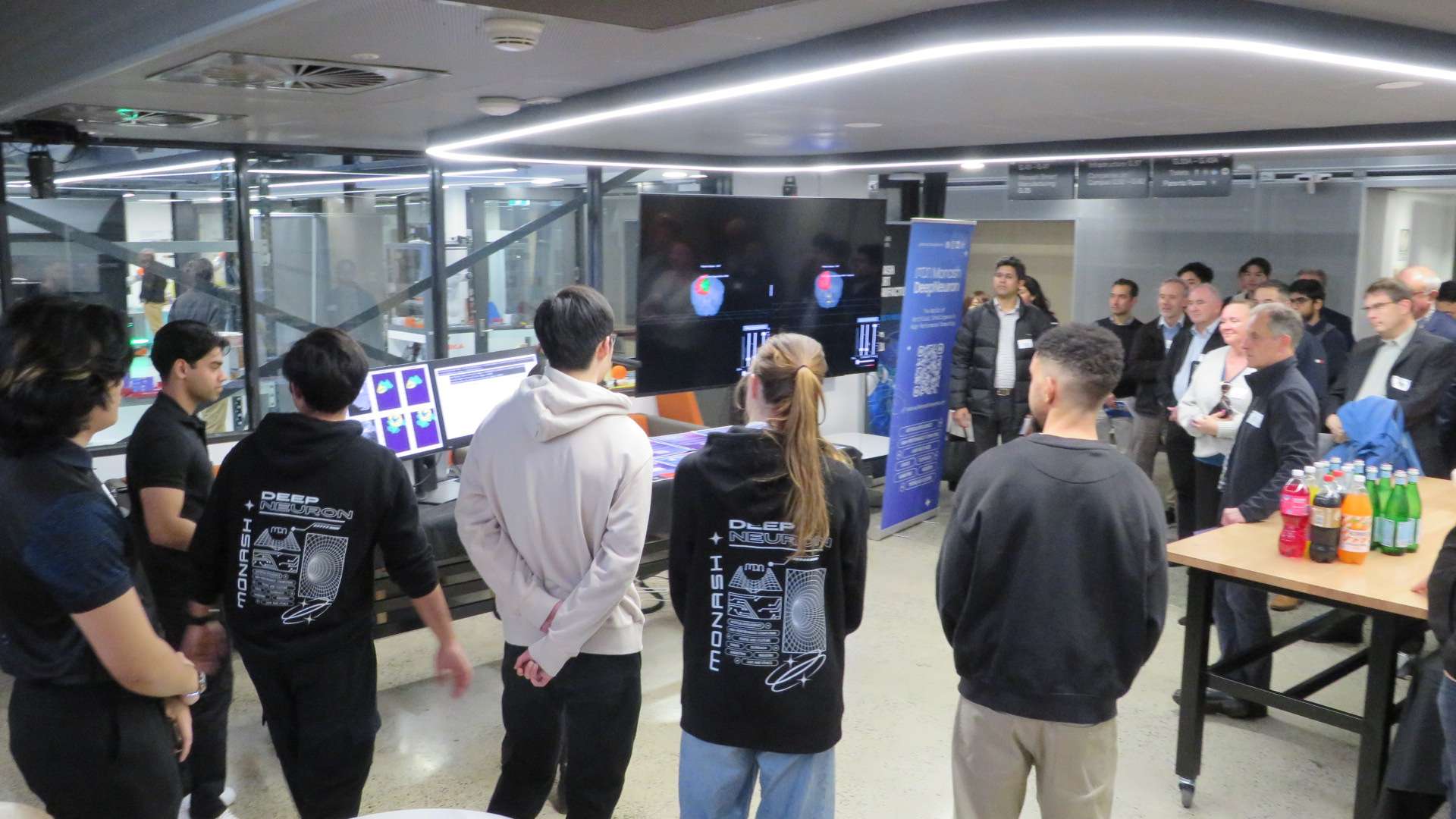
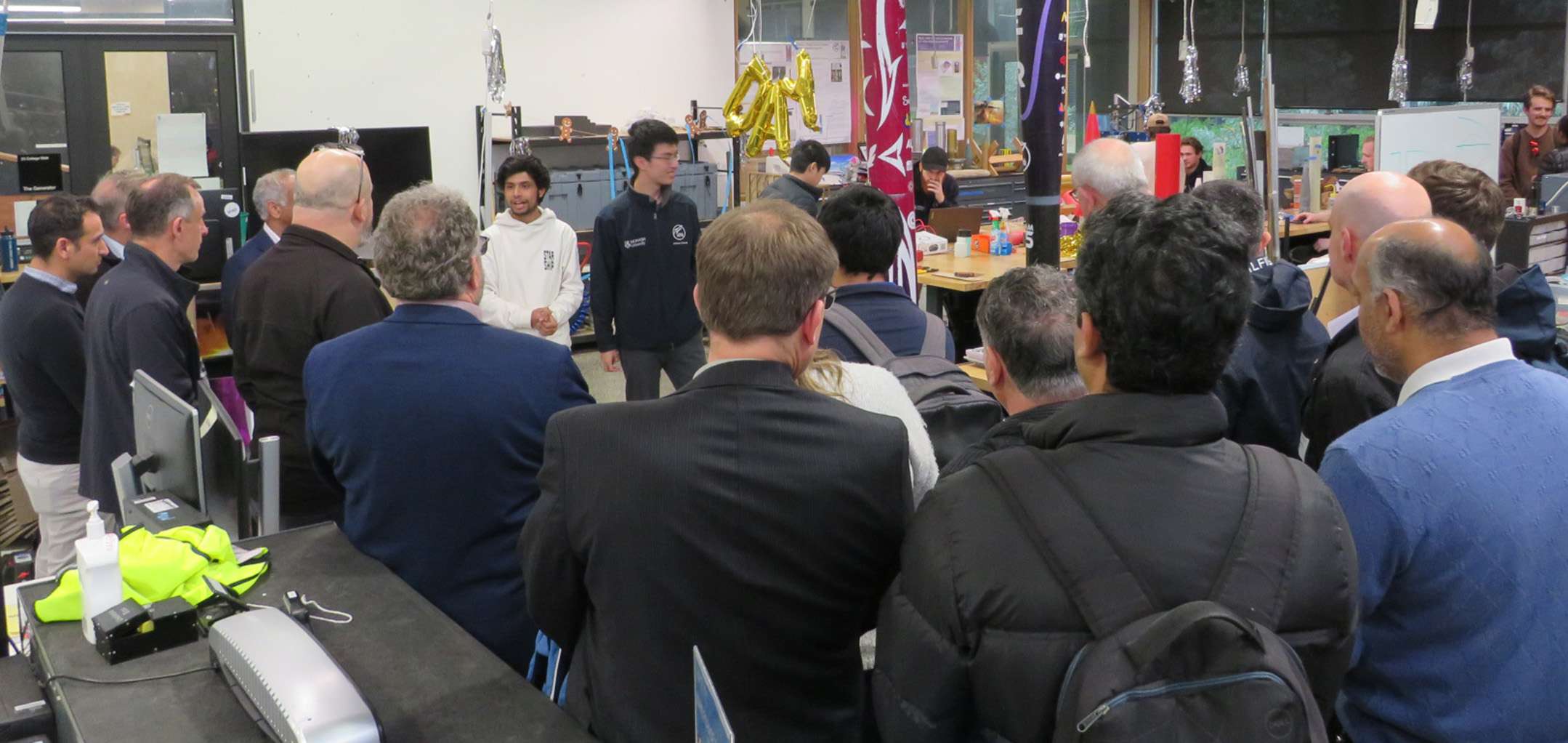
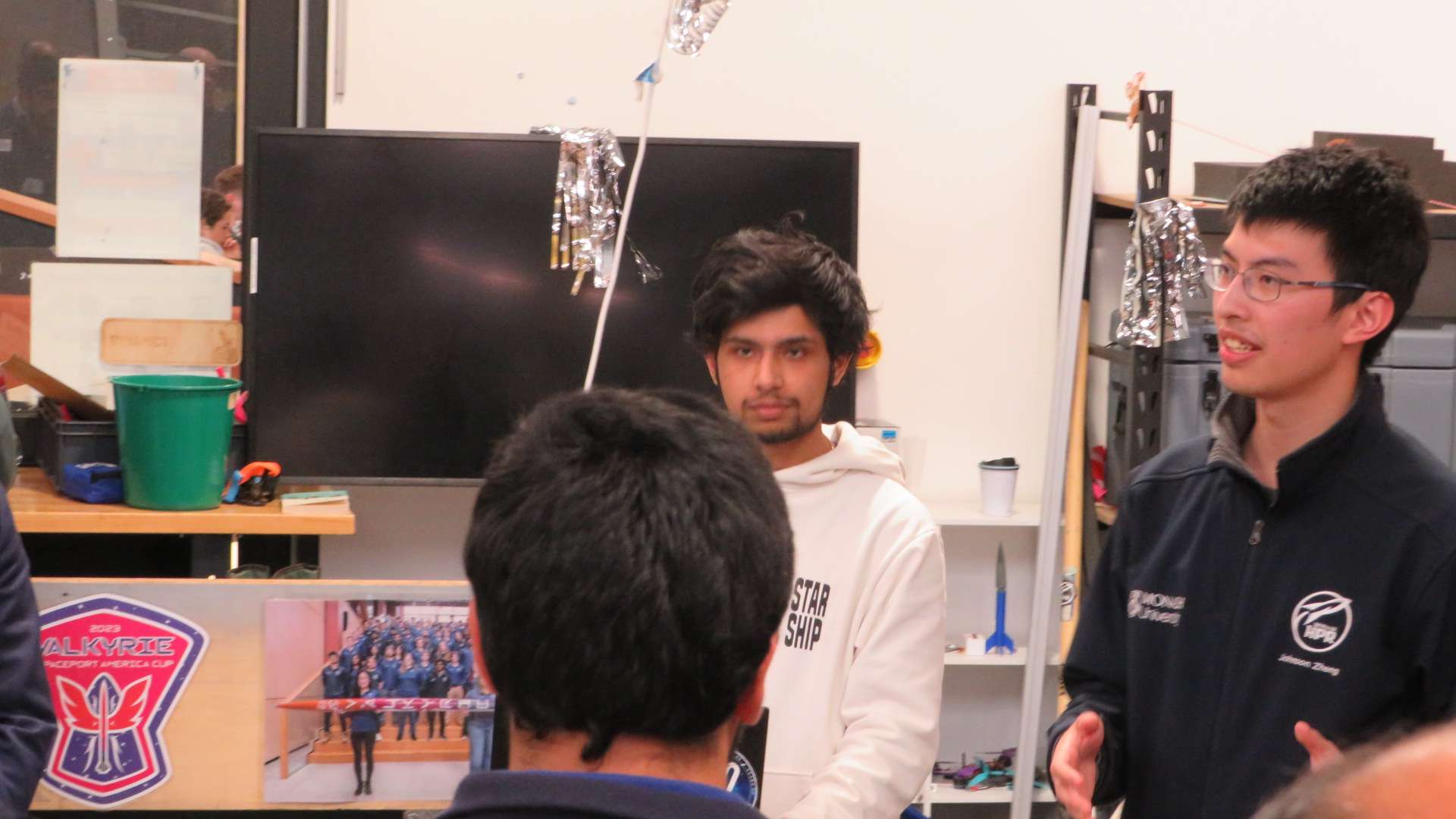
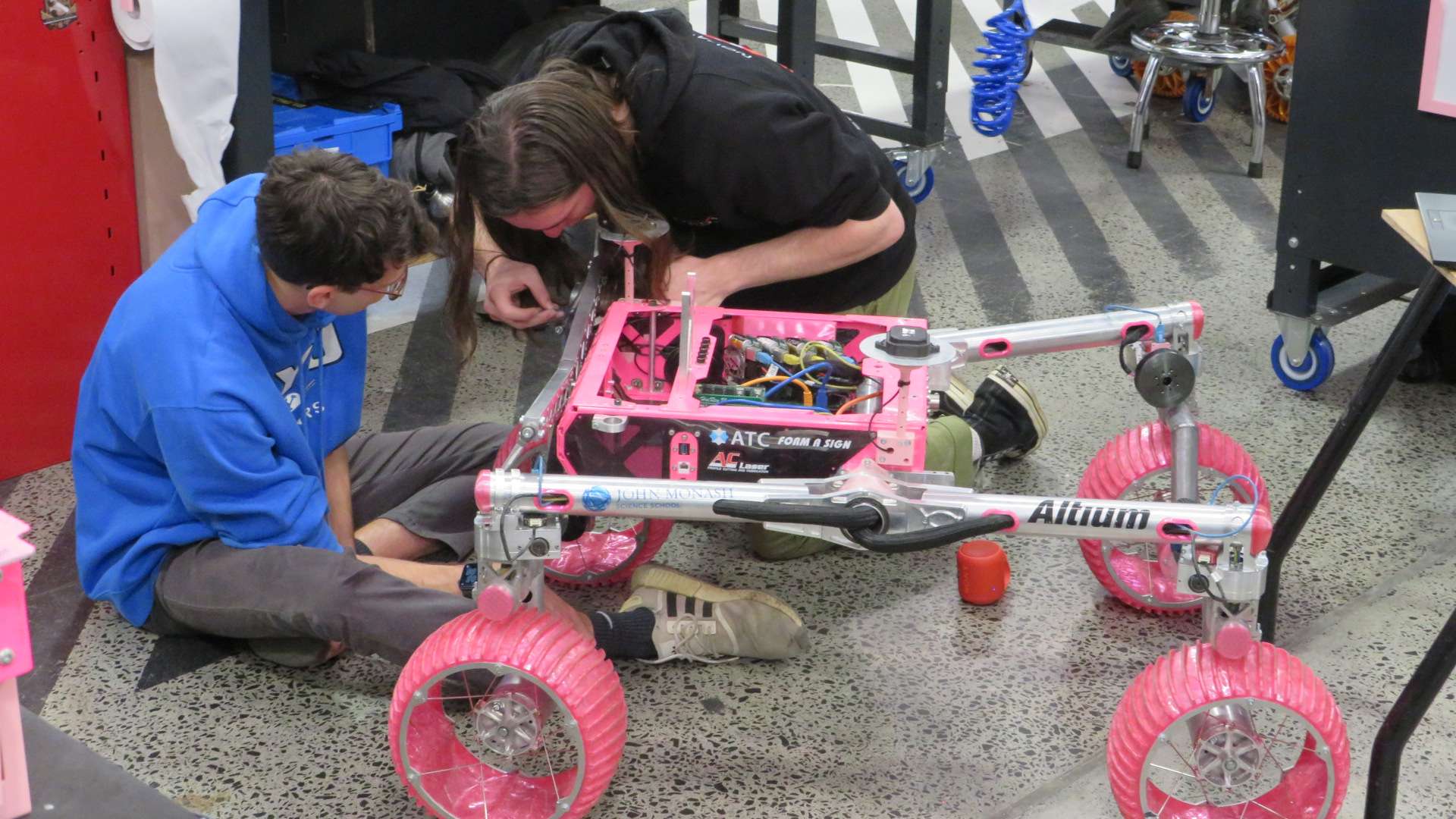
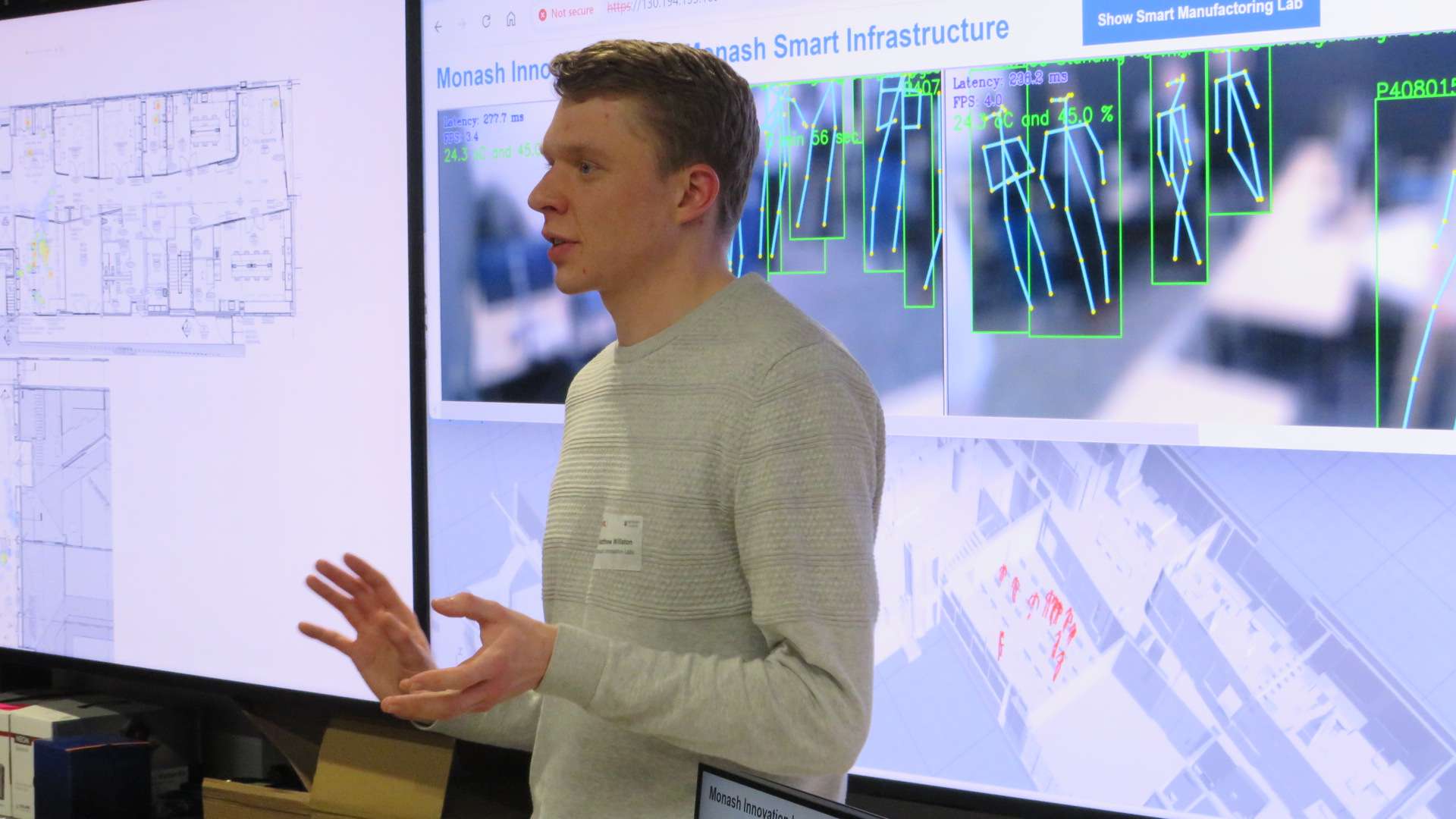
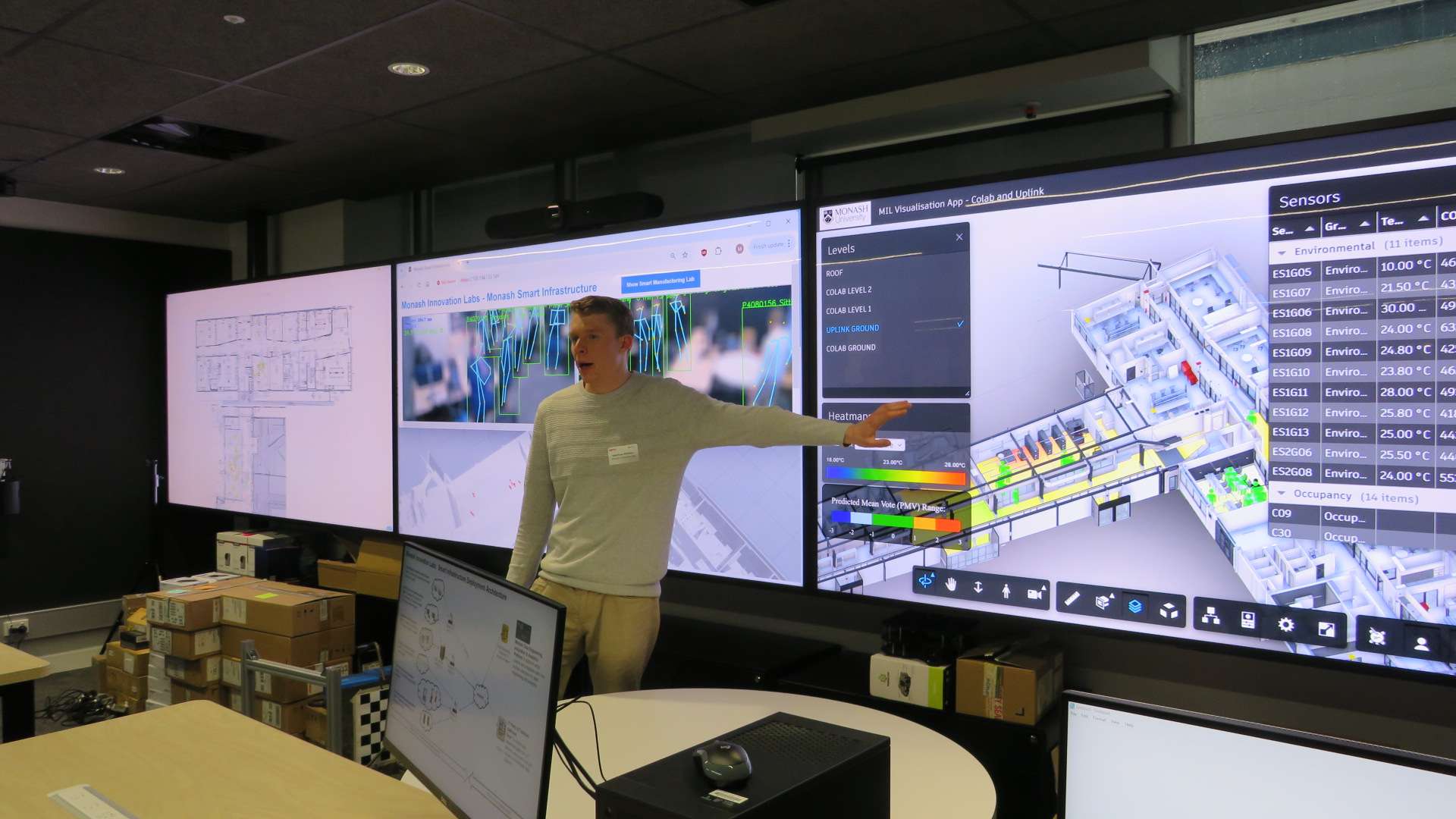
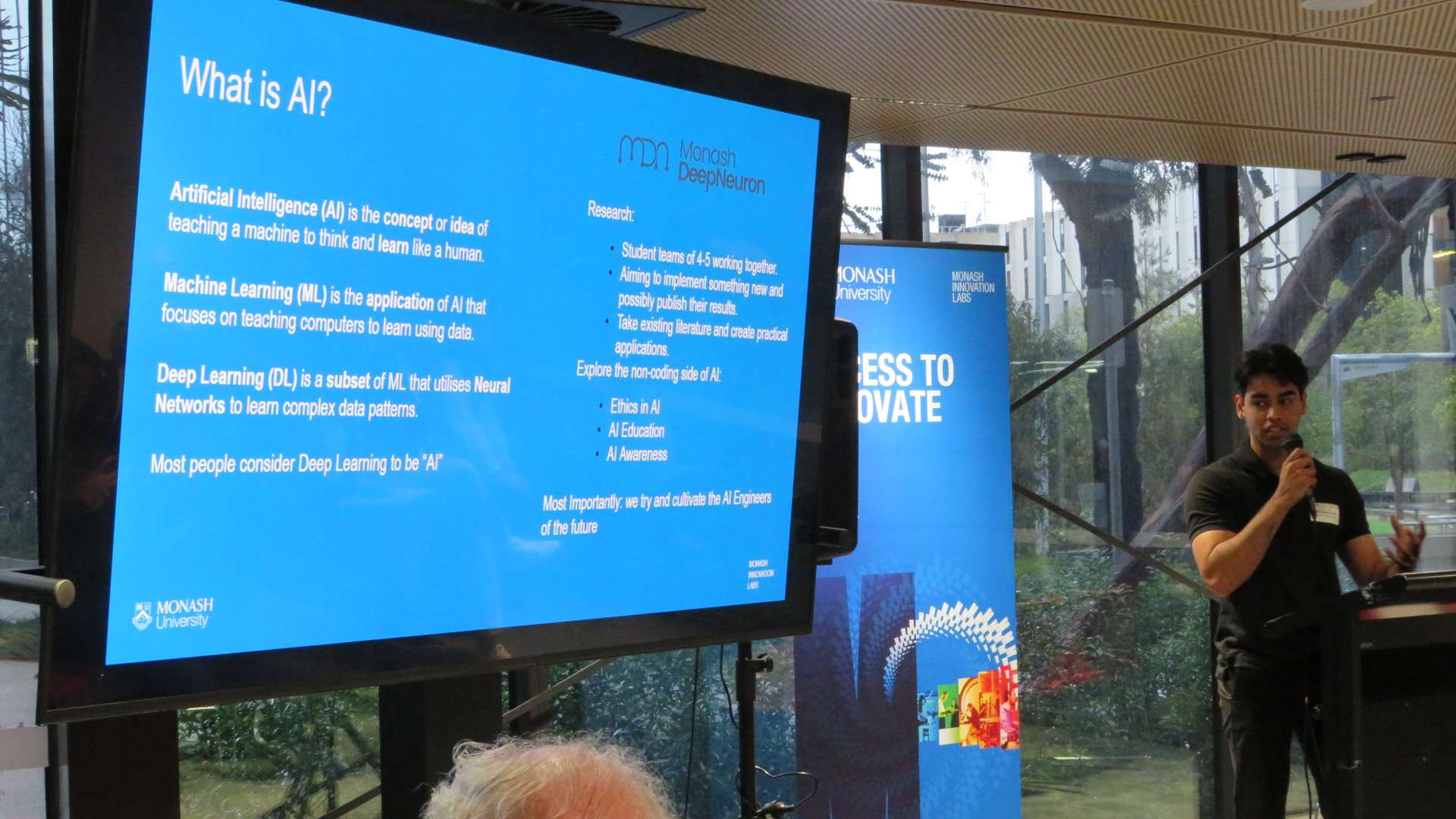
Prof. Adrian Neild, Director of the Monash Innovation Labs, presented on industry partnership opportunities. There were guided tours of the Makerspace, the Monash Deep Neuron display, Monash Automation, and Monash Smart Manufacturing with the digital twin systems, as demonstrated by Dr Keenan Granland.
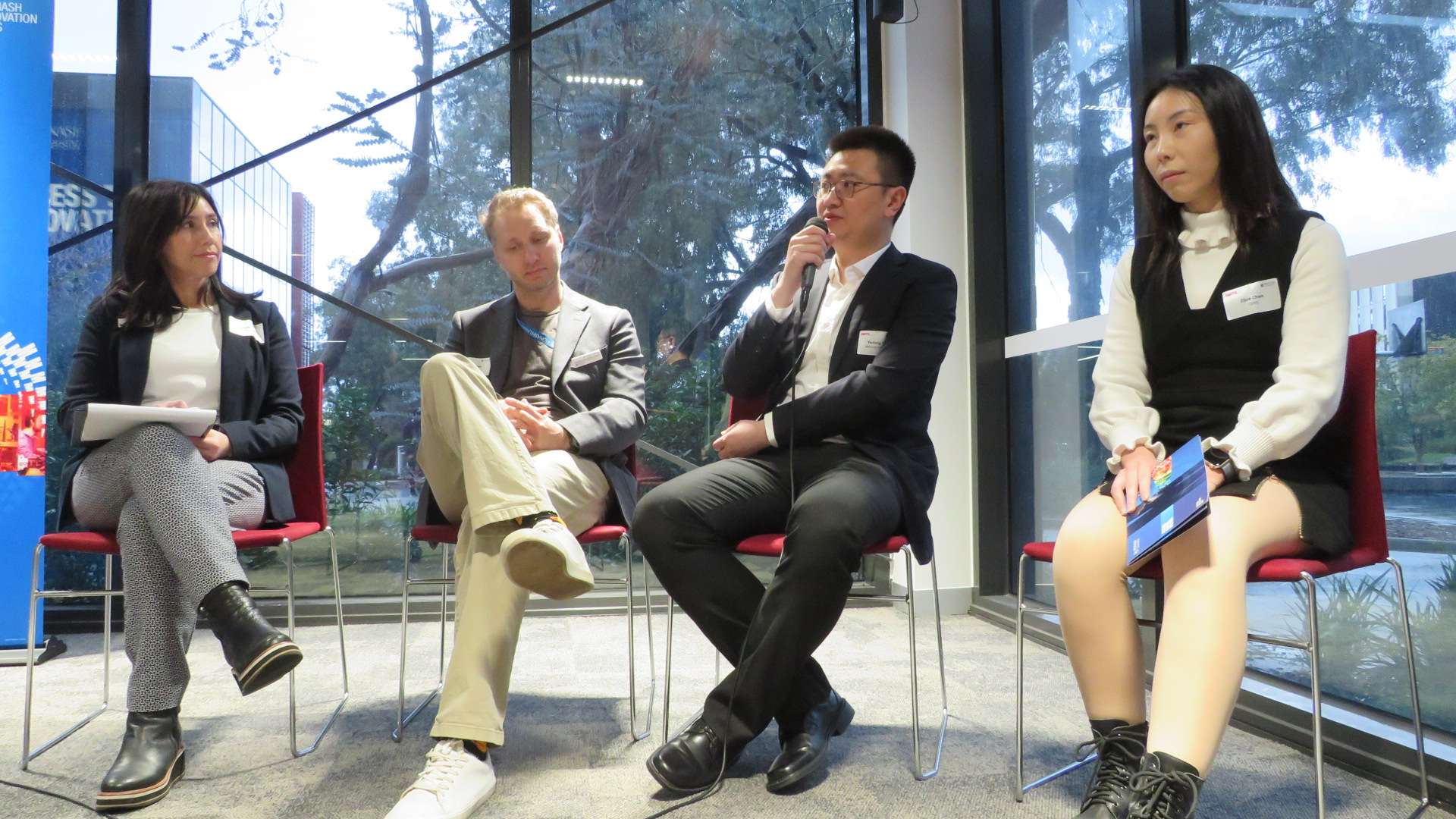
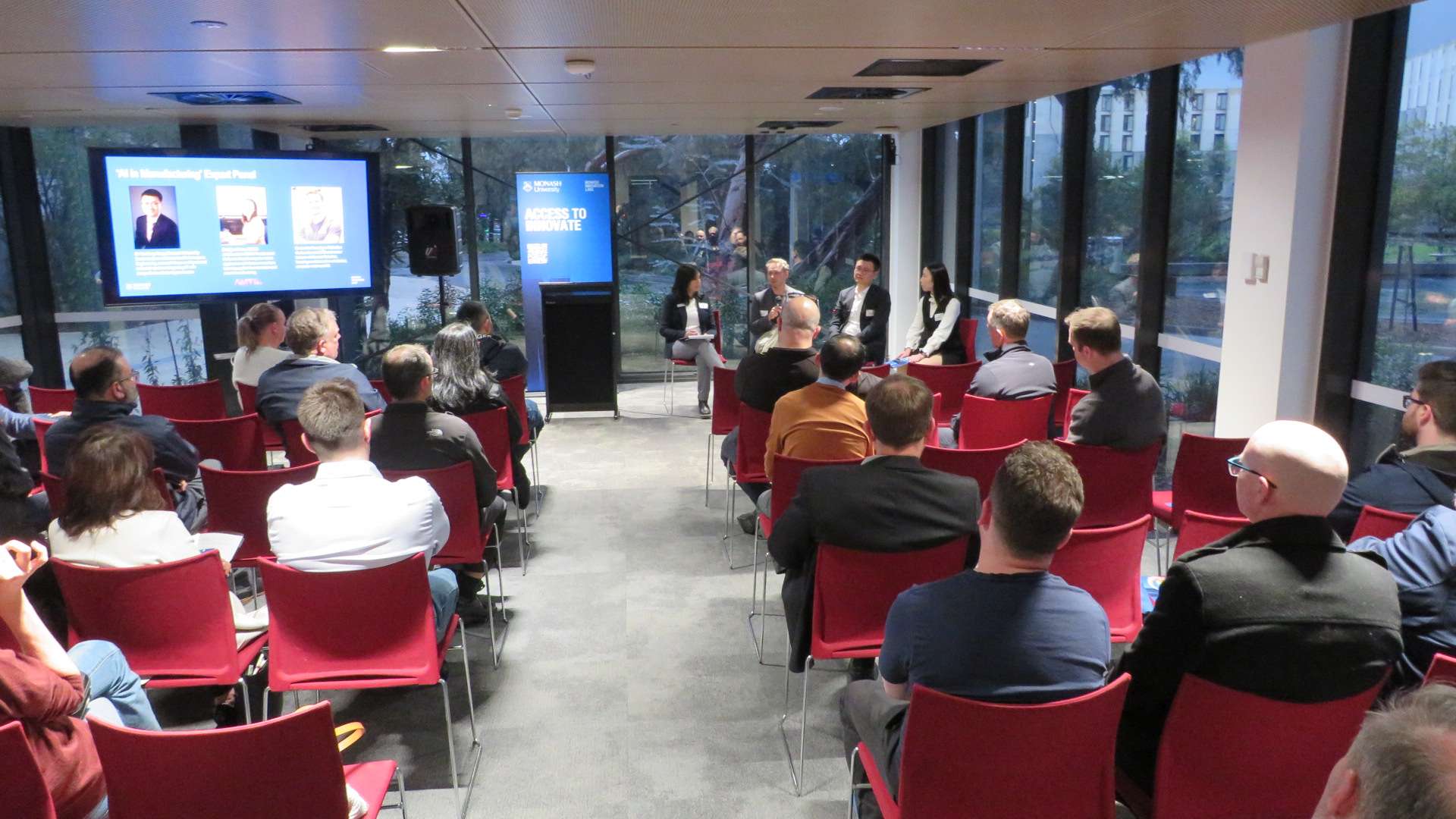
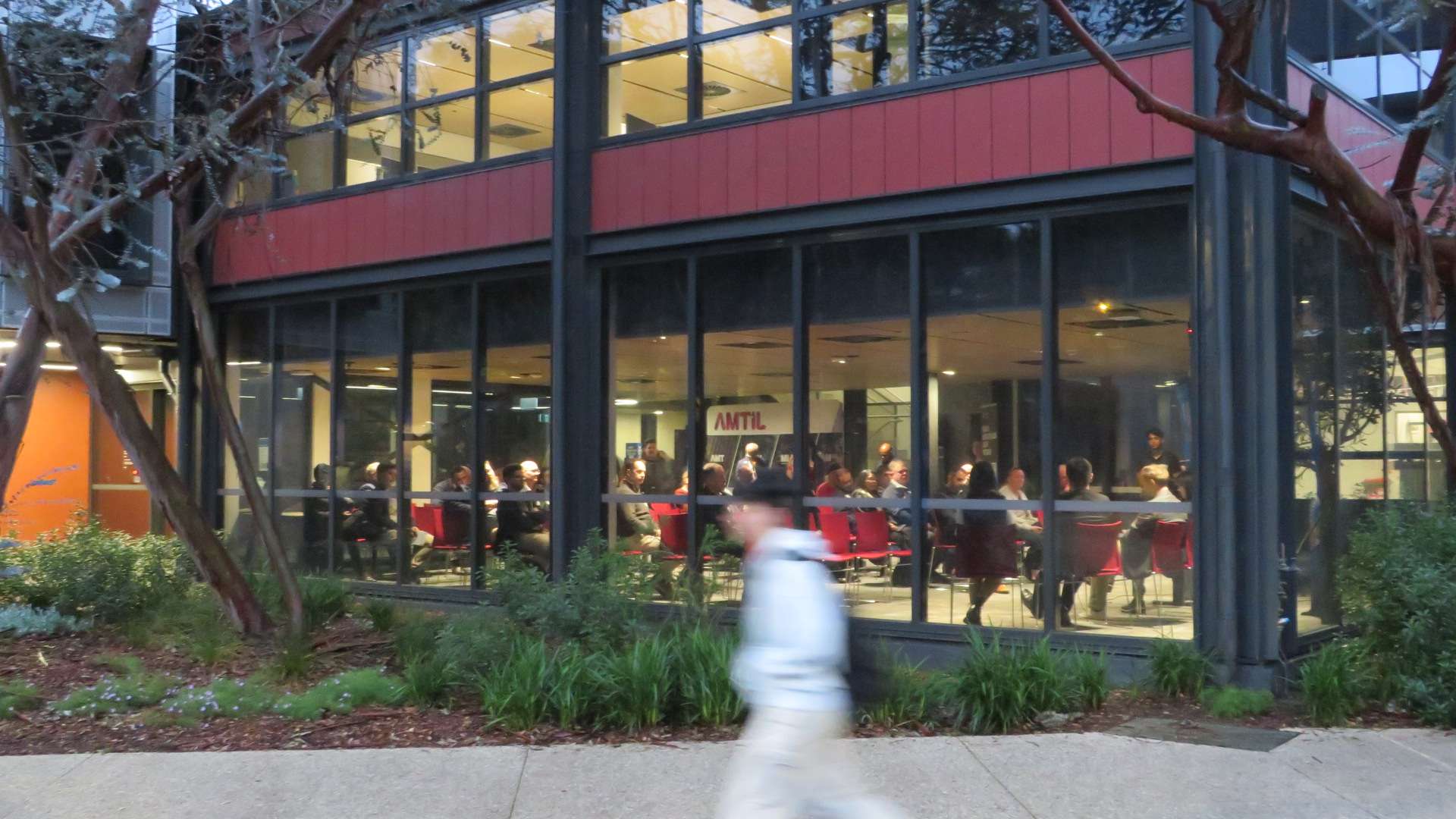
To bookend the tours, there was a panel on the critical theme of the evening, ‘AI in Manufacturing, ’ moderated by Monash’s Michelle Willis, with Dr Yunlong Tang from Monash University, Dr Juxi Leitner of LYRO Robotics and Dr Ziejue Chen from CSIRO. Up for discussion were the current developments in AI that are most impactful to the Australian manufacturing sector.
Dr Ziejue Chen from CSIRO addressed the security concerns about the data being collected for the AI engine. “The collection can be from just one camera and collected on just one PC, which doesn’t have to be connected to the internet,” she described. “The data is the most important, and you don’t always have to push it to the Cloud.”
Dr Chen continued: “AI in manufacturing is considered quite different from pure computer science. Each project has various products to follow, and unique sensors are tracked to varying speeds in many situations,” she said, “and the AI algorithm should be seen as just a tool.”
In many Australian companies, the final inspection of a high number of tools being manufactured is a crucial step that must be completed on time. But the human eye and brain can become tired and miss blemishes. An audience member asked how an AI system can check 100,000 tools to ensure inspection is entirely correct at the end of their manufacturing process. Once again, Dr Ziejue Chen had the answer. She said that Deep Learning is the application field of Computer Vision, and this scenario would be the perfect case with a fairly simple answer. Bringing computer vision (i.e., a camera) into this process saves all the angles from which a human would check the tools. The job would involve saving the best visuals of the tool from each angle.
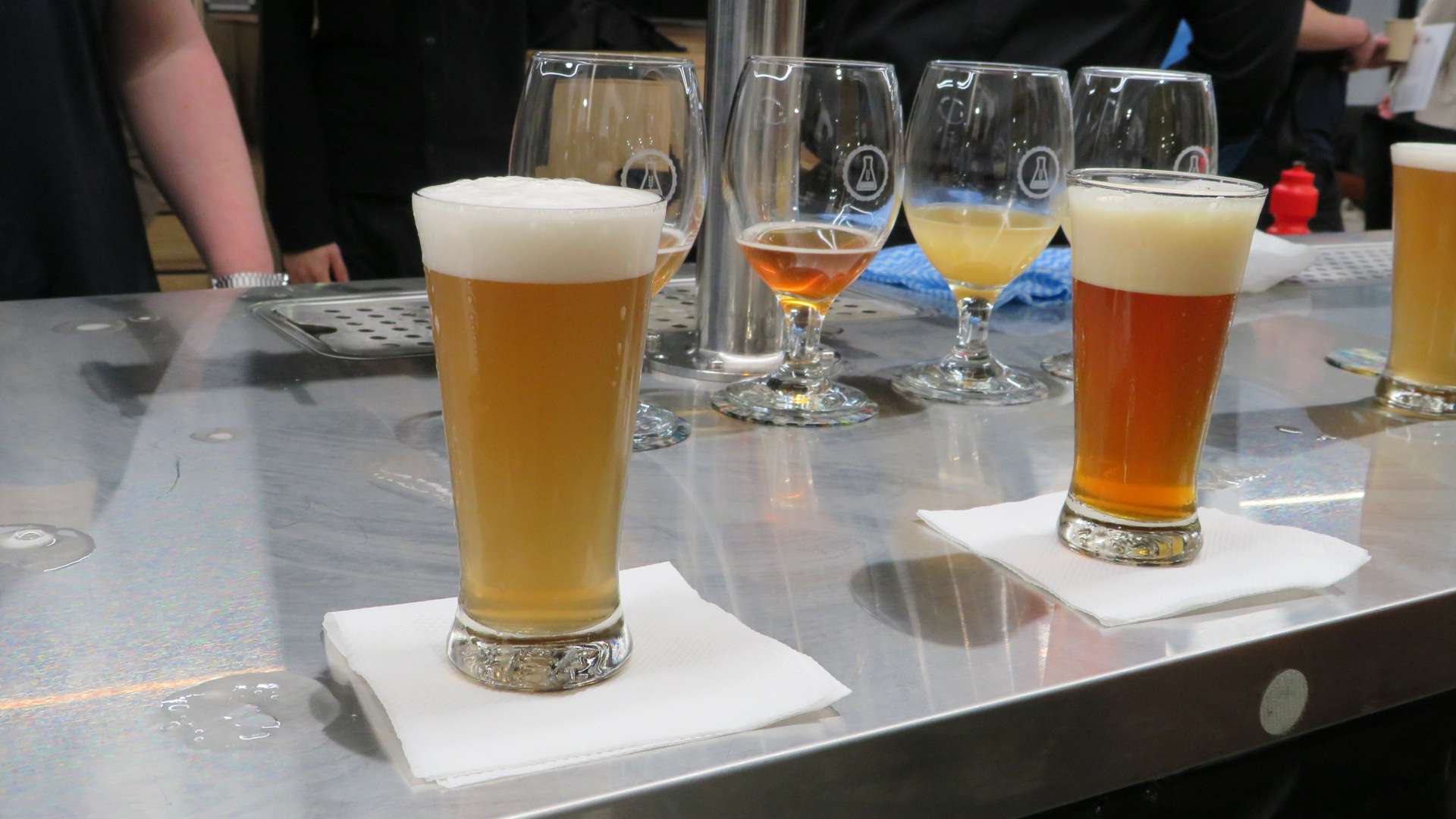
At the end of the tour, the panel, and the vibrant Q&A session, attendees had the chance to enjoy refreshments from not only the Secret Garden Eatery but also Monash’s own BrewLab, where samples of craft beers were available.