



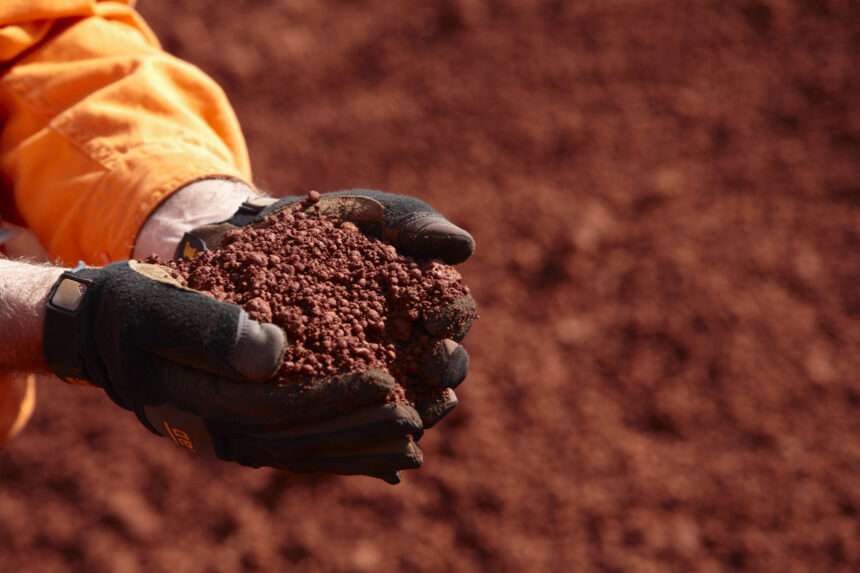
The federal government has revealed a $2bn production credit for the aluminium smelting sector
The Australian Aluminium Council has welcomed the Australian Government’s announcement of a production credit for the aluminium smelting sector as part of its Future Made in Australia plan. This marks a globally significant step towards securing the future of Australia’s aluminium industry and strengthening Australia’s role as a leader in the energy transition.
“Until now, we have seen many other countries take decisive action to support their domestic manufacturing industries while Australia has been less proactive in comparison,” the Council’s CEO, Marghanita Johnson, said. “Competitive energy is the critical foundation that enables Australian businesses to compete internationally. [This] announcement is an important step in support of the industry’s transition to the competitive, reliable, lower-carbon energy needed for the aluminium industry to secure a sustainable future.”
The Climate Council, the Australian Conservation Foundation and the Australian Workers Union also endorsed the move. AWU National Secretary Paul Farrow said the announcement showed the government understood the magnitude of the industry’s potential. “Abundant renewable energy, access to raw materials, and skilled workers – Australia has every advantage necessary to become a leading global green manufacturing powerhouse,” Farrow said. “The only reason there is any doubt about the sunny future of Australian manufacturing in the community is because Coalition Governments have been telling us repeatedly we can’t do it. But we absolutely can.”
Aluminium is essential to every aspect of modern life, from home window frames to food packaging, smartphones, and vehicles. It is also vital for defence applications such as military aircraft, armoured vehicles, and naval vessels, highlighting the necessity of maintaining a strong domestic supply of the metal from mine to market.
“Labor’s plan for a Future Made in Australia is very clear: we want Australia to make more things here,” said Prime Minister Anthony Albanese. “Investing in the Australian-made aluminium industry is a massive opportunity – to create well-paid jobs in our regions and suburbs, and set Australia up for the future.”
With world-class solar and wind energy, abundant critical minerals, and a skilled workforce, the nation is well-placed to thrive in a decarbonising global economy.
Many Australians may not realise that aluminium also plays a critical role in renewable energy technologies, including solar panels, electric vehicles, and batteries. With global demand for aluminium projected to double by 2050, primarily driven by the energy transition, Australia must act decisively to capitalise on its bauxite reserves, alumina refining capacity, and aluminium smelting potential.
“The natural advantages of our mineral reserves, renewable energy resources, and highly skilled workforce can give us a competitive edge, but only if supported by the right policy frameworks over the right timeframe,” Johnson said. “The announcement of $2bn in production credits for the sector represents a substantial step forward in the journey for Australia to position itself as a leader in the global aluminium market.”
Australia’s aluminium industry has long faced challenges, including rising energy, labour, and capital costs, in parallel with protracted regulatory processes. The Australian Aluminium Council has consistently called for production credits for the aluminium sector to attract private capital and ensure the aluminium industry remains globally competitive. These new aluminium production credits should provide the some of the transitional support needed as Australia’s energy infrastructure and systems develop, and energy pricing returns to competitive levels.
The announcement lays the groundwork for:
- Access to reliable, lower-carbon energy at competitive prices;
- Support for capital investment in decarbonisation technologies; and
- Predictable and streamlined regulatory approvals are needed to support this implementation across the aluminium value chain.
“Australia is one of the few countries globally with the full aluminium value chain—bauxite mining, alumina refining, aluminium smelting, and extrusion—all undertaken domestically,” Johnson said. “This policy supports not just resource extraction but also the transformation of those resources into high-value finished products, creating more than 75,000 direct and indirect jobs, predominantly in regional Australia.”
Johnson emphasised the industry’s history of innovation and resilience, adapting to market changes since its inception in 1955. “With the right industry and energy policy framework, the aluminium sector can continue to play a pivotal role in Australia’s economy and industrial landscape,” she said.
This policy represents a step towards securing a sustainable, innovative, and successful future for Australia’s aluminium industry for generations to come.