Versatile and mobile, the new Schaeffler MFT induction heaters enhance safety by eliminating open flames during bearing mounting and dismounting in the industry
A versatile new family of safety and efficiency-focused medium frequency induction heaters is being introduced to Australasia by the global motion technology company Schaeffler, providing shorter heating times and reducing bearing mounting and dismounting times by half.
The new generation medium frequency technology (MFT) heaters enhance safety during bearing mounting and dismounting by eliminating the need for traditional heating methods that involve open flames, such as gas burners or oil baths, ensuring more controlled and stress-free heating of machinery components.
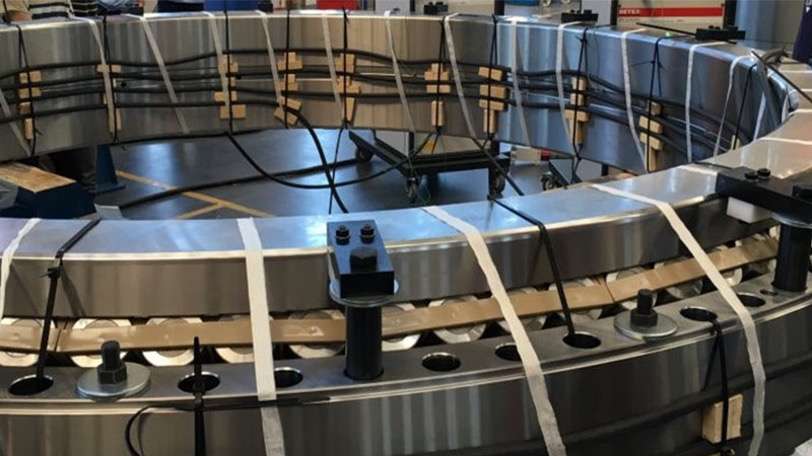
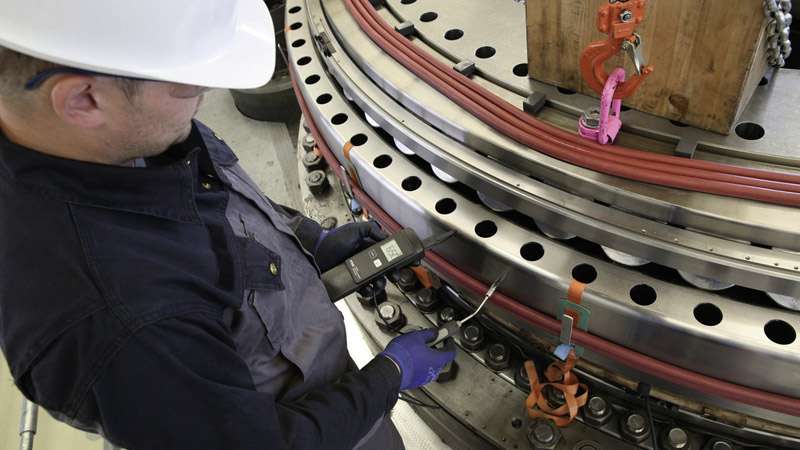
Crucially, unlike conventional heaters suitable only for mounting, MFT heaters offer a large thermal capacity and flexible installation methods that enable safe and efficient bearing dismounting. This minimises the risk of damage to both the bearing and the shaft, thereby allowing for quick dismantling and rebuilding times.
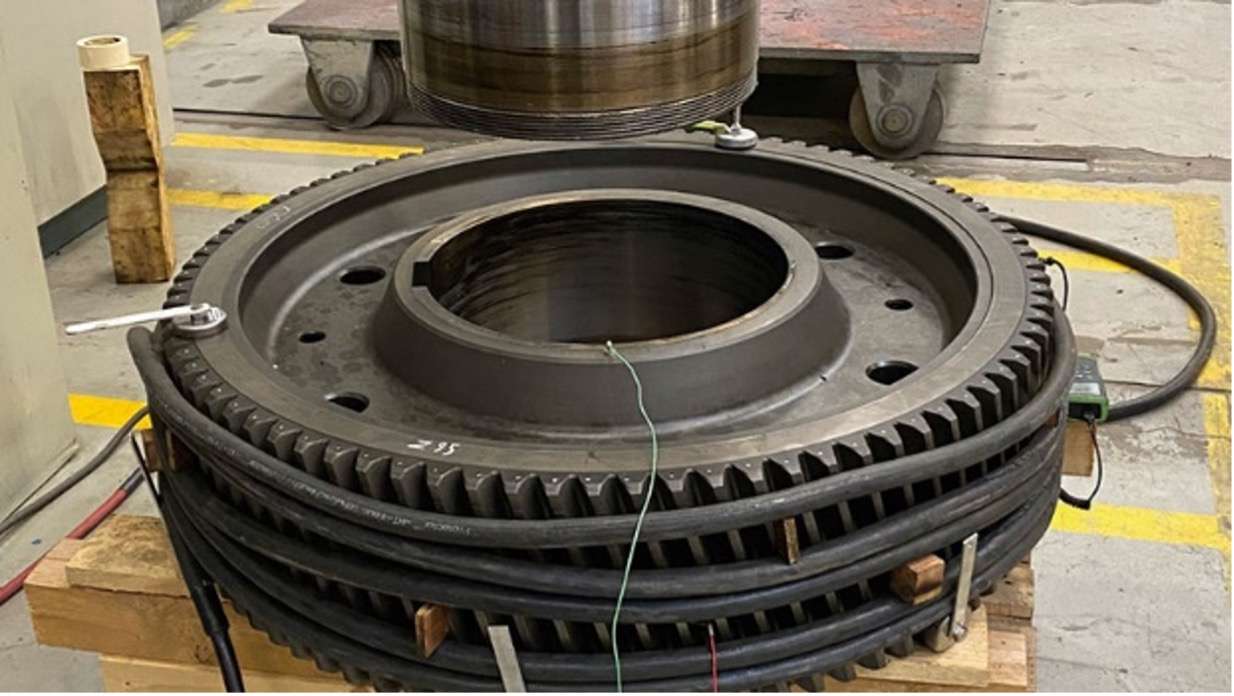
The productivity gains of the energy-conserving MFT heaters – including nine models ranging from 1.2kW to 45kW – dramatically reduce maintenance costs, even for heavy workpieces such as gear wheels, gear drives, bearings, and couplings.
The ‘HEATER’ series of induction heating devices is utilised for fast, controlled, and gentle heating of complete rolling bearings, inner rings of roller bearings, and other rotary machine components that must be fixed onto a shaft and thermally expanded before assembly.
The new tools are part of Schaeffler’s Lifetime Solutions suite, providing a comprehensive machine lifecycle management approach. This suite integrates monitoring, analysis, and maintenance support into a cohesive package, addressing various industrial maintenance needs while focusing on making motion more efficient, intelligent, and sustainable across industries such as mining and energy, quarrying and cement, manufacturing (including food and beverage processing), materials handling, pulp, paper, sugar, and primary production.
MFT heaters address significant challenges related to the mounting and dismounting of large bearings and workpieces in an energy-efficient manner, utilising controlled, stress-free heating that prevents damage and extends the lifespan of bearings and other machine elements.
Uptime benefits
Schaeffler’s MFT technology’s compact and lightweight design—which takes the tool to the job rather than vice versa—makes the units more mobile and easier to use in various locations and applications, even in difficult-to-access areas, says Schaeffler Australia, which distributes the tools in Australia and New Zealand, where it provides in-house technical backup to optimise benefits.
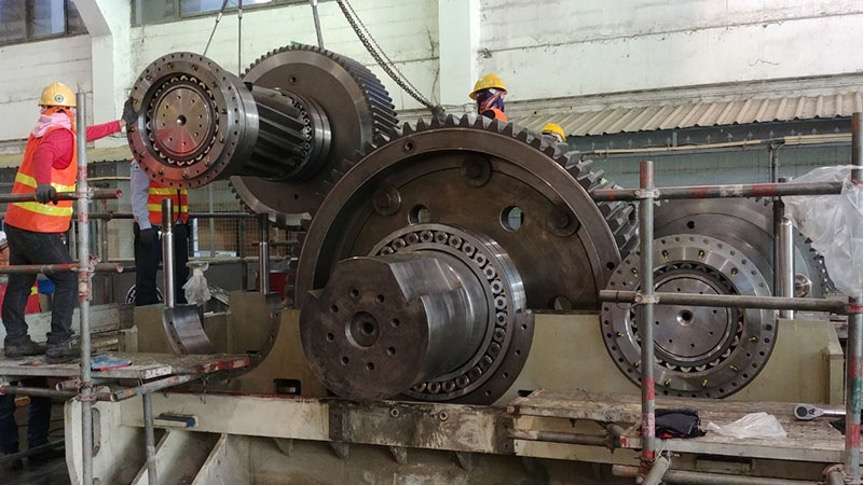
“The time, labour and safety benefits are substantial. For example, removal and installation of components in a large raw material mill gearbox, with several shafts, gear sets and large bearings, can take up to 30 days, due to the complexity of the job, if conventional methods are used for such maintenance work.
“MFT induction systems not only simplify this type of maintenance work, but also cut time-consuming installation and removal in half, protecting the workpieces and ensuring greater safety for man and machine.”
MFT heaters are known for their high efficiency, leading to lower energy consumption. The units offer intuitive control through a seven-inch touch panel and offer a wide range of options for safe and complex heating processes.
Advantages of the new induction heaters with MFT include:
More opportunities – Mounting and dismounting a wide range of bearings and also for large work pieces
- More flexibility – Through the use of flexible and fixed inductors
- More individuality – Broad range giving the best solution for each application
- More efficiency – Through lower costs and higher productivity
- More sustainability – Through energy efficiency
- More mobility – The MF-GENERATOR comes to the workpiece, not the other way round
- More safety – For both man and machine. MFT eliminates the need for open flames, allows precise temperature control, prevents overheating and potential damage, ensuring a safe and controlled heating process.