



February 21, 2025
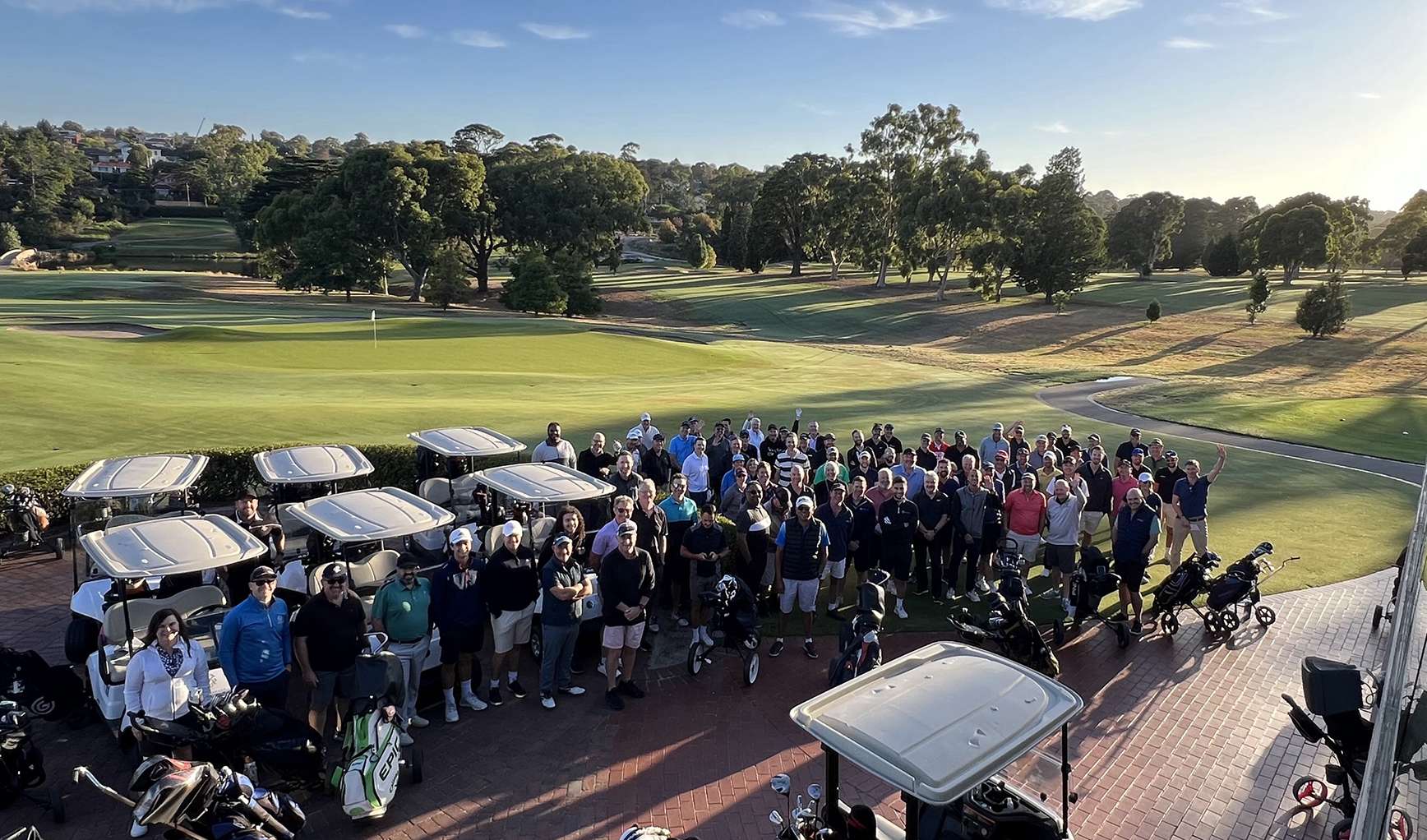
With a sparkling morning presented for the 2025 AMTIL Golf tournament, about 120 eager participants demonstrated their sportsmanship on the stunning grounds at Riversdale Golf Course, in Mt Waverley. The playing teams were mixed well and came up with some great final scores. After a competitive morning on the course, all teams gathered at the clubhouse for a delicious lunch and drinks, mingling with fellow members and guest attendees. The day wrapped up with an awards ceremony celebrating those who stood out for their exceptional performance. Of course, everyone would like to thank the sponsors for the AMTIL Golf Day, as this would not be possible without the contributions brought together to make this a success. The sponsors this year are: Fusion5, AirLiquide, Gel Events, Shishan Stanley Group, and BusinessHub. There were also BRM Patent Attorneys, Harry the Hirer and Dimac Tools. For the first time this year, a charity was also attached to the AMTIL Golf Day. Wheelchairs For Kids is a program where people can donate…
February 21, 2025
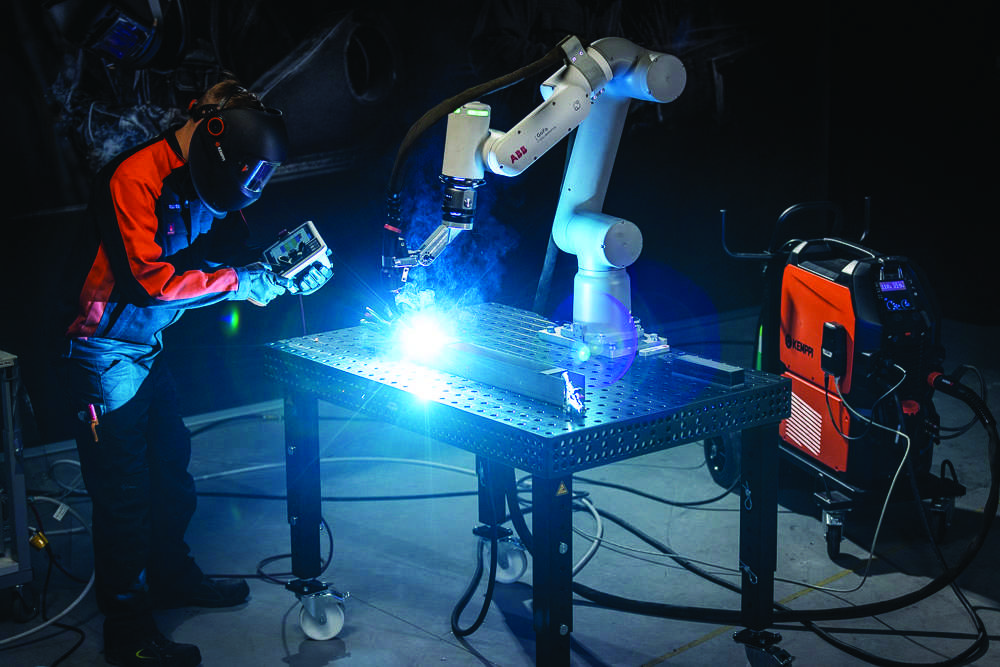
Cobot welding is a game-changer for the manufacturing industry. A flexible solution that can be tailored to the needs of individual firms, it delivers numerous benefits, including increased productivity, quality control, cost efficiency, scalability, real-time monitoring, and an enhanced working environment. Cobot welders automate the welding process and work alongside humans to perform welding tasks. Cobot welders can help boost production output by working continuously with minimal maintenance and without the need for breaks. They can handle repetitive tasks quickly and more intricate work efficiently, improving productivity. Plus, requiring minimal oversight and monitoring, they can free up workers to focus on more complex or higher-value tasks. “Cobots have the capability to run 24/7 and to also work in automated cycles,” says Stuart Orr, Sales Director, Kemppi Australia. “As a result, they can enhance manufacturing processes and deliver significant productivity benefits.” Consistent welding quality Cobot welding systems also precisely control welding parameters such as temperature, pressure, and so on. This results in more uniform welds while minimising the potential for variation in quality. Kemppi, a leading global welding manufacturer, has an…

February 19, 2025
The Briscoe Group’s 25,000sqm distribution centre is set to open in early 2026. Investing at least NZ$100m in the facility will significantly enhance Briscoe Group’s supply chain capabilities and efficiency. Situated in Drury South, Auckland, this new centre will replace the current 8,000sqm facility, increasing storage capacity by more than four times and accommodating KNAPP’s state-of-the-art automated shuttle system. The automation contract significantly advances the Briscoe Group’s supply chain evolution. KNAPP’s advanced systems, including the Automated Storage and Retrieval System (ASRS) Evo Shuttle and Pick-it-Easy Evo goods-to-person stations, will optimise storage and picking for smaller products like apparel and footwear, enhancing efficiency across the board. “This partnership with KNAPP enables us to enhance stock accuracy and expedite fulfilment, creating an improved customer experience while optimising in-store inventory,” said Briscoe Group Supply Chain General Manager Darren Porteous. The automation will bolster the on-shelf availability of products in Briscoe Group’s stores, allowing the Group to restock high-demand items as often as daily, thereby enhancing both operational efficiency and customer satisfaction. Various online orders will also be fulfilled from the DC using automation, minimising the…

February 18, 2025
Westlab has a strong focus on modular, scalable, and technically advanced systems, maintaining a long-standing relationship with Capral, Australia's largest extruder and distributor of aluminium products. The company prides itself on responsibly sourcing locally extruded aluminium for its products, continually pushing the boundaries of design and functionality in everything it undertakes. Recent innovations from the Westlab team, such as the Modulab© Connect System, provide flexible and high-performance solutions for scientific, pharmaceutical, and educational applications. “We’re always looking to improve and standardise our systems globally,” said Russell Grace, Director at Westlab. “Our Modulab Connect System has customised all the profiles to facilitate adaptability, ensuring high performance and compliance with rigorous industry standards, including PC2 and PC3 certification for biocontainment laboratories.” Aluminium is one of the key materials used in the construction of Westlab’s laboratory and furniture products. It offers numerous advantages, such as strength, lightweight properties, high-quality finishes, and formability. This versatility enables the creation of custom fastening and construction systems. Capral extrudes a variety of custom aluminium profiles for Westlab, enhancing the efficient solutions…

February 17, 2025
In an opportunity to take the pulse of the industry and refine AMTIL’s strategic planning, AMTIL has conducted policy roundtables across Australia. We were delighted to have hosted ~15% of the C-suite AMTIL membership using the boardroom table format, and members provided valuable insight into their lived experience and brought forward their top issues for discussion. Five roundtables were conducted, one in Melbourne, Perth, Adelaide, Sydney and Brisbane, supported by William Buck. The top three issues—skills shortages, safety, and climate reporting—have been woven into the new AMTIL Strategic Plan 2024 – 2026 (The Plan). Based on this important information, AMTIL has set a new work plan for the New Year, which will include a few new offerings. AMTIL’s principle activities, to promote and support the manufacturing technology industry in Australia are to: provide industry resources, services and platforms, and proactively and reactively advocate to governments on policies relating to the manufacturing technology industry. While our vision and mission remain steadfast, The…

February 13, 2025
FPR Energy, a new venture from CSIRO, Australia’s national science agency, has secured $15m in seed funding to commercialise next-generation solar thermal technology to help reduce industrial emissions, accounting for 20% of Australia’s annual carbon footprint. The company was launched today with global advisory and funds management firm RFC Ambrian and utility leader Osaka Gas, raising the most extensive seed funding for a CSIRO co-founded venture. FPR Energy aims to cut emissions in heavy industries such as mineral refining, steel, cement, and chemical production using CSIRO’s particle-based Concentrated Solar Thermal (CST) technology, which can produce temperatures up to 1200 degrees Celsius—an industry-first. The technology uses abundant and low-cost ceramic particles to store sunlight as heat, enabling long-duration energy storage to support industrial processes, green fuel production and reliable, dispatchable power. CSIRO Energy Technologies Research Director Dr. Daniel Roberts said FPR Energy is a significant step in meeting the growing demand for renewable solutions in hard-to-abate heavy industries. “FPR Energy is building on years of solar thermal research, demonstrating CSIRO’s commitment to supporting emissions reduction using impact-focussed science and…
February 10, 2025
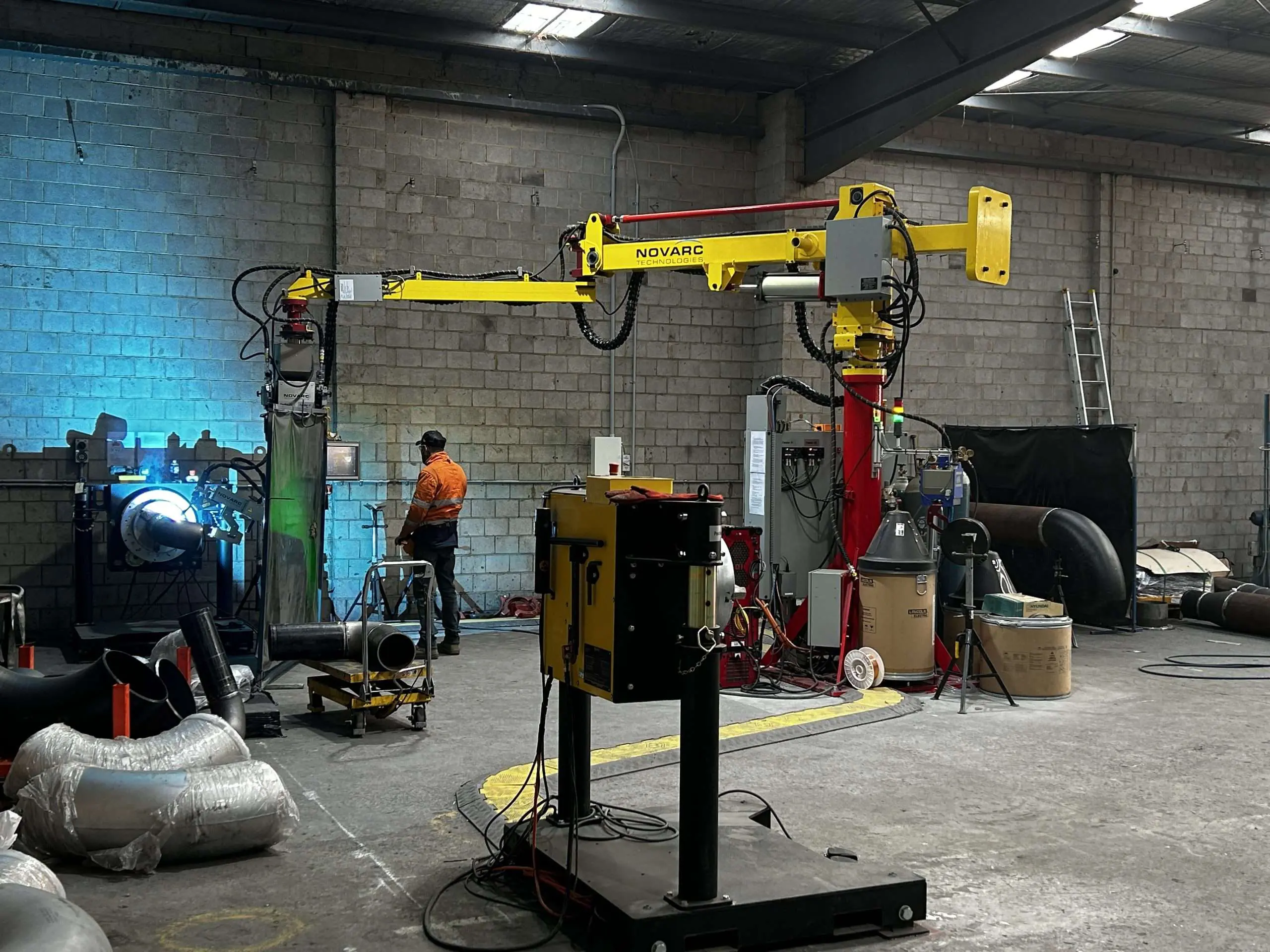
Established in Mordialloc, Victoria, Lepol Metal has been a cornerstone supplier for the construction industry for over 45 years. Lepol specialises in offsite steel manufacturing, metal work, piping systems, stainless services, prefabrication, and on-site support for the mechanical services industry. Their commitment to delivering efficient, cost-effective, and high-quality customised solutions has streamlined construction processes across various commercial, industrial, and critical infrastructure sectors. Navigating operational challenges But given the pace of their growth, the difficulties of expanding a skilled workforce, and the industry's ever-increasing demands for more consistent, high-quality welds within shorter time frames, Lepol began a search for an innovative solution that would satisfy these market demands while operating within a limited physical footprint. Enhancing Lepol’s mechanical service capabilities, particularly in pipe welding, required evaluating several options. Lepol Metal chose the Spool Welding Robot (SWR) from Novarc Technologies. Its compact design allowed for tremendous spatial flexibility. The SWR's ability to consistently deliver high-quality welds resulted in a sizable increase in welding efficiency. The SWR’s seamless integration into Lepol’s operations marked a transformative step towards heightened productivity and efficiency. Quantifiable results “Integrating Novarc’s…

January 31, 2025
Aeroplane pylons attach aircraft engines to the wings. Developing this critical component involves collaboration with specialists and industry partners, with Seco leading. Joe Gooding and Gary Meyers explain more. Pylons are not the most noticeable part of an aircraft. Hidden from view by covers, they are critical for structural integrity and, thus, safe and reliable aircraft operation. “There are one or two engines per wing, with up to four pylons to attach each engine,” explains Joe Gooding, a UK-based Seco Development Engineer, who supports customer projects with tooling and component machining strategy suggestions. “The pylon is made from titanium that’s often forged and then machined to the required dimensions and tolerances.” “The aircraft manufacturers use titanium for structural components. It is the best material and the safest option for those aircraft parts,” adds Joe’s colleague, Gary Meyers, Global Product Manager for Solid Milling, based in Sweden. “There are many applications involved in manufacturing a pylon,” he continues. “From face milling to copy milling strategies, indexable tools, solid carbide tools, drilling, reaming, and new barrel type machining developments for component finishing. The parts…
January 29, 2025
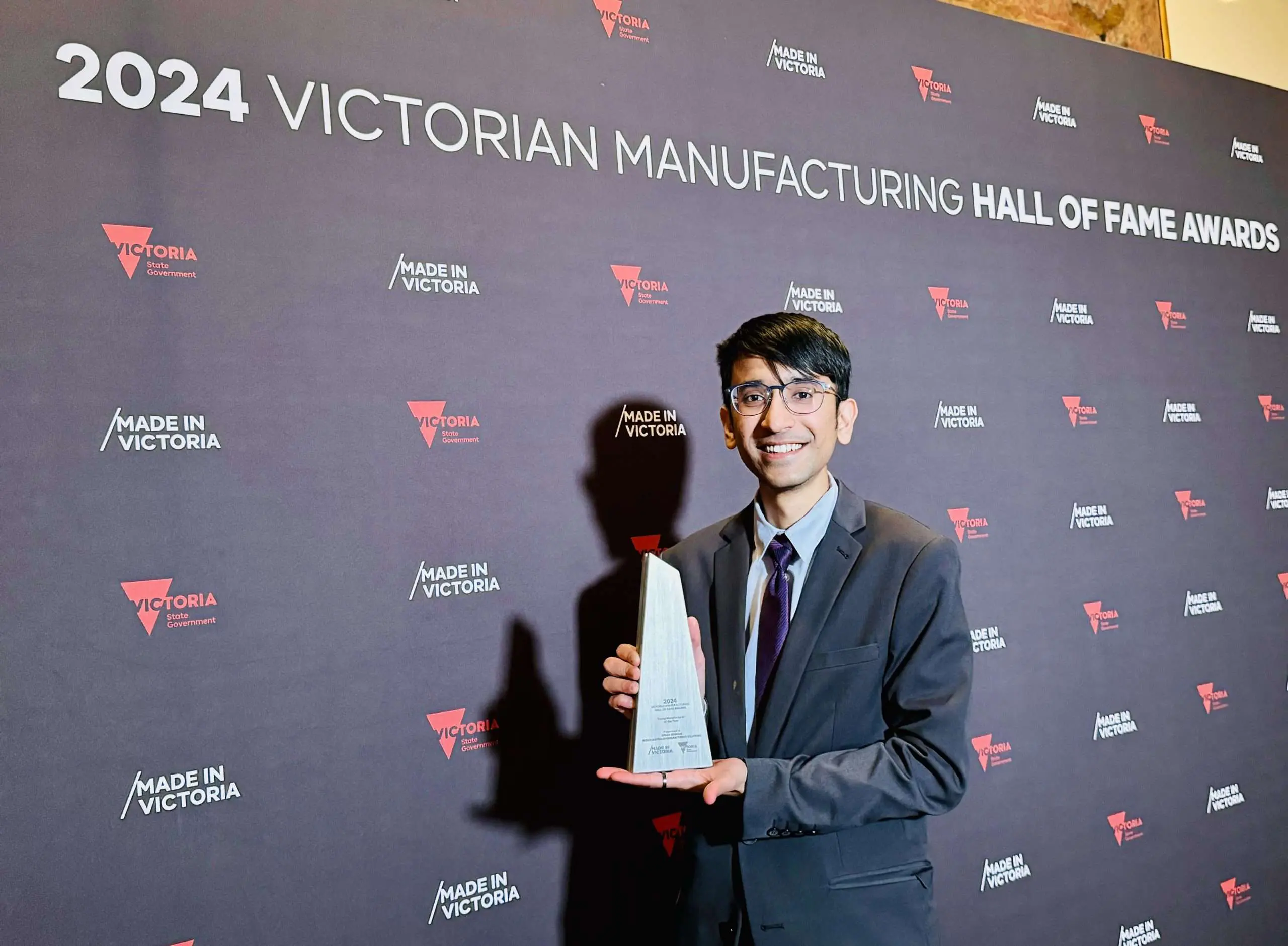
AMT: Thanks for your time, Afnan. Congratulations on the award. What was your initial reaction when your name was read out? Afnan Siddique: I was surprised, happy, and grateful. It was genuinely a lovely feeling. It was an honour to be recognised as the Young Manufacturer in 2024 in Victoria, which has a rich history in manufacturing. The other finalists' stories were astounding, so I didn’t expect to win the award. As I stepped onto the stage, I couldn’t help but think of my parents back in Bangladesh. When I started pursuing my Bachelor of Mechanical Engineering at Swinburne University here in Australia, they had their qualms, fearing AI would be a threat to my job prospects. The news of my award brought them to tears. I’m glad that I was able to show them that their hard work raising me and their sacrifices somehow paid off. Ultimately, Mum and Dad are my biggest catalyst and the reason I am where I am…

January 29, 2025
TNO has developed an Adaptive Secondary Mirror for NASA’s Infrared Telescope Facility (IRTF) in Hawaii. The IRTF is a 3m infrared telescope located at an altitude of around 4,200m at the summit of Mauna Kea on the island of Hawaii. Designed for maximum performance in the infrared portion of the spectrum, it takes advantage of the excellent visibility, minimal water vapour and low thermal background that characterise the atmosphere above Mauna Kea. The University of Hawaii and the University of California Santa Cruz realised the secondary mirror upgrade project. During the integration phase, a manufacturing error required TNO to immediately find a fastener solution so that the integration could proceed. “We realised that some of the holes in the supporting structure of the secondary mirror assembly had been machined to the wrong dimension,” explains Arjo Bos, Systems and Mechanical Lead Engineer at TNO. “We tried standard A4 screws but had immediate issues with galling. We needed a fast solution to overcome our galling issue with an extremely tight schedule and some dependencies with other projects.” Delivery and…

January 28, 2025
ANCA, an Australian leader in advanced manufacturing, proudly announces that its co-founders, Patrick Boland and Patrick McCluskey, have been awarded the Medal of the Order of Australia (OAM) in the 2025 Australia Day Honours List. Known as ‘The Two Pats,’ their visionary leadership has propelled ANCA to the forefront of global technology. They have demonstrated that advanced manufacturing can thrive in Australia and contribute to high-value products, international competitiveness, meaningful careers, and sovereign industrial capabilities. A lifetime of innovation and dedication Boland and McCluskey's dynamic partnership, combining academic expertise and practical ingenuity, has driven ANCA’s success for over 50 years. Their passion for innovation and engineering excellence has led to the development of world-first technologies that have revolutionised the cutting-tool industry. Notable innovations include groundbreaking in-machine measurement, which disrupted and shaped the market and set new standards in precision manufacturing. Success didn’t come overnight. Long before the internet era, ANCA brought its ambitious vision to life by targeting a niche global market, adopting robotics, and applying innovative solutions to the machine world. Today, ANCA continues to…
January 24, 2025
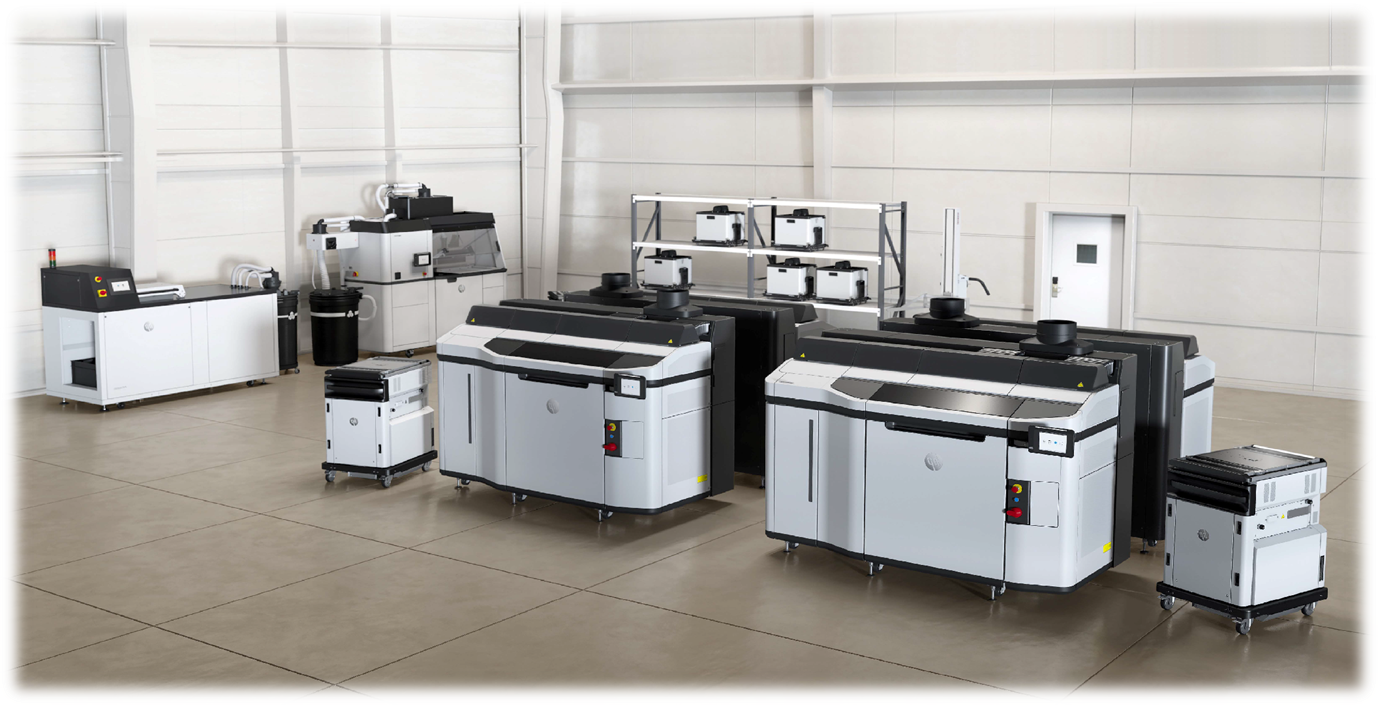
Drones are increasingly becoming indispensable in the aerospace and defence sectors, driving mission-critical operations ranging from surveillance to search-and-rescue. As the demand for more agile, adaptable, and high-performance drones grows, so does the challenge of designing and manufacturing components that meet these exacting requirements. While effective for simpler geometries, traditional manufacturing methods often struggle to meet the complex demands of modern drone systems, especially when it comes to lightweight yet durable designs. Additive manufacturing (AM) is transforming the industry, unlocking new possibilities in speed, design, and functionality for the next generation of drones. At EVOK3D, we enable our clients to overcome these challenges by leveraging Additive Manufacturing (AM). AM's flexibility allows clients to create intricate designs, such as internal cavities and lattice structures, achieving significant weight reduction without compromising strength. Additionally, the capability to rapidly prototype and iterate designs accelerates the product development process, reducing timelines from months to weeks. The role of HP MJF and nTop in drone design Design and prototyping are crucial in developing high-performance drones, where factors such as weight, strength, and functionality are critical. Traditional manufacturing methods…
January 23, 2025
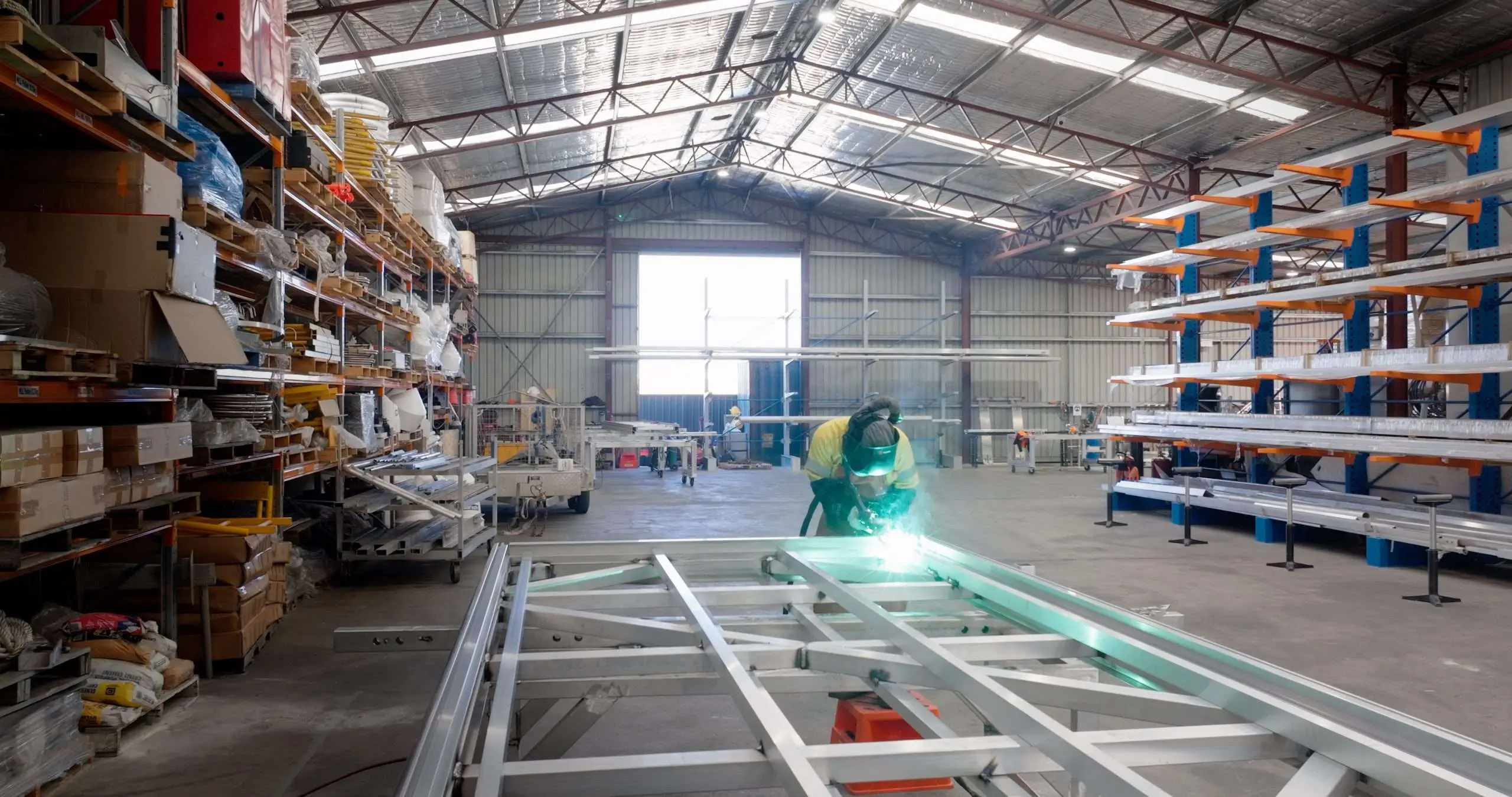
West Australian manufacturer Ciltech has rapidly emerged as a leader in designing and manufacturing jetties, pontoons, and other marine infrastructure. With a steadfast commitment to excellence, the company's dedication to high-quality materials and advanced engineering techniques distinguishes it in a competitive market. Ciltech takes great pride in its Western Australian roots, consistently delivering innovative products that set new benchmarks in the industry. Managing Director Mason Cilia reflects on the business's growth and ongoing development: "Ciltech started as a small, family-run business in Western Australia. Over the years, we've grown into a key player in the marine infrastructure industry. A commitment to quality and innovation has driven our journey." Ciltech's proprietary aluminium extrusions are at the core of its success and form the foundation of its cutting-edge jetty systems. Remarkably, 98% of their pontoons are constructed using proprietary aluminium extrusions developed in collaboration with Capral. These extrusions are meticulously designed to accommodate various structural and functional elements, ensuring that each system meets the specific needs of its environment. From supporting decking weight to integrating mooring attachments and cleats, Ciltech's tailored extrusions provide versatile…