



September 1, 2025
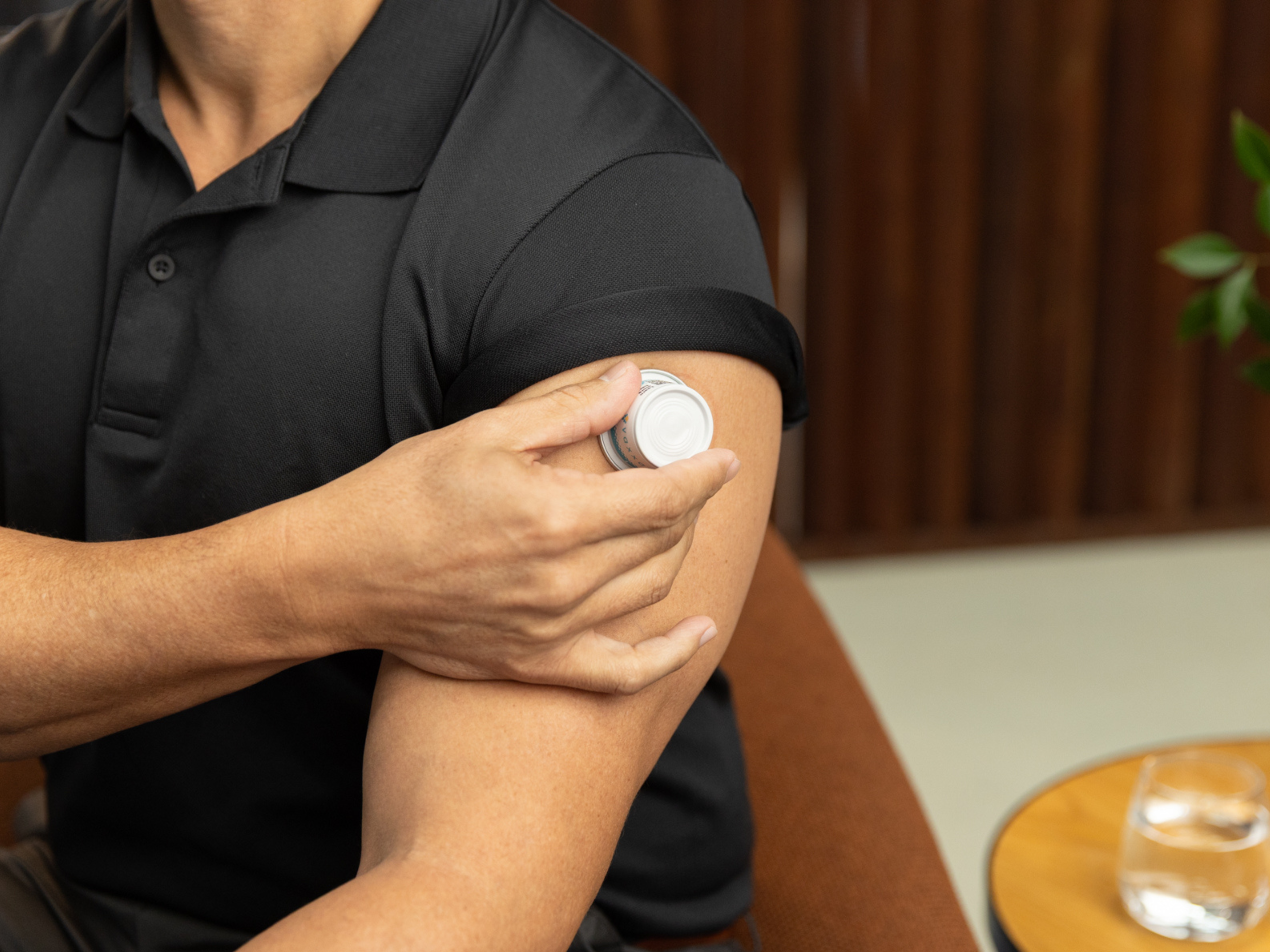
Australian biotechnology company Vaxxas has secured about $90 million in its latest funding round to progress work on its needle-free vaccine delivery technology. In Vaxxas’ words, it produces high-density microarray patches designed with thousands of microscopic projections, each ‘printed’ with a small dose of vaccine in a dried formulation. When applied, a patch delivers the vaccine to immune cells that naturally reside immediately below the surface of the skin – in a way Vaxxas says could be more stable at higher temperatures than liquid formulations, and which could potentially be self-administered at home. Vaxxas says it will use the funding, which includes $49.2 million in Series D Equity and another $40 million in debt facilities, to help make its patch technology market ready, including installation of semi-automated manufacturing lines and later-stage clinical trial programs. Company chair Sarah Meibusch, who replaced previous chair Paul Kelly following his retirement, says the capital raising was an excellent achievement in what was a “very difficult market for biotech”. “Coupled with our sharp focus on commercialisation, this funding provides Vaxxas with a runway…

June 12, 2025
The Australian-designed and manufactured Cochlear Nucleus Nexa System, is offering the world’s first hearing implant solution with upgradeable implant firmware, revolutionising how people with hearing loss can access future technology. Australians living with hearing loss are among the first in the world to access this technology. Conventional cochlear implants available today can only access future innovation by upgrading their sound processor. With the Nucleus Nexa System this limitation is removed. People with a Nucleus Nexa System can experience new features and advancements via updates to their smart implant's firmware and upgrades to their sound processor over time. Jan Janssen, Chief Technology Officer of Cochlear said the company had re-imagined the internal technology of the cochlear implant system. "The Nucleus Nexa System combines over 40 years of proven reliability from their trusted implants and technology leadership with a new cutting-edge chipset packed with innovative features,” he said. “With onboard diagnostics that monitor system performance to ensure optimal hearing, it reduces the burden on users and carers, setting a new standard in implantable hearing technology.…
December 3, 2024
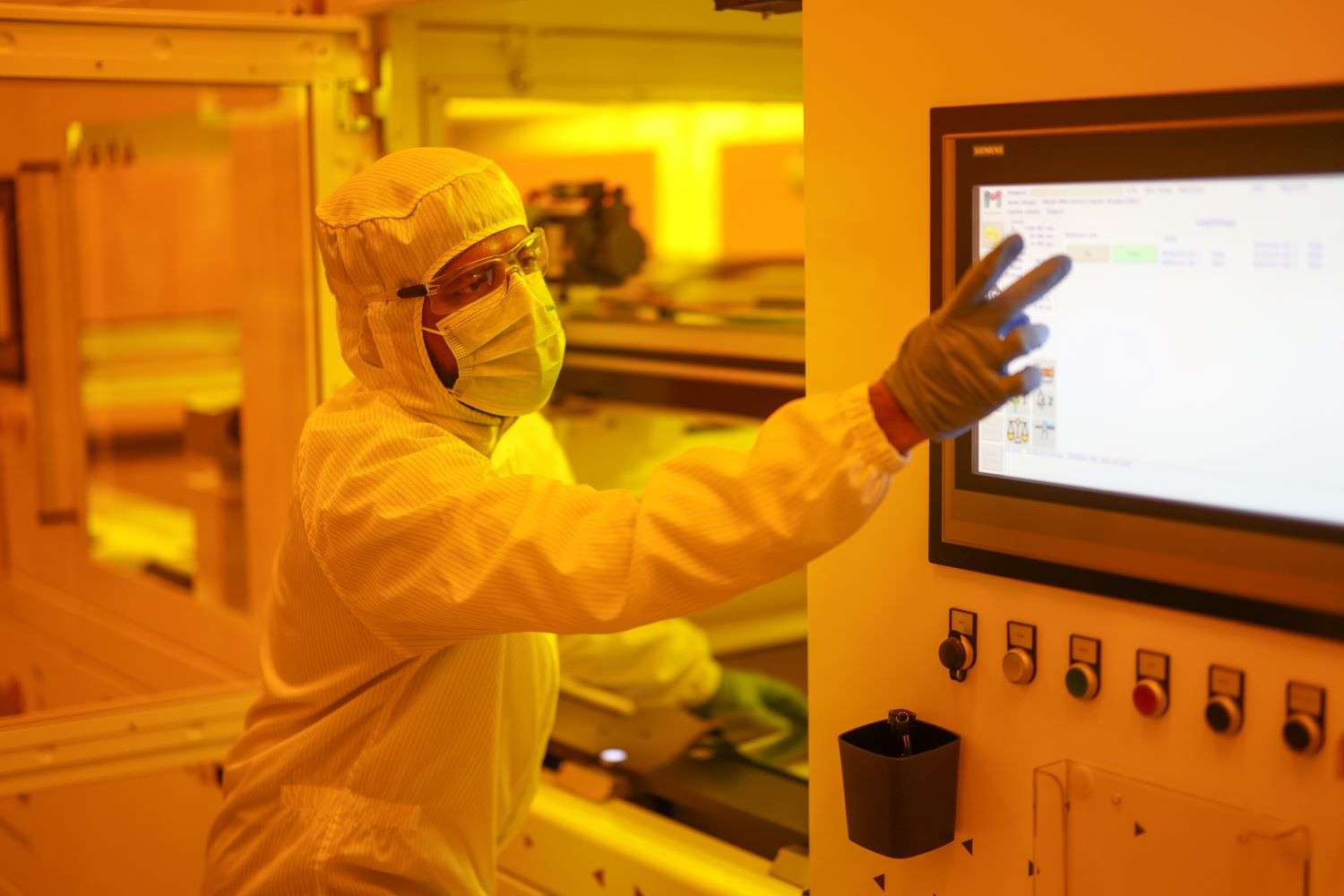
Brisbane health-tech company WearOptimo has unveiled the initial $7m phase of its Advanced Manufacturing Facility (AMF), paving the way towards releasing its first Microwearable sensor. Custom-built in Brisbane, the AMF is the first facility in the southern hemisphere, pioneering the use of Nanoimprint Lithography (NIL) for health-tech. Its unveiling marks a major milestone along the company’s journey to having its first product – a hydration Microwearable sensor – on shelves, opening up global markets with a potential value of more than $5bn. “WearOptimo’s vision is to create global healthcare solutions that are accessible and affordable, and this new manufacturing capacity is central to that ambition,” said founder and CEO Professor Mark Kendall. “The AMF’s use of NIL will allow us to rapidly advance our Microwearable technology towards the release of on-the-shelf sensors that are scalable for widespread deployment, at a low cost per unit. “When operating at full capacity it will allow production of up to 30 million sensors annually, which will be used by everyone from elite athletes to aged-care residents and in industries ranging from the military to resources.” It’s also…

November 14, 2024
A new $60m Biosustainability Hub at The University of Queensland will use synthetic biology to help the world’s biggest businesses transition to net zero. Funded by government, industry, and UQ, the Biosustainability Hub aims to be a one-stop shop for big companies to transform their production practices and create carbon-neutral, economically viable products and materials. Hub director Professor Esteban Marcellin from UQ’s Australian Institute for Bioengineering and Nanotechnology said the facility is the first in Australia and co-locates research groups and industries that share a vision to transition society to net zero. Professor Marcellin is a synthetic biologist who uses carbon monoxide, CO2 and methane to feed microbes in biomanufacturing to produce products. “The Hub brings together cutting-edge research projects and some of the world’s biggest companies to find solutions to challenges like climate change, biodiversity, mining sustainability and future food production,” Professor Marcellin said. “We will be using the process of synthetic biology, which develops new materials, fuels, foods, chemicals, or medicines from waste using biological processes. “By changing production practices from those dependent on fossil fuels to biomanufacturing, we are…