




May 27, 2026
The Western Australian Government has today announced plans for a proposed large-scale defence manufacturing hub aimed at strengthening sovereign industrial capability and attracting international investment. The announcement was made today at IODS 2026 by Premier Roger Cook with Minister for Defence Industries Paul Papalia and Manufacturing Minister Amber-Jade Sanderson, and outlined the Government’s call for industry participation in shaping the proposed precinct. Expressions of interest (EOI) are now open to local, national and international companies to help shape the proposed hub, which would focus on advanced defence manufacturing and supporting technologies. Areas identified as part of the opportunity include aerospace, autonomous systems, advanced materials, precision manufacturing, energetics and space technologies. AMTIL strongly supports this initiative as it aligns with our commitment to championing advanced manufacturing growth, fostering industry collaboration, and ensuring Australian manufacturers remain globally competitive. The Western Australian Government said the initiative was intended to support Australia’s sovereign defence capability while contributing to allied supply chains and growing global demand for advanced defence manufacturing. “This is a call out to our…
February 20, 2026
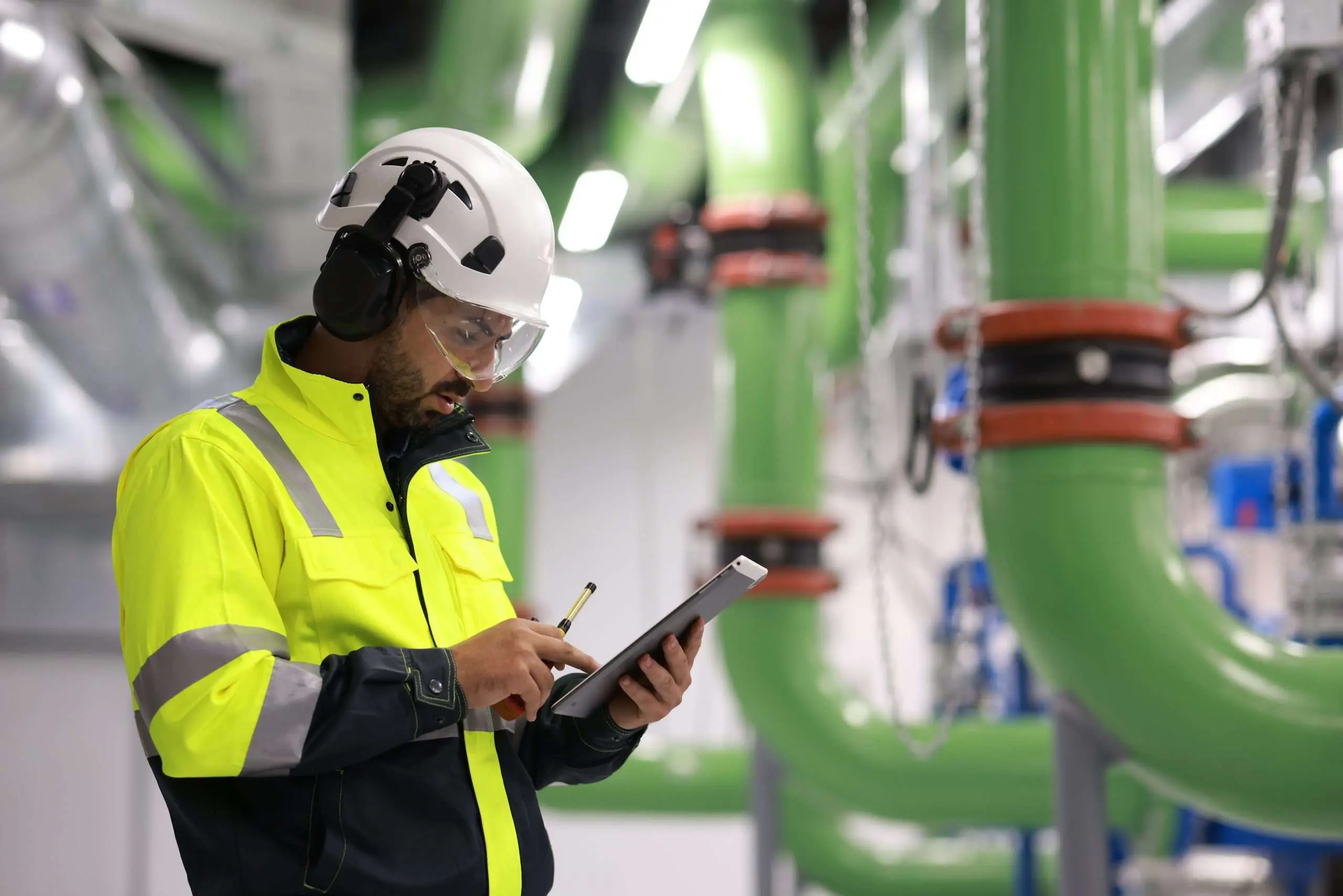
**This story originally appeared in the October 2025 edition of AMT Magazine** Imagine this scenario: Your team installs a new collaborative robot application on the production line to automate what was once a manual task and introduce collaborative interaction with workers. Because the system does not rely on physical distance barriers such as perimeter guarding, it promises flexibility, space savings and productivity gains. The robot has been designed to operate under a power and force limiting (PFL) safety function, but no risk assessment was carried out to identify the contact scenarios, nor has validation been performed using a pressure and/or force measuring device. As a result, when the robot moves into action, its force and power output exceed the biomechanical limits set out in ISO 10218-2:2025, putting operators at risk of injury. It’s a stark reminder that a thorough risk assessment might have flagged that hazard and prompted better safeguards. Risk assessments are a cornerstone of workplace…

January 19, 2026
**This story first appeared in the October 2025 edition of AMT Magazine** Industry 4.0 – the integration of digital technologies into all aspects of industry – has been well established for some time now. But now researchers are looking at ways of using robots with a much older, more unpredictable technology. The human being. At the heart of the human-centric approach of Industry 5.0 is collaborative robotics, or “cobotics” – which are designed to work safely alongside human workers, and currently for sale and working at sites across Australia. Australian Cobotics Centre (ACC) associate director for research training Glenda Caldwell says there’s “a big shift” for researchers to consider. “Industry 4.0 is very much about how industry develops and uses more advanced technologies in their processes,” Caldwell says. “So the focus of Industry 4.0 is the technology itself, whereas Industry 5.0 is looking at, well, what are the complex problems that we face… and how do we use those technologies in different industry sectors to address those problems?” “Now we understand we’ve got these technologies,…
June 11, 2025
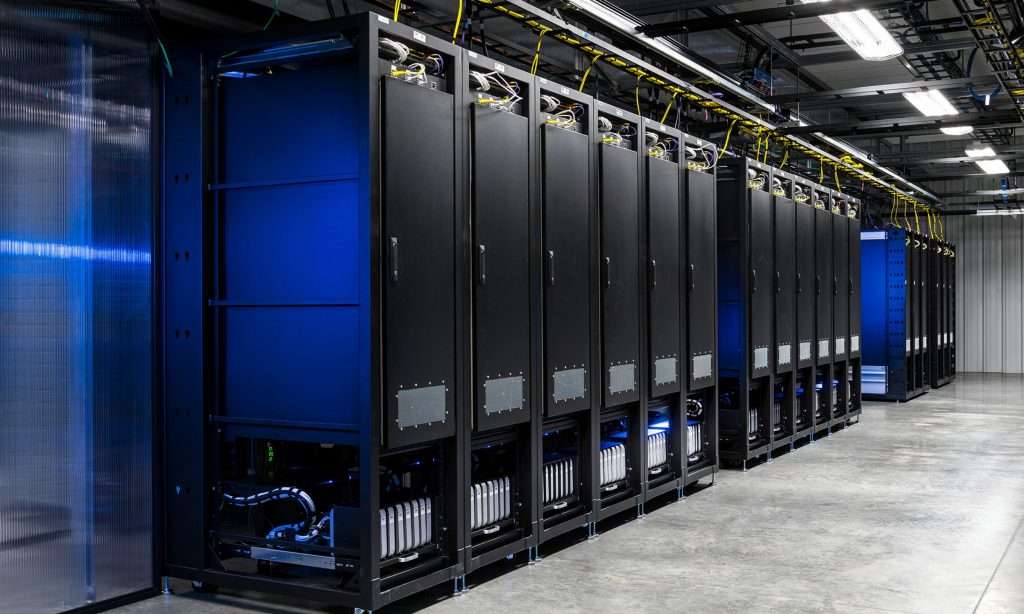
Zinc whiskers can pose significant problems if not addressed. Despite their innocuous name, they can cause considerable disruption in data centres. While monitoring temperature and having an effective layout can mitigate risks, it’s crucial to remain vigilant about this concealed threat. Zinc whiskers are tiny filaments that form on steel surfaces electroplated with zinc. Zinc protects against corrosion, but the molecular stress from the electroplating process causes it to expand and crystallise to relieve the pressure. They start at only a few microns but can grow to several millimetres. It’s important to note that various surfaces develop whiskers at different rates and densities. Zinc whisker growth is unpredictable, but it is believed to be influenced by the conditions during the electroplating process itself. The tiny shards can lead to catastrophic consequences for data centres. They can remain undisturbed for years on floor tiles and other structural supports. While they are more prevalent in older data centres that used electroplated zinc, they can form on this material anywhere, regardless of environmental conditions. Hazards Unchecked zinc whiskers can lead to everything…

May 2, 2025
Marine Air Flow International is an innovative Australian manufacturer with expertise in designing and manufacturing engine ventilation equipment. The company has built a reputation as a niche player in a highly specialised sector. Focusing on creating filtration systems that separate salt mist particles from the air and provide clean air into engine rooms, the company plays a crucial role in marine engineering. It designs solutions for new builds, retrofits, and rebuilds, serving clients worldwide. Nearly 50% of its business is exported globally. Many of the components within their carefully engineered and high-performance solutions are manufactured from aluminium supplied by Capral. “We’ve had a longstanding relationship with Capral,” said Blake Highland, Production Manager for Marine Air Flow International. “They provide several custom extrusions for us to use in our proprietary designs.” In 2022, Capral Introduced LocAl®, a low-carbon aluminium option. The primary aluminium used in Capral's LocAl® offer is produced using alternative energy sources, which significantly lowers the CO2 emissions associated with its production, at just 4kg CO2e/1kg Al*. LocAl Supergreen offers substantially lower embodied…
February 25, 2025
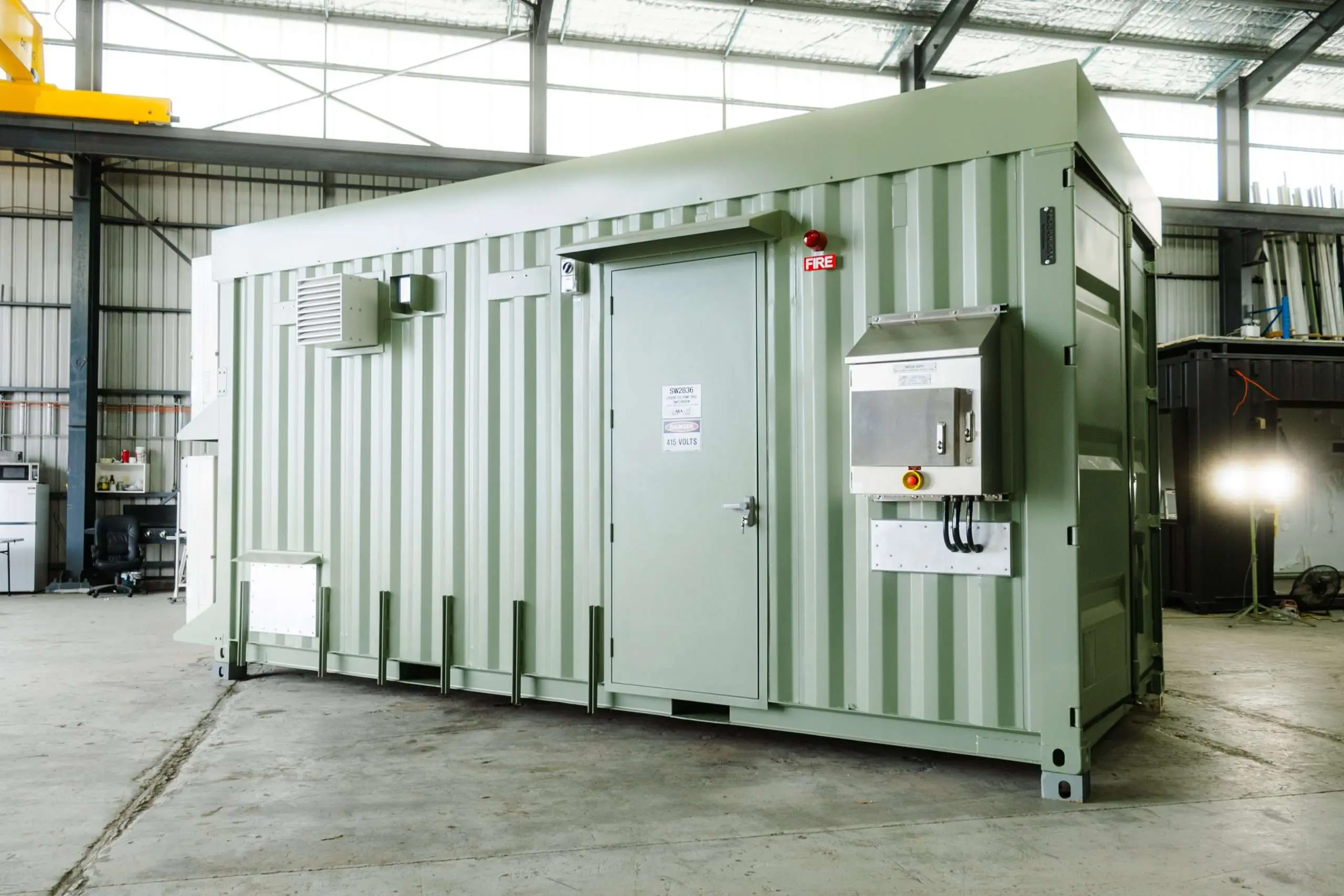
A leading Australian electrical company has found a solution that delivers Standards-compliant, safe, and portable switchrooms to sites for its major projects nationwide. The electrical project specialist worked with Modulate Group to create a fully sealed containerised switchroom that can easily be moved from site to site. The customised switchroom houses a motor control centre, variable-speed drive, distribution board, transformer, local control station, fire indication panel, and remote switching panel. Modulate manufactures customised containerised buildings at its 20,000sqm production facility in Mayfield, near Newcastle, NSW. Production and customisation to different needs are handled in-house. “Electrical switchrooms are some of the more complex containerised buildings we manufacture. We ensure they meet strict AS3000 Standards, other relevant safety Standards, and any client-specific requirements,” said Jack Adams, General Manager, Modulate. “The customer placed a high importance on safety and quality from the start, and they were clear with their requirements. Not only did they want to meet all relevant Standards, but they wanted to maximise internal space, which is an area where Modulate sets itself apart from other portable offices,” he added. The…

February 6, 2025
As fire safety technology evolves, new solutions are redefining security across domestic and industrial settings. The global fire protection system market is expected to expand by US$14.58bn between 2024 and 2028, with artificial intelligence (AI) significantly shaping these advancements. At Brooks, with our parent company EI, we continue to develop fire safety solutions with broad applications in every changing world. With a growing focus on integrating fire alarms with other essential safety and building management systems, future developments will likely prioritise enhanced user experience through greater personalisation and automation - creating systems that align seamlessly with daily routines and proactively address human needs. Over the last decade, AI and big data have transformed many aspects of life, bringing sophisticated innovations to the building and construction industry. AI applications in fire detection, risk assessment, and predictive fire analysis are on the rise, making fire safety technology more intuitive and seamlessly embedded in our lives. With advances like real-time fire detection systems, AI may soon allow us to predict and prevent fire…

January 10, 2025
Enforcing drug and alcohol policies in the manufacturing industry is a crucial task that requires a careful balance between safety and fairness. In environments where machinery operates and safety is paramount, stringent drug testing policies are common. Recent rulings have shown that enforcing these policies must consider the nuances of employee conduct outside work hours. Key Case: Sydney Trains v Goodsell [2024] FWCFB 401 (‘Goodsell’) A landmark case this year, the Goodsell case, provides valuable insights. In this case, an employee with a spotless 26-year record tested positive for cocaine during a random drug test. He was dismissed for breaching the company's "drug-free" policy, which mandated that employees must not use drugs at any time. While the Fair Work Commission (FWC) acknowledged that the company had a valid reason for dismissal, it also deemed the action unfair due to the employee's long service and otherwise clean history. Important Takeaway: Positive drug test vs. fair dismissal A positive drug test can justify dismissal, but it does not automatically ensure it is…
October 25, 2024
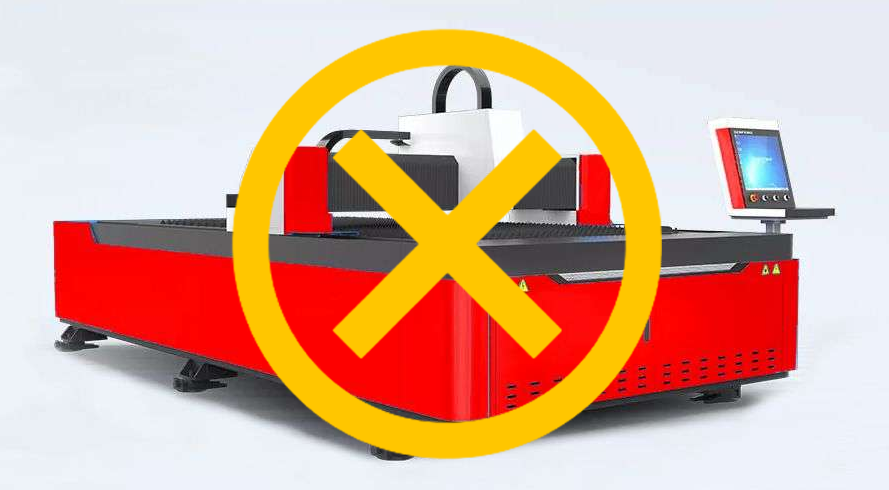
This article was first published in the AugSep2023 issue of AMT magazine. To keep the topic front of mind, we are republishing here to keep the conversation going. Advanced Robotic Technology (ART) is an Australian machine manufacturer and distributor concerned with machine safety. Director David White is most certainly not the only manufacturer with concerns. He says, “The huge volume of imported machinery coming into Australia with lack of adequate safety equipment and proper training and information is extremely concerning to us.” Fibre laser cutting machines have revolutionised manufacturing with their precise cutting capabilities. However, using open Fibre laser cutting machines can pose significant risks that are often overlooked. In this article, we will shed light on the dangers of 1070nm laser emissions on the retina and explore why people don't blink when exposed to this radiation. We will also discuss the importance of awareness among business owners in Australia and the personal and legal repercussions that may arise in case of injuries. Additionally, we will highlight the measures necessary to ensure…