



November 26, 2023
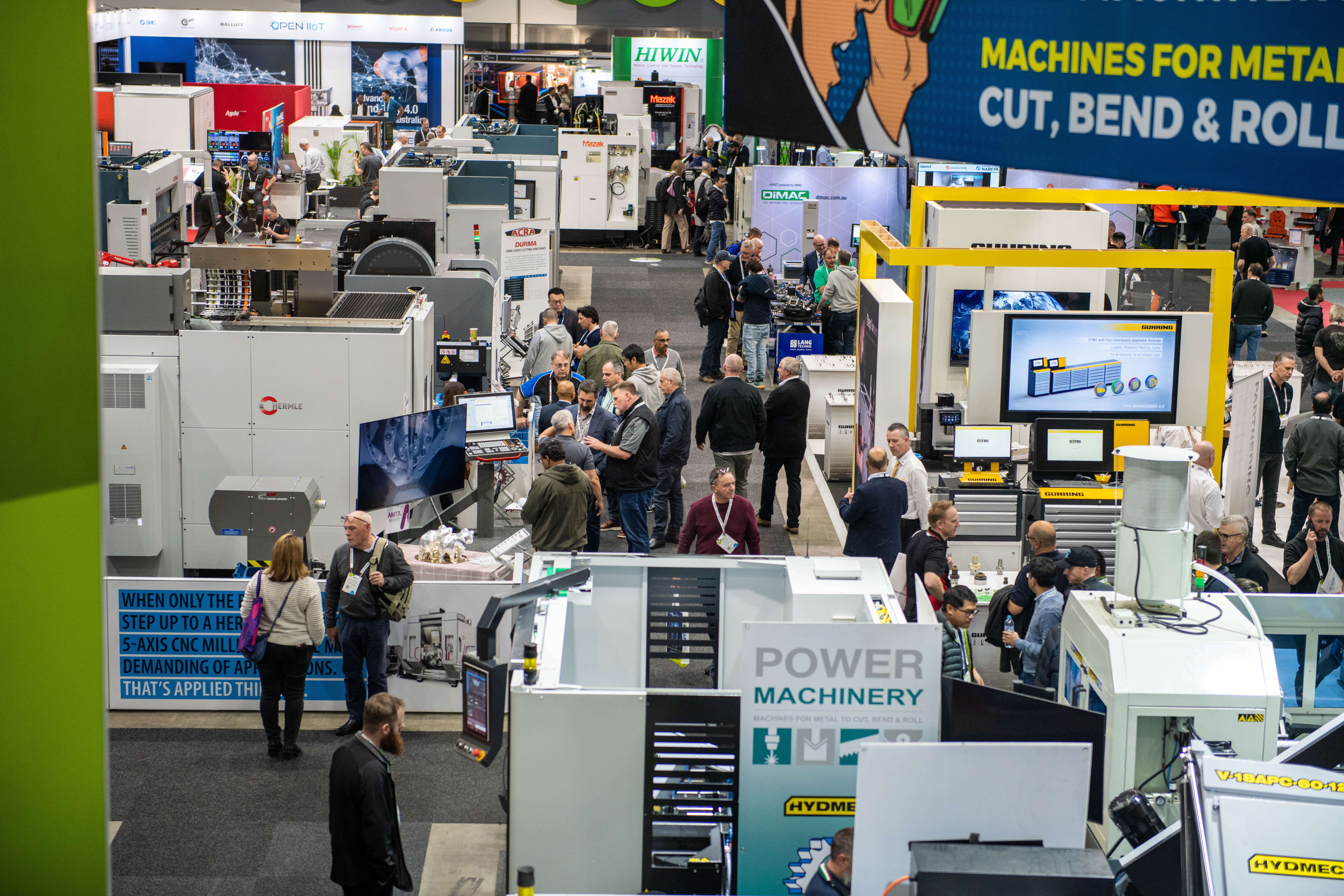
Australian Manufacturing Week (AMW2024) is being held at the Sydney International Convention Centre in Darling Harbour from 17-19 April 2024. Run by the Australian Manufacturing Technology Institute Limited (AMTIL), AMW2024 will occupy more than 6,560 square metres of exhibition space at the ICC, with more than 215 organisations taking stands to showcase the latest manufacturing technologies, processes, and support services. AUSTECH MACHINE TOOLS ZONE AUSTECH has been the cornerstone of AMTIL’s success for over 21 years. This iconic Machine Tools Zone now forms an integral part of AMW 2024. AUSTECH is specifically targeted at the metalworking, machine tool, and ancillary market in Australia. AUSTECH covers advanced manufacturing products and processes including: CNC Machinery, Lathes, Mills Contract Manufacturing/Precision Machining Cutting Tools, Tooling & Tool Holding Forming & Fabricating Machines Plasma, Laser, Waterjet & Ultrasonic Machines Ancillary equipment suppliers Finlease is sponsoring the AUSTECH Machine Tools Zone at AMW2024 in Sydney. Finlease sources finance for some of the country’s most innovative manufacturers. When you deal with a Finlease broker, you’re dealing with a…

November 24, 2023
Since its launch in Australia over 18 years ago, Applied Machinery has been supplying Yawei precision sheetmetal machinery to local manufacturers and job shops, maximising their productivity, boosting quality and broadening their capabilities. The Yawei range has steadily expanded and now includes CNC fibre lasers, tube lasers, pressbrakes, turret punch presses, guillotines and smart-factory automation solutions. The latest release from Yawei is a range of CNC Panel Folders offering fast speed, high efficiency panel folding with automation options available to maximise productivity. “When fast, accurate, repeatable four-sided bending is required the new Yawei Panel Folder is the answer. Repetitive 4-sided work doesn’t belong on a pressbrake, or a panbrake - it belongs on a panel folder,” said Applied Sales and Marketing Manager Daniel Fisher. The Yawei FBA series panel folder uses world class componentry which includes a Beckhoff control system with a 15 inch colour display screen. The system automatically calculates the required pressing force, folding pressure and safe area. The Yawei FBE series machines utilise a Siemens CNC, feature automatic tool positioning and a suite of automation and…

November 24, 2023
Australia has an opportunity to develop a sovereign sustainable aviation fuel (SAF) industry, with domestic demand for jet fuel expected to increase by 75% by 2050, according to a new roadmap released recently by Australia's national science agency, CSIRO and Boeing Australia. Unlike conventional jet fuel, SAF is produced from renewable sources – like agricultural waste, animal fats and vegetable oils – and significantly reduces carbon emissions over the fuel’s life-cycle making it a more sustainable alternative for powering aircraft. The Sustainable Aviation Fuel Roadmap builds consensus on developing an Australian sustainable aviation fuel (SAF) industry, identifying opportunities to produce and scale production using Australian feedstocks. CSIRO Senior Manager and lead Roadmap author, Max Temminghoff, said Australia was in a prime position to develop a domestic industry. “By actively working to liberate feedstocks, the roadmap estimates that Australia is currently sitting on enough resources to produce almost five billion litres of SAF by 2025. This could supply nearly 60% of jet fuel demand projected…
November 23, 2023
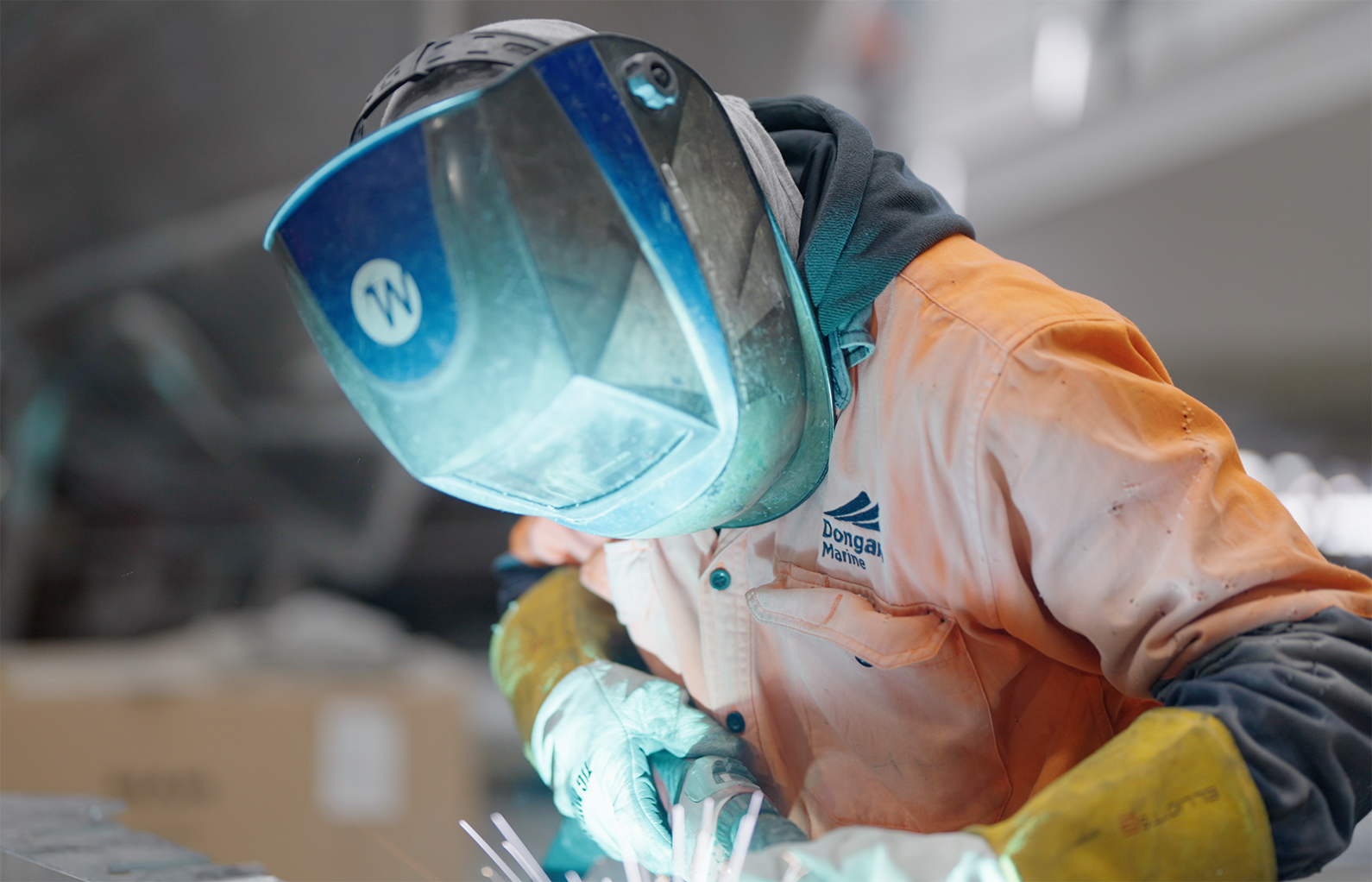
Since 1975, Dongara Marine has become a mainstay in West Australia's marine industry. Established by boat designer John Fitzhardinge in its namesake town, the business moved to a newly constructed waterfront shipyard in the port of Geraldton in 2022. Over the years, it has demonstrated exceptional prowess in boat building, maintenance, and marine services, emerging as a leader in the Australian maritime sector. "Dongara Marine's success lies in our broad skillset, diverse workforce, and in-house capabilities," says managing director and part-owner Rohan Warr. “We’re continually developing our workforce and refining our trade skills, providing us greater control over scheduling, costs, performance, and quality.” With highly experienced management, larger facilities, and an expanded, expert workforce Dongara Marine has the in-house capabilities to undertake virtually every aspect of highly sophisticated vessel construction, repair/modification, and vessel support for commercial, government and recreational clients. As a result of workload and projected demand, Dongara Marine is also operating from another established aluminium shipbuilding facility. Recent contract wins include two pilot boats for the Port of…

November 22, 2023
Developments in the electric vehicle (EV) market are advancing at a rapid pace, with consumer uptake on the increase and the end of the road for newly manufactured ICE vehicles fast approaching. The role of dynamic braking resistors in securing the EV power systems during the electric vehicle rollout. A DBR is a vital component in the EV power chain, responsible for safeguarding the electrical system by removing excess energy from a vehicle’s braking system. This mechanism supports several applications in the EV space — regenerative braking, fuel cell power reliability and heavy goods vehicle emergency braking systems. The regeneration game In EVs, a DBR’s ability to absorb and redirect energy facilitates regenerative braking. Regenerative braking uses the excess kinetic energy to recharge an EV’s battery. It is able to do this because the electric motor in an EV can run in two directions: one, using the electrical energy, to drive the wheels and move the car, and the other, using the excess kinetic energy, to recharge the…
November 20, 2023
Rising consumer demand for ethically sourced and environmentally friendly products, changes in the Australian policy landscape, and growing pressure from stakeholders means sustainability is now front of mind for every organisation. Simultaneously, an increasingly competitive and uncertain global economy of fast-rising materials and shipping costs is forcing manufacturers to implement intelligent, agile, and cost-effective production processes to improve efficiency and throughput. Fortunately, despite these converging challenges, businesses today have the digital tools to support collaboration with industry peers on a global scale. The rise of Internet of Things (IoT) connected smart factories provide manufacturers with the capabilities to leverage data insights from their shop floor and supply chains to develop end-to-end circularity in their sourcing, production and distribution processes. This is helping to minimise unnecessary waste and reduce carbon emissions for more sustainable operations. As more manufacturers move into a circular economy business model, decision makers are turning to innovation to support this transition, with 80% of CEOs increasing digital technology…

November 17, 2023
Welding has long been the go-to method for repairs and restoration of metal parts. Although it’s a well-established and great method for joining metals, when it comes to repair, welding may not always be the most suitable solution. Unfortunately, with limited alternatives available, it has often been the common or default choice. However, a new technology is now emerging that promises to revolutionise the repair process and offer a more versatile and efficient solution: low-pressure cold spray technology. Cold spray – also known as supersonic particle deposition - is a groundbreaking technology for repairing geometries and applying functional coatings. Unlike welding, which involves high temperatures and can result in distortion, residual stress, and damage to surrounding materials, cold spray operates without the need for extreme heat. Instead, it propels metal particles at supersonic speeds onto metal surfaces. As they collide, the kinetic energy of the particles causes them to deform and interlock with the metal surface, creating a strong, metallurgically bonded coating. When it comes to repair and maintenance, the advantages of low-pressure cold spray over conventional welding…
November 13, 2023
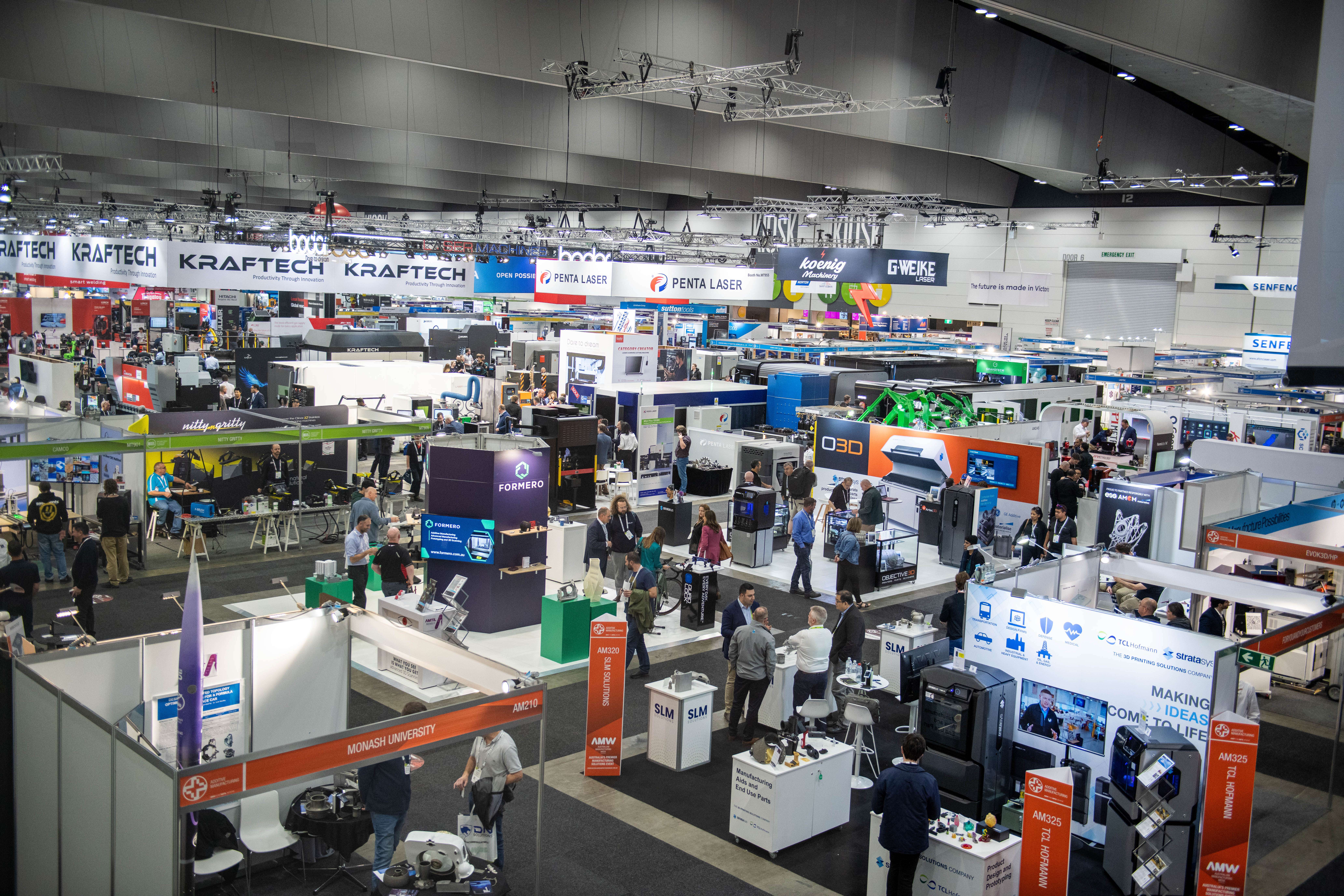
Australia’s premier manufacturing technology trade show, AMW Sydney 2024, is promising to be a dynamic and innovative event that brings together professionals, companies and experts from many industries related to manufacturing, engineering and technology. It is AMTIL’s aim for Australian Manufacturing Week to be more than just an exhibition. This is the centrepiece of a week-long celebration of manufacturing in Australia today. “On the back of the overwhelming success of AMW 2022 in Sydney, we have returned to the ICC at Darling Harbour for April 2024 and are excited to be delivering another strong show,” said Shane Infanti CEO of AMTIL, organisers of Australian Manufacturing Week. “We are very pleased to have the support of the NSW Government as the Major Sponsor for AMW. Government support is important in delivering the message to our industry that manufacturing is important and that the support mechanisms are there to assist.” Australian Manufacturing Week will take place at the International Convention Centre, Darling Harbour, Sydney. The stats from our Melbourne show at the MCEC showed conclusively the appetite for…
November 10, 2023
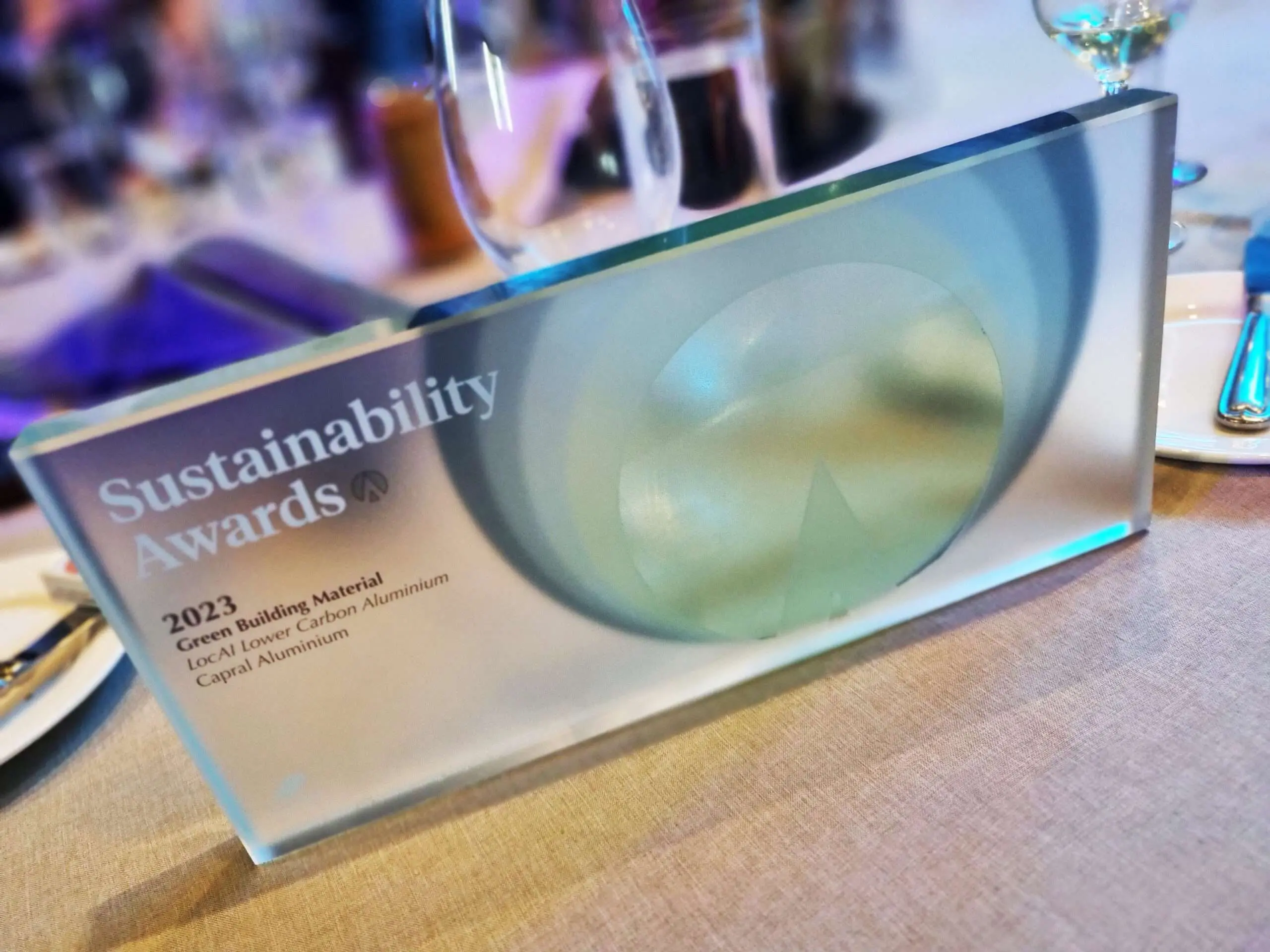
Breaking new ground in sustainable construction, Capral has achieved yet another milestone with its Lower carbon aluminium offer, LocAl®, recognised at the 2023 Architecture and Design Sustainability Awards as the Green Building Product category winner. In an era where environmental consciousness is paramount, Capral's locally extruded, lower-carbon aluminium stands out as a testament to the company's commitment to sustainable practices and aluminium stewardship. The Sustainability Awards is Australia's longest-running and most prestigious awards program dedicated to acknowledging and celebrating sustainable design and architecture excellence. 2023 marks the 17th year of the program, with winners announced on November 9th at the annual gala event held in Sydney. Capral was recognised as the Green Building Product category winner for its market-leading Lower Carbon Aluminium offer - LocAl®. When LocAl® was introduced in November 2022, Capral had a clear objective to make locally extruded, lower-carbon Aluminium available to Australian manufacturers, architects and designers. The LocAl® offer includes two lower carbon aluminium options: LocAl® Green with carbon emissions of 8kg CO2e/kg Al* and LocAl® Super Green at 4kg CO2e/kg Al* - amongst…
November 10, 2023
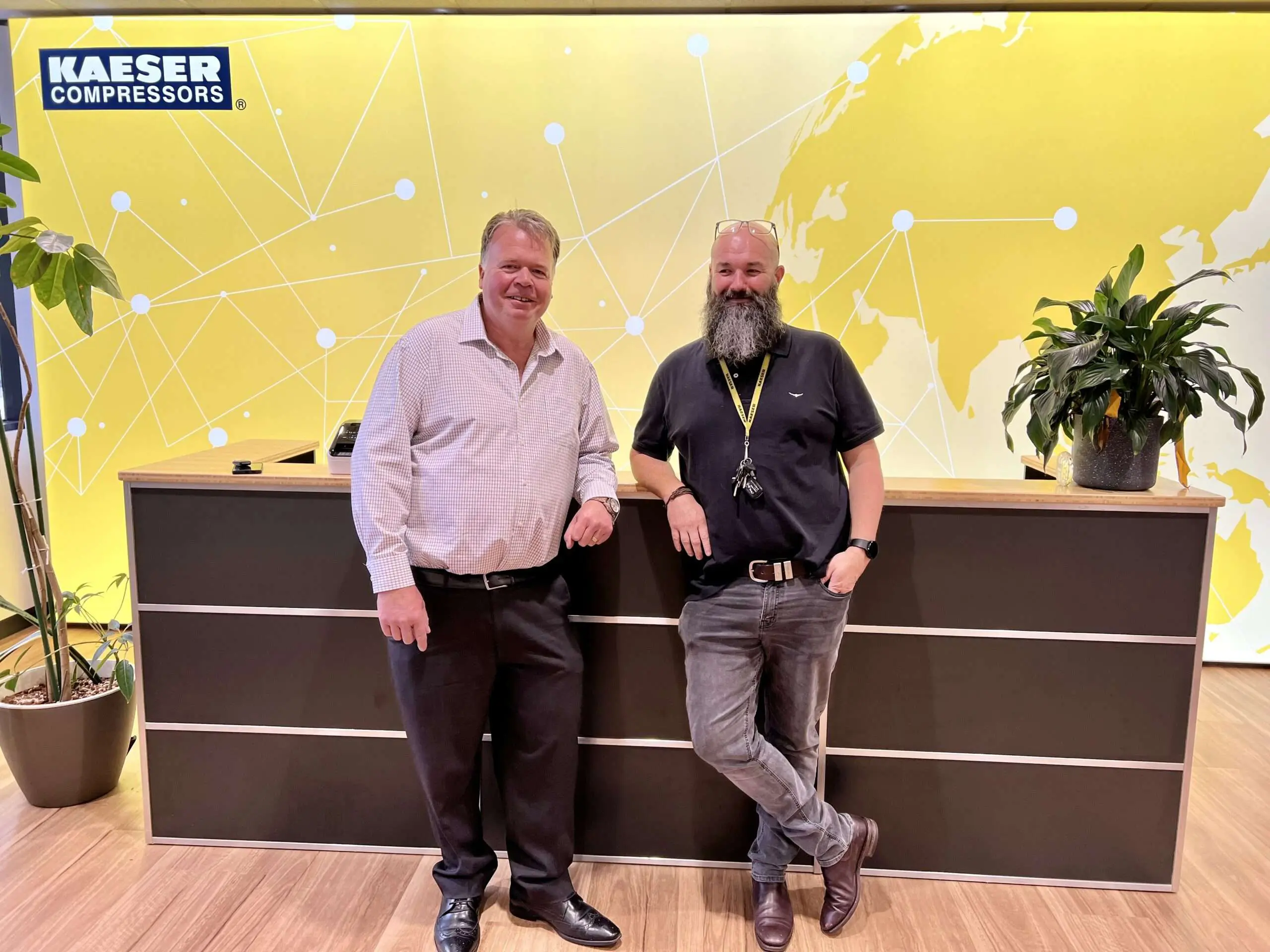
Thanking Mark and Craig for their commitment, KAESER Australia Managing Director, Peter Eckberg said, “We are grateful for your dedication and long-standing loyalty to the company as well as the industry.” “It is unusual these days for people to remain with one employer for such a long period of time. Over 70% of the Australian workforce has been in their current position for ten years or less. So in this environment, for a person to reach 20, and then 30 years of service is absolutely outstanding.” In 1993, Mark Dudman was employed as a Sales Engineer for KAESER Australia. Based in the Sydney branch office, Mark progressed to the role of Branch Manager and then National Sales Manager. Decades of experience mean Mark is well-known and respected in compressed air circles. Asked about his time in the industry, Mark says the key to navigating the ever-changing market is to focus on the customers and always check that the product solves the problem. In that…

November 8, 2023
Laser Induced Breakdown Spectroscopy (LIBS), is now a viable technique for large-scale analysis of geological materials with the ability to contribute to ore body knowledge and directly influence exploration geology programs and process metallurgy operations. The technique has some similarities to spark OES which has been used for many years in the metals industry to confirm or identify alloy grades. While LIBS is not a new technology, it really came to the fore in 2012 when NASA employed it on the MARS Rover Curiosity. Their LIBS system called ChemCam is mounted on top of the mast and can analyse materials as far as seven metres away, where it was used to determine the composition of Martian geology samples. In July 2021 it was reported to have collected over 800,000 spectra from more than 2,500 individual targets. In the process, it has been responsible for some of the Rover’s most significant discoveries. Main image: The NASA Curiosity Rover. The ChemCam LIBS system is housed in the module atop the mast (photo courtesy of…
October 31, 2023
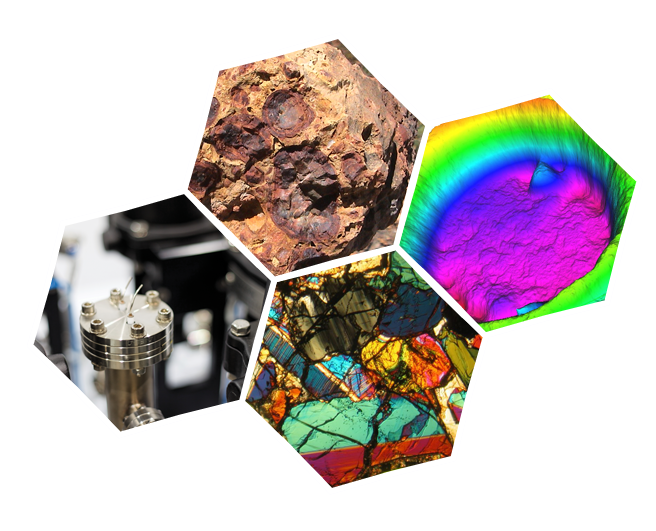
Mineral exploration plays an important role in society. Today, with the drive for a low carbon economy there is pressure to discover mineral deposits such as nickel, lithium, cobalt, zinc and copper that are required to build renewable energy sources such as solar panels, wind turbines and batteries for homes, industry and electric vehicles. Without access to ‘green metals’ a low-carbon world won’t be possible. In support of mineral exploration are two technologies that offer improved mineral identification techniques through reliable analysis. One of these technologies is LIBS or Laser Induced Breakdown Spectroscopy. A rapid minimally destructive chemical analysis technique used to identify and detect mineralogical samples. A leading laser system is the J200 LIBS instrument from Applied Spectra designed specifically to handle the most demanding trace element analyses — those requiring high sensitivity and accuracy. With a single-digit ppm (parts per million) level of detection (LOD) limit for many elements in the periodic table, the J200 LIBS is an ideal instrument for challenging quantitative elemental analysis with many sample matrices and capable of monitoring single or multiple elements of…

October 27, 2023
Originally founded in New Zealand in 1974 by Keld and Vivi Sorensen manufacturing specialised machine tools, Sorensen Engineering relocated to Sydney in 1981. Although continuing to manufacture machine tools until the early 2000s, this second-generation family business diversified into the production of precision component parts and assemblies in the mid-1980s and has continued to innovate and was recently recognised in the top 100 most innovative companies in Australia. Today, with a total staff of 30, the company is a highly competent precision engineering business with more than 40 years’ of experience. Sorensen services diverse markets such as mining, pump & fluid controls, film & TV equipment, and biomedical & scientific equipment. More recently, in response to the COVID crisis, they have been supporting critical projects with components for ventilators and PCR instruments involved in large-scale COVID testing. The first Okuma lathe was purchased by Sorensen Engineering in 2006 and today it has nine Okuma machines including CNC lathes, horizontal and vertical machining centres, plus automation and robotics. “The selection of Okuma machines came down to the precision and reliability of…