



June 17, 2025
Price’s Fabrication + Steel is a family-owned business based in Williams, Western Australia. They specialise in custom-designed agricultural sheds and water tanks, serving the Southern Wheatbelt and Lower Southwest regions. Their shed offerings include machinery, workshop, hay, commercial, drive-through, and fertiliser sheds. Price’s Fabrication + Steel is a strong, well-managed, and successful WA business with a positive outlook. The challenge Price’s Fabrication + Steel encountered several growth-related challenges and sought external support to help resolve bottlenecks, uncover new opportunities, and enhance overall productivity. An initial visit to the Williams site revealed several areas ready for improvement. Price’s was dealing with a 12-month backlog of orders at the time. Compounding the issue, large volumes of materials occupied valuable space on-site due to long restock times—some items required up to six months to replenish. As a result, the company held six months' worth of inventory at any given time to manage supply chain delays. One of their most persistent issues was design inaccuracy. Transitioning design plans from paper to digital was underway to improve precision, but inefficiencies remained. Additionally,…

June 16, 2025
Export award-winning, Tauranga-based Oasis Engineering continues to expand its international market as a specialist manufacturer delivering world-leading solutions to those pushing the boundaries of energy and fluid transfer to benefit humanity and the environment. The company initially began as the maintenance division of a soft drink brand but was separated during a restructuring during the 1980s. The new company quickly established a strong reputation as a machine shop that reliably produced high-tolerance precision machined parts in difficult-to-work materials such as stainless steel and titanium. This led to work manufacturing valves and couplings that were required for the new and emerging Compressed Natural Gas (CNG) fuel market for a major CNG supply company and this quickly expanded to every major CNG supplier and to every significant CNG market in more than 40 countries. Today, Oasis Engineering is part of the ELAFLEX Group of Companies of Hamburg and is manufacturing precision CNG, LPG and Hydrogen reticulation products for the world market, with approximately 80% of production going to the USA, 10% to other world markets and 10% to the…
June 11, 2025
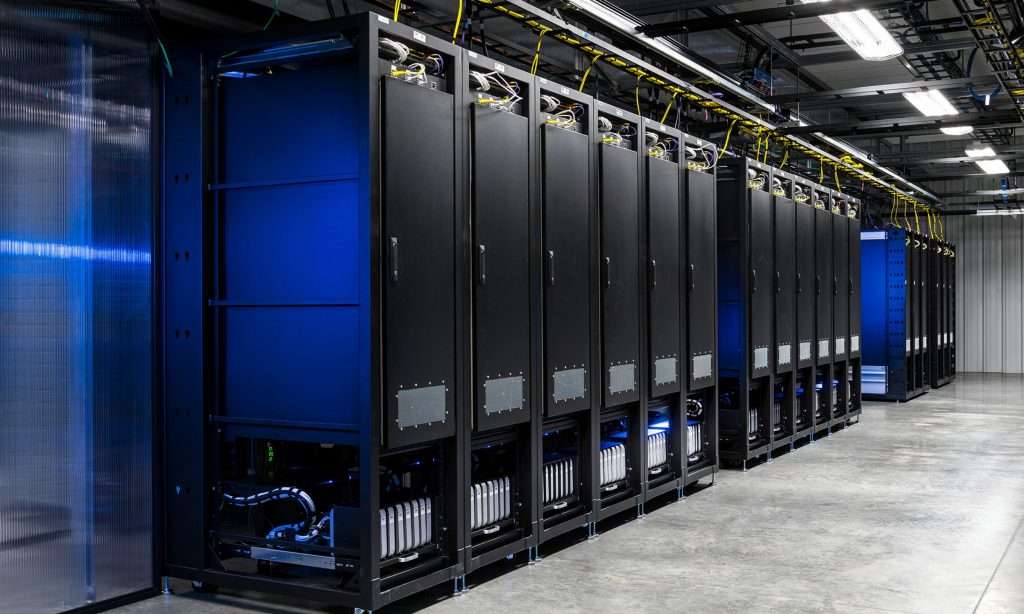
Zinc whiskers can pose significant problems if not addressed. Despite their innocuous name, they can cause considerable disruption in data centres. While monitoring temperature and having an effective layout can mitigate risks, it’s crucial to remain vigilant about this concealed threat. Zinc whiskers are tiny filaments that form on steel surfaces electroplated with zinc. Zinc protects against corrosion, but the molecular stress from the electroplating process causes it to expand and crystallise to relieve the pressure. They start at only a few microns but can grow to several millimetres. It’s important to note that various surfaces develop whiskers at different rates and densities. Zinc whisker growth is unpredictable, but it is believed to be influenced by the conditions during the electroplating process itself. The tiny shards can lead to catastrophic consequences for data centres. They can remain undisturbed for years on floor tiles and other structural supports. While they are more prevalent in older data centres that used electroplated zinc, they can form on this material anywhere, regardless of environmental conditions. Hazards Unchecked zinc whiskers can lead to everything…

June 10, 2025
In the fast-paced and cost-driven world of manufacturing, businesses often face tough decisions when investing in new machinery. While price is a major factor, cutting costs by opting for non-certified machines can have serious consequences—ranging from safety hazards to costly downtime, regulatory challenges, and limited resale opportunities. Globally, machinery safety regulations have become more stringent, particularly in regions like Europe, where CE certification is the benchmark for compliance. While Australia does not mandate CE certification, the risks of operating non-certified equipment are becoming increasingly evident. What is CE certification, and why does it matter? CE certification, or CE marking, is a European safety and compliance standard ensuring machinery meets rigorous health, safety, and environmental protection requirements. The CE mark signifies that the manufacturer has verified the machine’s compliance with European safety directives, often involving independent assessments and rigorous testing. For manufacturers, CE certification assures that equipment meets a globally recognised standard, minimising the chances of operational failures, safety incidents, and compliance issues. While Australian standards such as AS/NZS 4024 focus on machinery safety, CE certification continues to be a well-regarded mark…

June 5, 2025
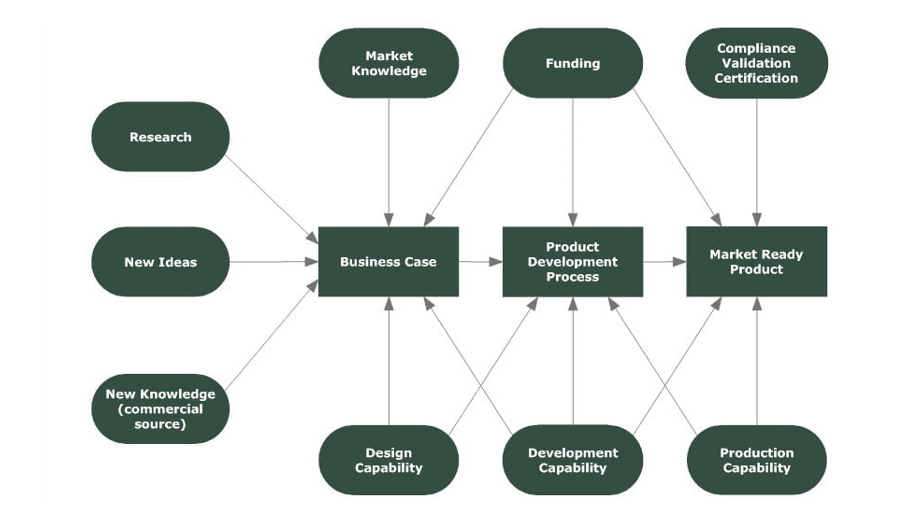
For over 30 years, Dimac has supported manufacturers across Australia and New Zealand with expert workholding solutions that enhance the performance of CNC machines. As a trusted performance partner, Dimac works closely with clients to streamline processes, improve productivity and strengthen operator safety. With tailored solutions that deliver precision, repeatability and efficiency, Dimac helps clients achieve consistent performance while reducing operational costs and driving long-term value. One such client is Marand Precision Engineering — a leader in precision manufacturing that understands the value of continuous improvement. Looking to implement a more efficient workholding strategy, Marand engaged Dimac’s Sales Manager (Victoria and Tasmania), Adrian Crisan, to explore the best fit solution. Challenges in modern CNC manufacturing For over five decades, Marand has been at the forefront of precision engineering, supplying high-quality solutions to industries including defence, aerospace, rail, mining and energy. As the demand for higher efficiency and standardised manufacturing processes grew, Marand needed a solution to: Reduce machine downtime caused by lengthy and inconsistent workholding setups. Ensure part accessibility to optimise cycle times across various CNC machines. Create a universal…
June 3, 2025
When it comes to manufacturing, Australia operates in a high-cost business environment, much like Germany. This means we’re not the ideal place for producing low-grade, low-value, and easily replicated products. This is especially true in the electronics sector. So, if you can’t compete on raw transactional costs, what can you compete on? Eighteen months ago, we relocated to a larger design office and a separate electronics manufacturing factory in Dandenong South. Now, we have an SMT pick and place line, enabling us to produce higher volumes of products at a reduced unit cost. However, we are not aiming to become a Contract Electronics Manufacturer (CEM), and we still collaborate with established Australian CEMs such as Precision Electronic Technologies, Duet Electronics, and Entech Electronics. We are not looking to compete with them in volume manufacturing; instead, we specialise in high-quality, high-mix, low-volume manufacturing for prototypes, field trial units, and niche opportunities. While this is not the core business for the CEMs, it represents a critical area for startups…

May 30, 2025
Emerging AI technologies coupled with a digitally savvy and a highly educated workforce are giving Australia the opportunity to reinvent its manufacturing industry as a high-value, niche enterprise capable of supporting high-end jobs. The transformative change will manifest as autonomous manufacturing, in which machines independently make decisions, boosting productivity, ensuring quality, enhancing safety, minimising waste, optimising energy consumption, and so forth. The relevant technologies that support these capabilities are already accessible, as evidenced by autonomous vehicles. Australian mines have been early adopters of these technologies, with self-driving trucks operating in several local mines. The algorithms that facilitate decision-making are trained through machine learning, enabling machines to emulate human cognition. This capability allows machines to perceive their environment, reason, and make rational and safe decisions—with the advantage that machines can perform these tasks consistently and faster than humans due to their superior data processing capacity. Engineers and data scientists collaborate to guide the algorithms. As the nation’s premier research organisation focusing on translational applied research, CSIRO is committed…

May 29, 2025
Australian-built generative AI software trialled by iconic American confectionery company Tootsie Roll could provide hundreds of millions of dollars in savings to the manufacturing industry. The software includes real-time insights that facilitate a greater connection between the C-suite and operational teams. Australian manufacturing efficiency software company OFS has launched Mayvn AI, a first-of-its-kind artificial intelligence platform designed to improve productivity and strengthen communication between manufacturing executives and operational teams. The Australian-designed and engineered software, Mayvn AI, offers real-time information and insights into what’s happening operationally in manufacturing facilities. This can encompass current issues delaying production all the way through to preparing a business case for capital investment and the related return on investment (ROI). Mayvn AI has been trialled with major Australian and global manufacturers, including the iconic US confectionery maker Tootsie Roll Industries, which has reduced specific data-related procedures by over 90%. “There are things we ‘knew’ were a problem, but Mayvn AI validates and quickly provides us with data to effectively demonstrate the impact of those problems,” said Eric Bader, Manufacturing Systems Manager at Tootsie Roll Industries. “We’ve…

May 28, 2025
Objective3D, Australia and New Zealand’s leading provider of additive manufacturing solutions, has officially merged with TCL Hofman (Australia) and TCL Hunt (New Zealand), both part of the Ravago Group. This strategic merger creates the region's most comprehensive additive manufacturing solutions provider, operating under the unified Objective3D brand. This merger combines unparalleled expertise and technology offerings, including polymer, metal, and ceramic 3D printing, advanced 3D scanning, and additive manufacturing software. In addition to the extensive range of cutting-edge solutions from Stratasys, Lithoz, Artec3D, and Materialise, Objective3D will expand to incorporate other additive manufacturing technologies including both Formlabs and Nikon SLM solutions. This positions Objective3D as a driving force in the Australian manufacturing landscape, empowering industries to embrace innovation, enhance efficiency, and strengthen local manufacturing capabilities. What sets Objective3D apart is not only the scale of its operations but also the authenticity of its approach. Its Additive Manufacturing Centre in Carrum Downs, Victoria, is one of the largest of its kind in the country. Unlike others who merely sell 3D printers as part of a broader portfolio, Objective3D employs the same technologies…
May 27, 2025
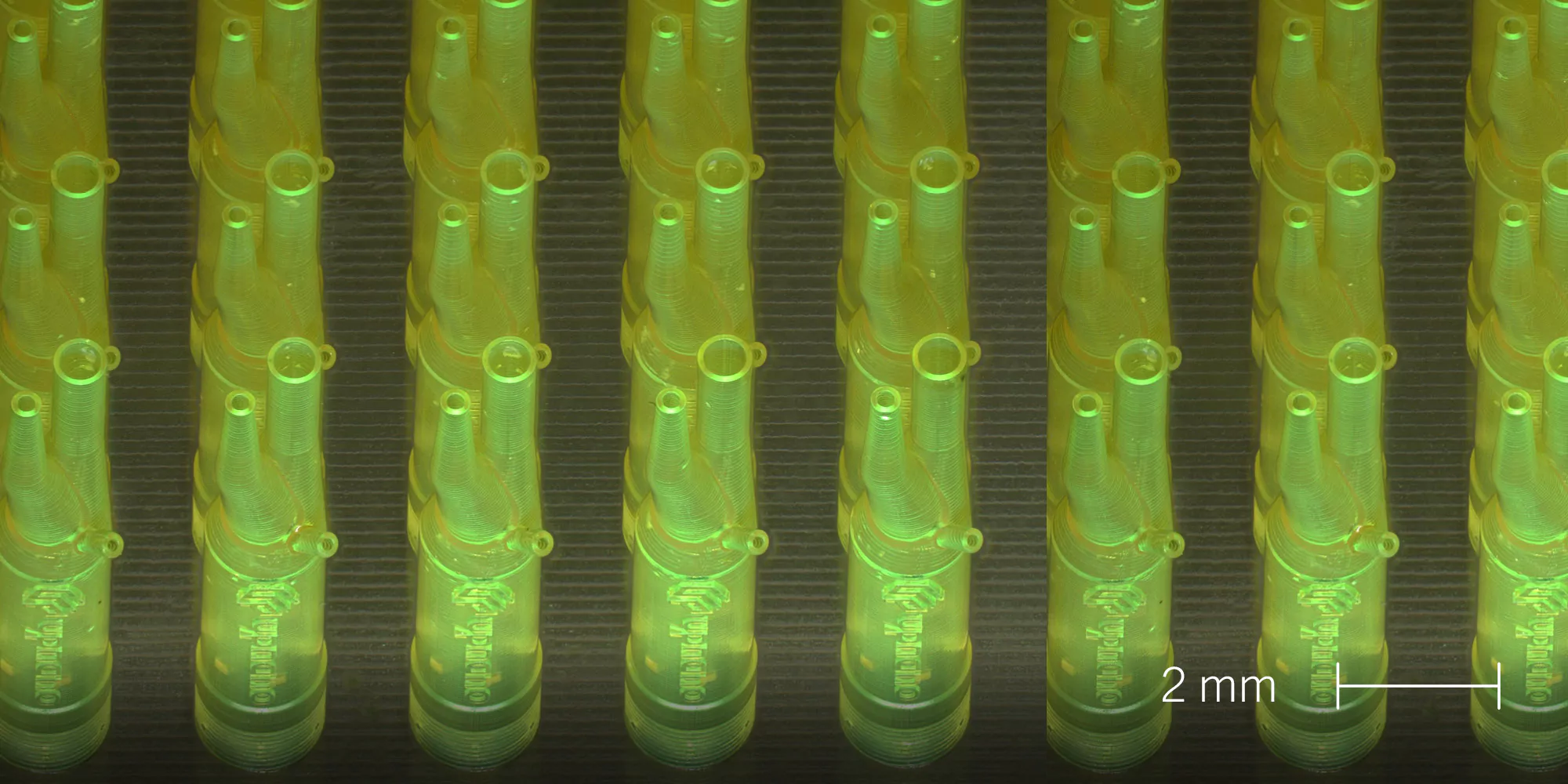
3D printing is often referred to as rapid prototyping due to its ability to quickly and affordably manufacture small volumes of components, particularly those with complex geometries. With no need to produce expensive tooling or moulds, 3D printing is significantly more economical, especially during the development phase, when compared to processes such as injection moulding. However, making the transition to industrial-scale production has been a challenge… until now. For those needing to fabricate parts with high-resolution (better than ~0.3mm) and a surface finish akin to injection moulded parts, resin-based 3D printing using light-based technologies is the solution. At the top end of the scale is the UpNano NanoOne Green which can achieve feature sizes as fine as 100nm using 2-photon polymerisation (2PP) technology, making it the ultimate tool for rapid prototyping. Even with it’s industry-leading printing speed, print times can be relatively long and production volumes are limited. UpNano recently unveiled the NanoPro VT, the world’s first 2PP 3D printer built for industrial-scale production, offering high-volume microparts on a scale that has never been possible. The NanoPro…
May 26, 2025
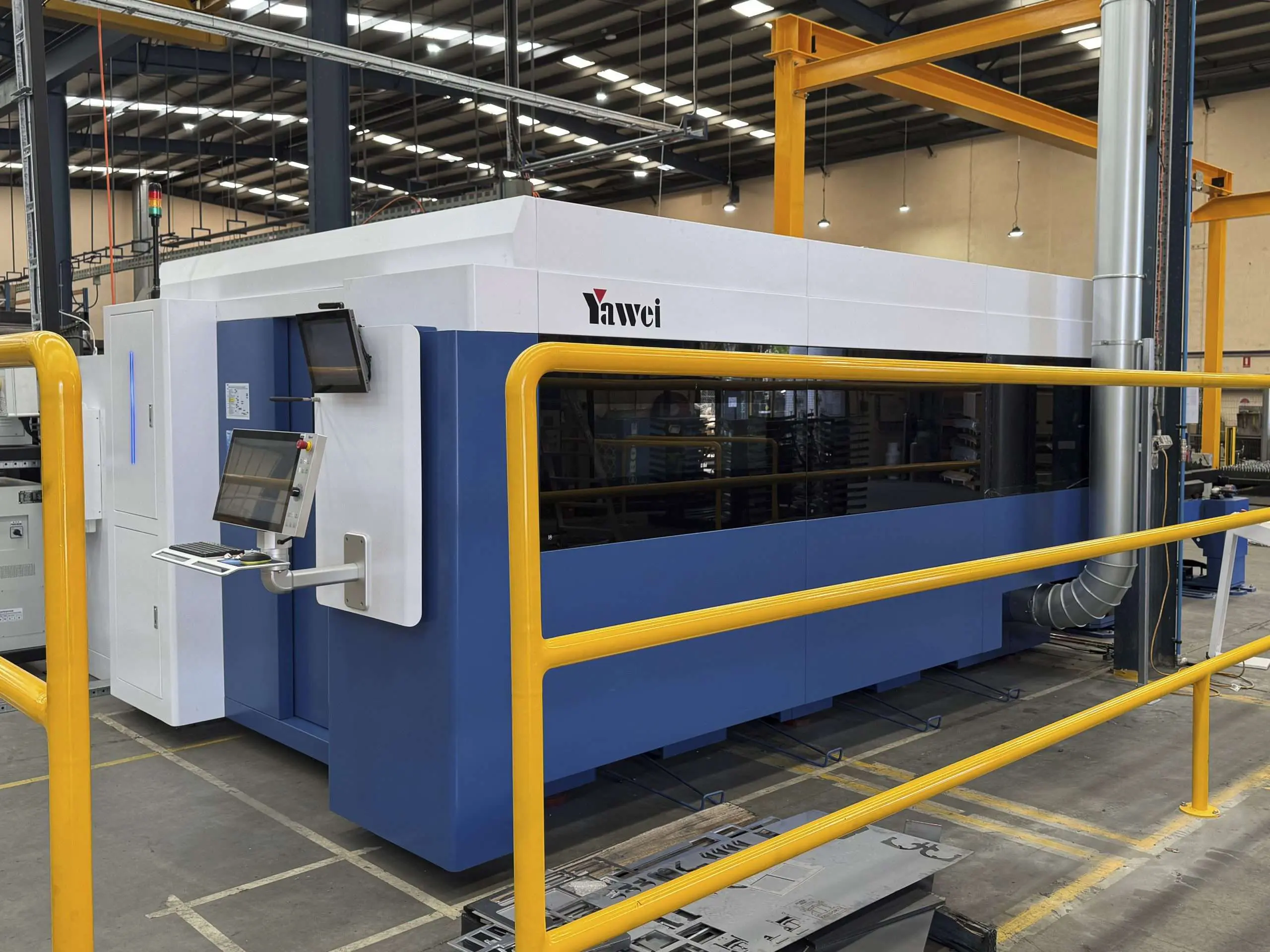
Established in 1974 and trading as Jenkin Bros. Engineers until last year’s 50th anniversary, the new trading name Jenera pays homage to the company’s founders, Bob and Graham Jenkin, while looking forward to a new era in its evolution. Some key developments in the company’s history occurred with a buyout of management in 2004 by a group including Frank Taranto and Jamie Macaulay, the current business directors and owners. The acquisition of Arthur Ward, a fabrication business, in 2009 significantly boosted the company’s capabilities. The transfer of around two million dollars worth of Kenworth parts business from Australian Engineering (previously Elliott) in 2013 significantly increased turnover. Simon Bowen is the current CEO, and staff numbers today are around sixty. Operating primarily in Melbourne, Jenera’s key services include precision CNC machining, laser cutting, welding, bending, thread rolling, folding, and painting. A dedicated finished assembly area connects manufactured components, providing customers with a one-stop shop for all their sheet metal needs. Its machining centre features nine CNC lathes, five VMC mills, and two CNC saws. On the…
May 15, 2025
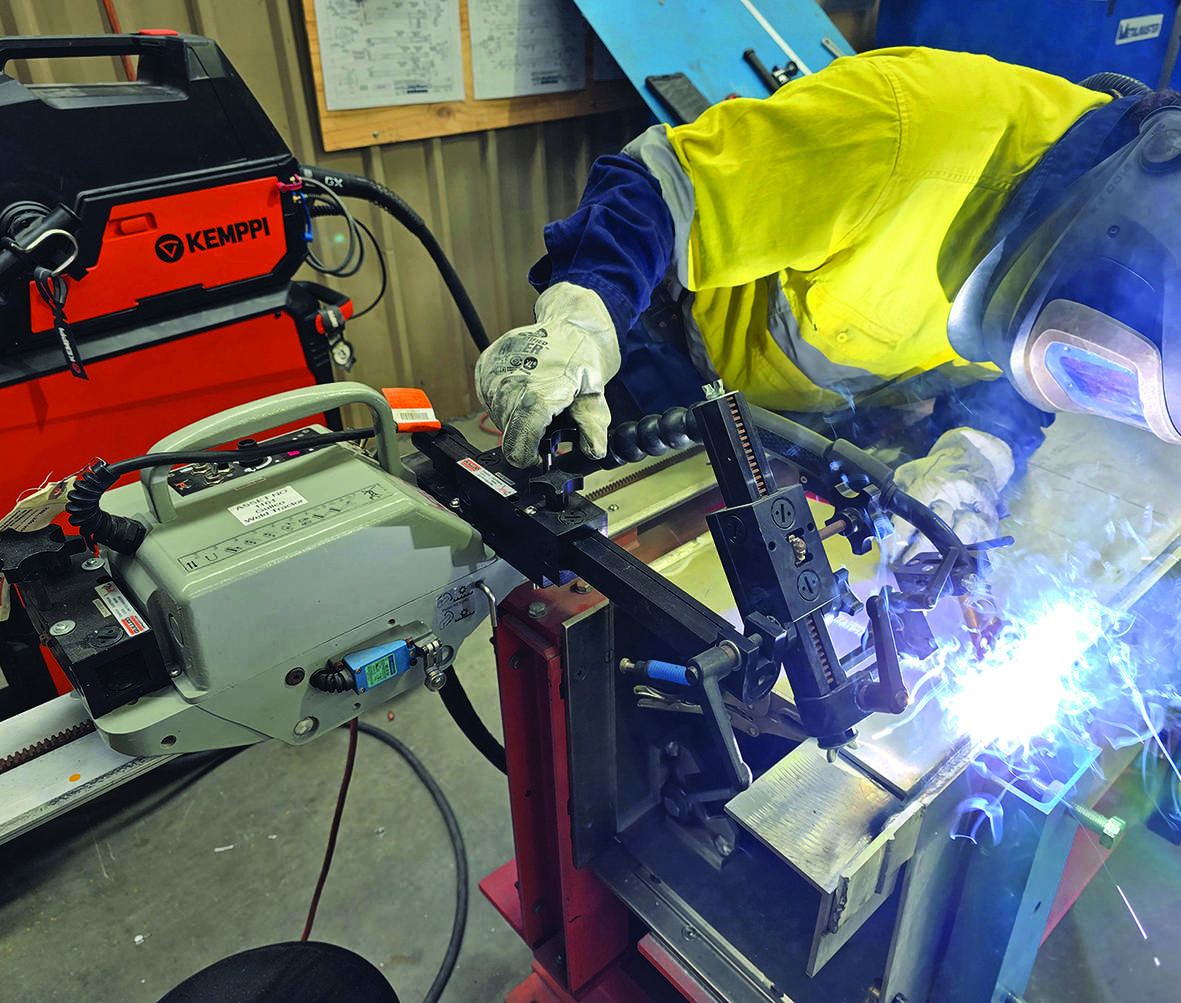
With its head office in Tasmania and manufacturing plants in both Tasmania and South Australia, Jayben Group is an OEM company that specialises in powertrain products and light to medium industrial plant and equipment, including design, engineering, and manufacturing for the mining, agricultural, manufacturing, and defence sectors. Since its humble beginnings in 1927, the company has evolved significantly and today, it services clients both nationally and overseas. Determined to continue to provide clients with first-rate products, the company trialled Kemppi’s WeldEye welding management software before fully implementing the solution to effectively control welding quality. The challenge According to Danny Patmore, Fabrication Manager at Jayben Group, the company was not willing to forego quality despite experiencing strong growth. “Since our earliest days, we have been committed to producing high-quality products, and even though we have rapidly expanded, we remain unwavering in ensuring that quality is integral in all stages of the production process, including welding. “Welding is fundamental when you are manufacturing the sorts of parts and equipment that we produce in steel, stainless steel, aluminium and other metals. If the quality…
May 14, 2025
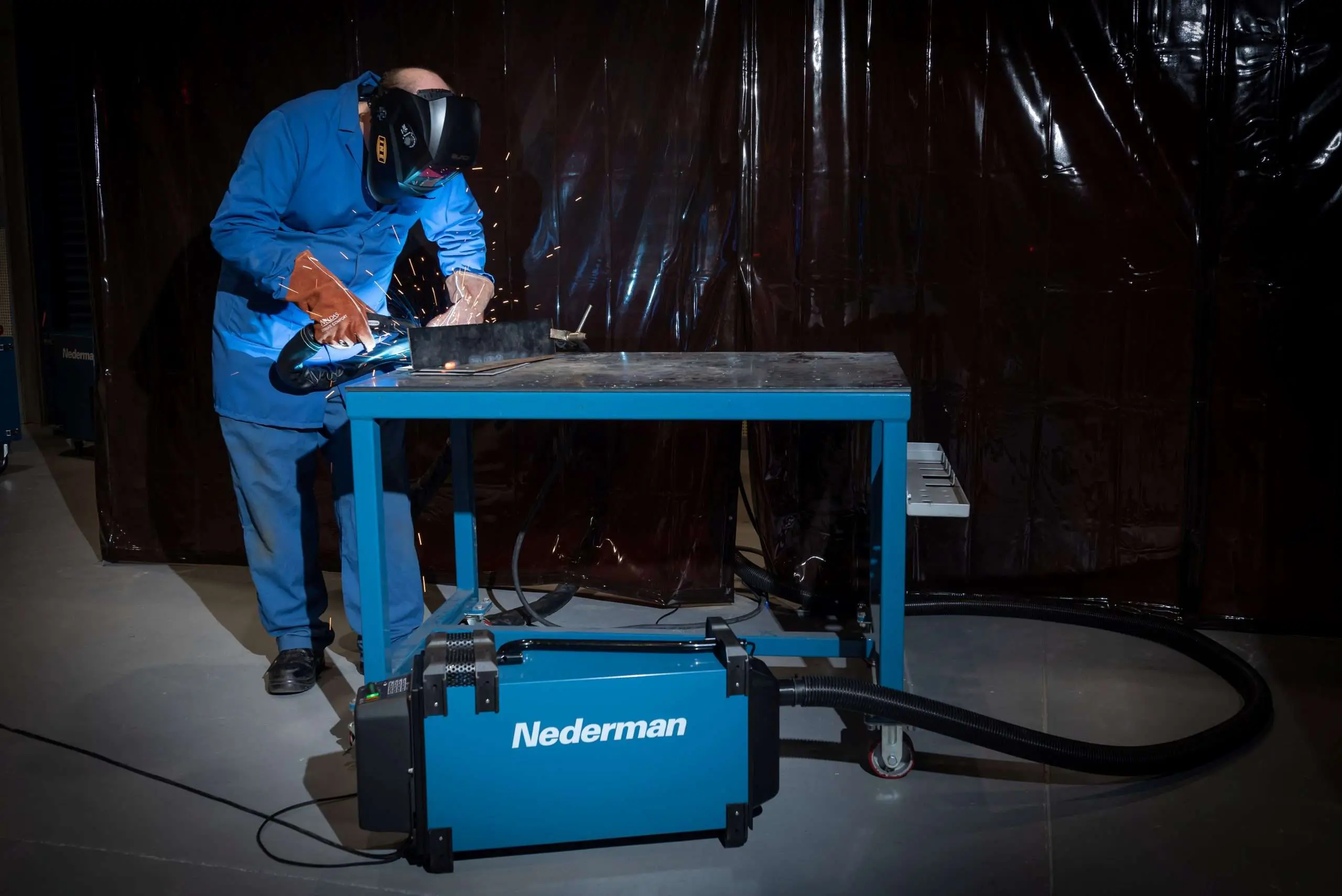
Safe Work Australia has recently brought in significant changes to the Workplace Exposure Standard (WES) for welding fumes after the Work Health and Safety Ministers endorsed a decision to change Australian legislation. The new law establishes air quality standards for an eight-hour weighted average at just 1mg/m³, an 80% reduction from the previous limit of 5mg/m³. This change represents a significant step towards ensuring worker safety by reducing their exposure to harmful welding fumes. The new limit applies to welders and anyone who works near them. Worker protection in the welding industry has recently faced scrutiny, as serious health issues have been linked to extended exposure to welding fumes, a recognised carcinogen. The quick implementation of this reduction will ensure workplaces actively mitigate the negative health effects associated with welding activities. This decision will also ensure that workers remain committed to their roles without worrying about potential long-term health impacts from their chosen careers. Implications of the WES changes to welding workers and business owners The recent update to the Workplace Exposure Standard (WES) for welding fumes holds significant implications…