



September 18, 2023
PakTech, the leading producer of sustainable secondary packaging solutions, has announced its official launch in Australia, through which its technology, manufacturing and products will enable the food, beverage, and consumer goods industries to respond to the growing ESG pressures and consumer demand for sustainable packaging and practices. Embracing an entirely circular economy model, PakTech is the leading manufacturer of 100% recycled and recyclable secondary packaging. Later this year, using its proprietary technology, PakTech will have the capacity to manufacture 100 million recycled injection moulded packaging handles for cans, bottles and other containers, annually within Australia. Having experienced significant organic growth in Australia in recent years, the company is now establishing an on-the-ground presence, with a contract manufacturing facility in Victoria and a proprietary partnership with Visy. Through it, PakTech will be able to tap burgeoning demand and fulfill its vision: made in Australia, recycled in Australia, and repurposed again into new PakTech products in Australia. Locally, PakTech’s existing customers include Hawkers Brewery, Billson’s of Beechworth and The Apple Press. Its launch in Australia comes as public demand for sustainable packaging and practices skyrockets.…
September 13, 2023
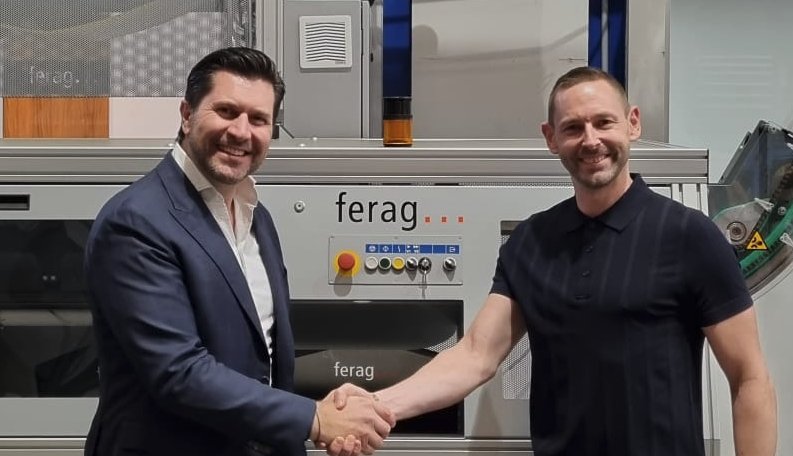
Ferag AG, a renowned family-owned Swiss company with over 65 years of experience as a global market leader in material flow systems, and dereOida, an Australian pioneer based in Sydney, producing warehouse automation software with their revolutionary doWarehouse system, are uniting their strengths to offer an unparalleled intralogistics solution to businesses across various industries. dereOida's flagship product, doWarehouse, presents a holistic single view across the warehouse. With the freedom to select any automated system, customers can seamlessly integrate their chosen hardware into doWarehouse, all while benefiting from dereOida's outstanding support services. The doWarehouse system enables the user to streamline processes, enhance productivity, reduce costs and allows for continuous improvement through insightful analytics. Notably, it provides a single source of truth, revolutionises sortation management, replaces cumbersome spreadsheets, and optimises warehouse space utilisation. Ferag AG's legacy as a family-owned Swiss company specialising in intralogistics solutions and the development, design and distribution of material flow systems is built upon innovation, quality, and a commitment to customer satisfaction. With a global presence across 18 countries and a team of more than 600 dedicated professionals, Ferag has consistently delivered…
September 11, 2023
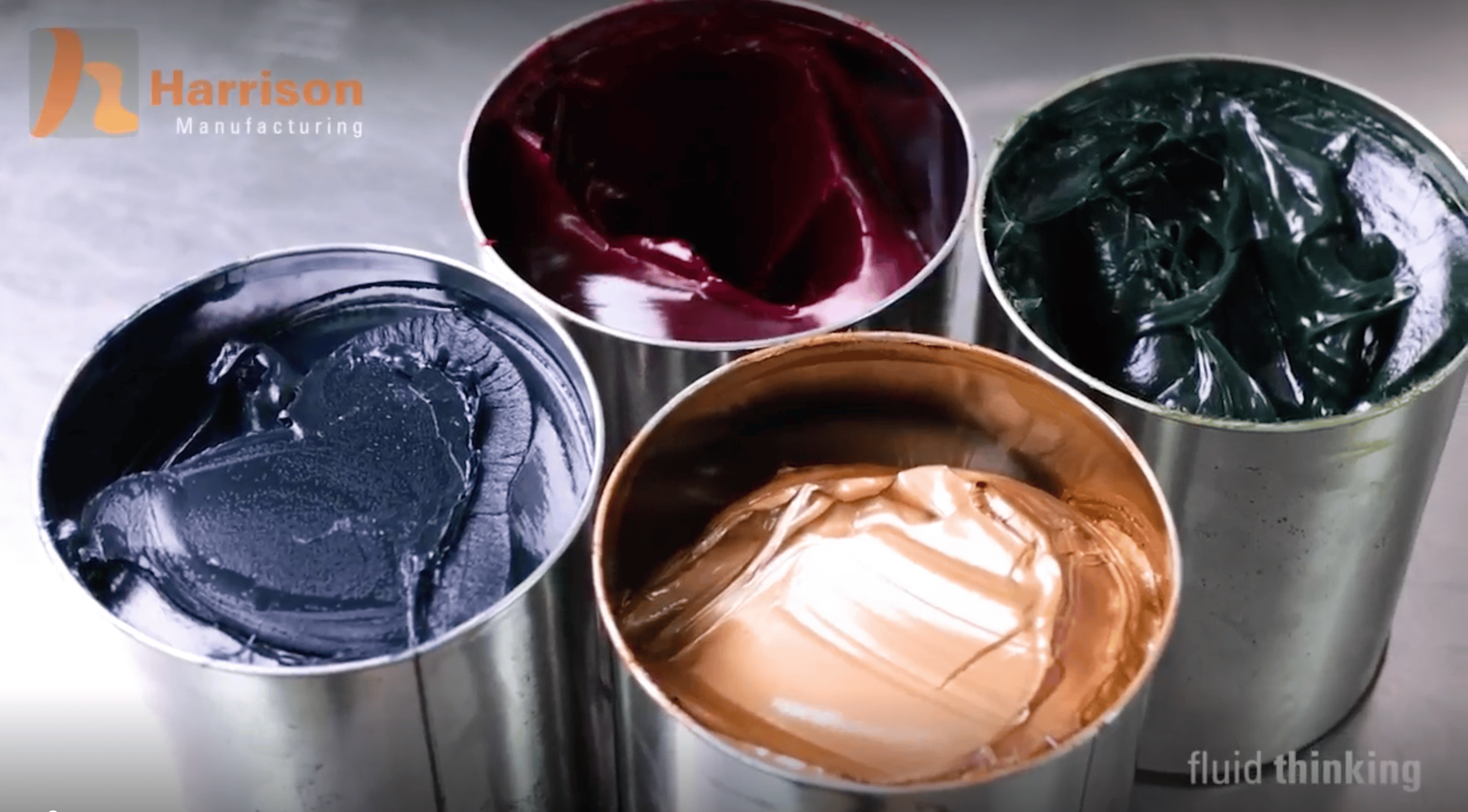
Harrison Manufacturing is Australia’s leading independent expert in the development, manufacture and supply of high-performance grease, oils, specialty additives and services to many industries, including the sheet metal tooling industry. This very proudly Australian family company has been heavily involved in research and development, manufacturing and supplying industry since 1949, and is family-owned and operated, now in its fourth generation. AMT spoke with Julie Harrison, the Owner and Director of the Harrison Group, and CEO of Harrison Manufacturing. Harrison told us the original company A.S.Harrison which had supplied the rubber and vulcanisation industries up to and during WW2, and now distributes high value-add chemicals into the industry was turning 100 years old this year. Operating out of Australian-based facilities, the Harrison Group has a comprehensive range of additional services, and solutions in research and development. Their in-house capabilities provide solutions all the way from initial idea to implementation. Harrison Manufacturing works with a diverse range of customers; some having been with the company for over 30 years and is proud to be part of the Harrison Group of companies. Harrison…

September 6, 2023
In today’s competitive economy, manufacturing is all about efficiencies and throughput as they work to supply retailers with consumer goods. However, manufacturers also need to consider environmental objectives and targets, as well as customer expectations. Increasingly, consumers are concerned about the environmental consequences of packaging, with many consumers prefer sustainable, eco-friendly options. Therefore, sustainability must be a priority for businesses. Packaging materials such as paper, wrap-around cases, carton and cardboard require bonding in a fast-paced environment. Ideally, these applications use hot melt adhesives, however, the application process tends to involve high temperatures (typically applied at 177°C) possibly causing health and safety hazards and resulting in high energy consumption. “With more than one-third of carbon emissions coming from electricity consumption, huge emission reductions and therefore savings, can be made by improving the energy efficiency of businesses,” says WWF Australia. When overheated or left in the melter for extended periods of time, traditional hot melts are prone to degradation which can result in charred fragments causing plugged nozzles or pop opens during production. These problems undoubtedly increase machinery downtime and operational costs which hurt the efficiency of manufacturing.…
September 6, 2023
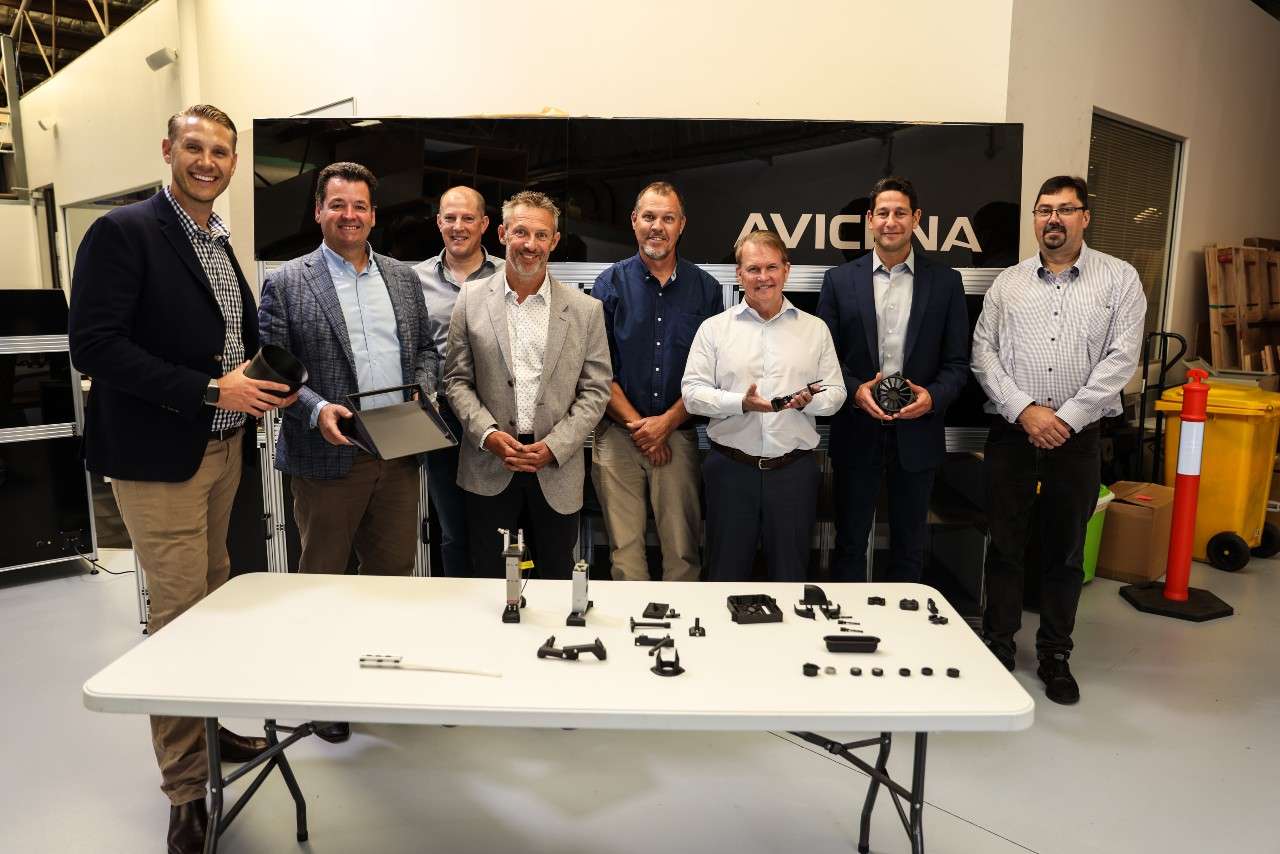
Following years of research and development, in 2014, Markforged unveiled the first 3D printer capable of printing in continuous carbon fibre. Then, in 2015, Markforged unveiled its cloud-based 3D printing software, Eiger. Merging the advancements of its printers, materials, and software into one platform, Markforged established the Digital Forge: the intuitive Additive Manufacturing platform for modern manufacturers. Markforged now has a significant presence in Australia, after having no presence in the region five years ago. Through the use of demonstration centres in Melbourne, Perth, Sydney, Adelaide, and Brisbane, local partners have been able to help customers boost in-house manufacturing efficiency and reduce dependency for parts on countries outside of Australia. Australian companies like Avicena, which produces more than 100 components of its Sentinel system in-house on Markforged printers, have adopted Markforged into its manufacturing processes to cut costs without affecting quality. Centor Global Services, a Brisbane-based manufacturer of high-end doors, utilises Markforged printers for the complex parts necessary to be a leader in its industry. For SQP, a family-owned and operated business located in Perth that provides…

September 5, 2023
Advanced Composite Structures Australia (ACS Australia) has partnered with Carnegie Clean Energy together as participants of the Blue Economy Cooperative Research Centre (Blue Economy CRC) to develop the future of renewable energy power generation using the untapped wave energy source of the world’s oceans. Wave energy is consistent, predictable and globally distributed, and can be converted into clean, renewable electricity. For offshore aquaculture, the use of wave energy means less reliance on conventional fuels and a chance to decarbonise operations in remote locations, like barges. Ocean Energy Europe (OEE) forecasts significant growth for wave energy with a $1.09Tn market potential by 2050. Carnegie Clean Energy, based in North Fremantle, Western Australia, develops ocean energy technologies including their wave energy converter (WEC), the CETO® targeting utility-scale power, and artificial intelligence wave predictor technology to capture the most energy out of every wave. Together with Blue Economy CRC partners, they are developing the next generation of wave energy converters, and the key to this development is the Mooring Tensioner Wave Energy Converter (MoTWEC). The ACS Australia team members are composites specialists responsible for the engineering design,…

August 30, 2023
Carbitool, known as “The Woodworking Masters,” is a company based in Australia that has been manufacturing carbide tools for the woodworking, cabinetry, joinery, furniture, timber, and panel industries for over 60 years. In 2018, Sutton Tools acquired Carbitool and now offers its services worldwide. Production Supervisor and regrind specialist, Michael Wilson, has over 25 years of experience in manufacturing and grinding special cutting tools at Carbitool. According to Wilson, Carbitool services all kinds of tooling, including metal cutting tools, woodworking tools, high-speed steel tools, carbide tools, and PCD tools. The company can also regrind all major brands of cutting tools and manufacture custom tools that are not available in the catalogue. Carbitool's services cater to various industries, such as aerospace, engineering, plastics, and more, and are available throughout Australia. “We pride ourselves on the quality of the regrinds but I also feel it's important to the customers that they have a quick turnaround of the tools,” said Wilson. “Previously what we've had to do is they would either get hand loaded during the day - so you can regrind one tool, and write the…
August 28, 2023
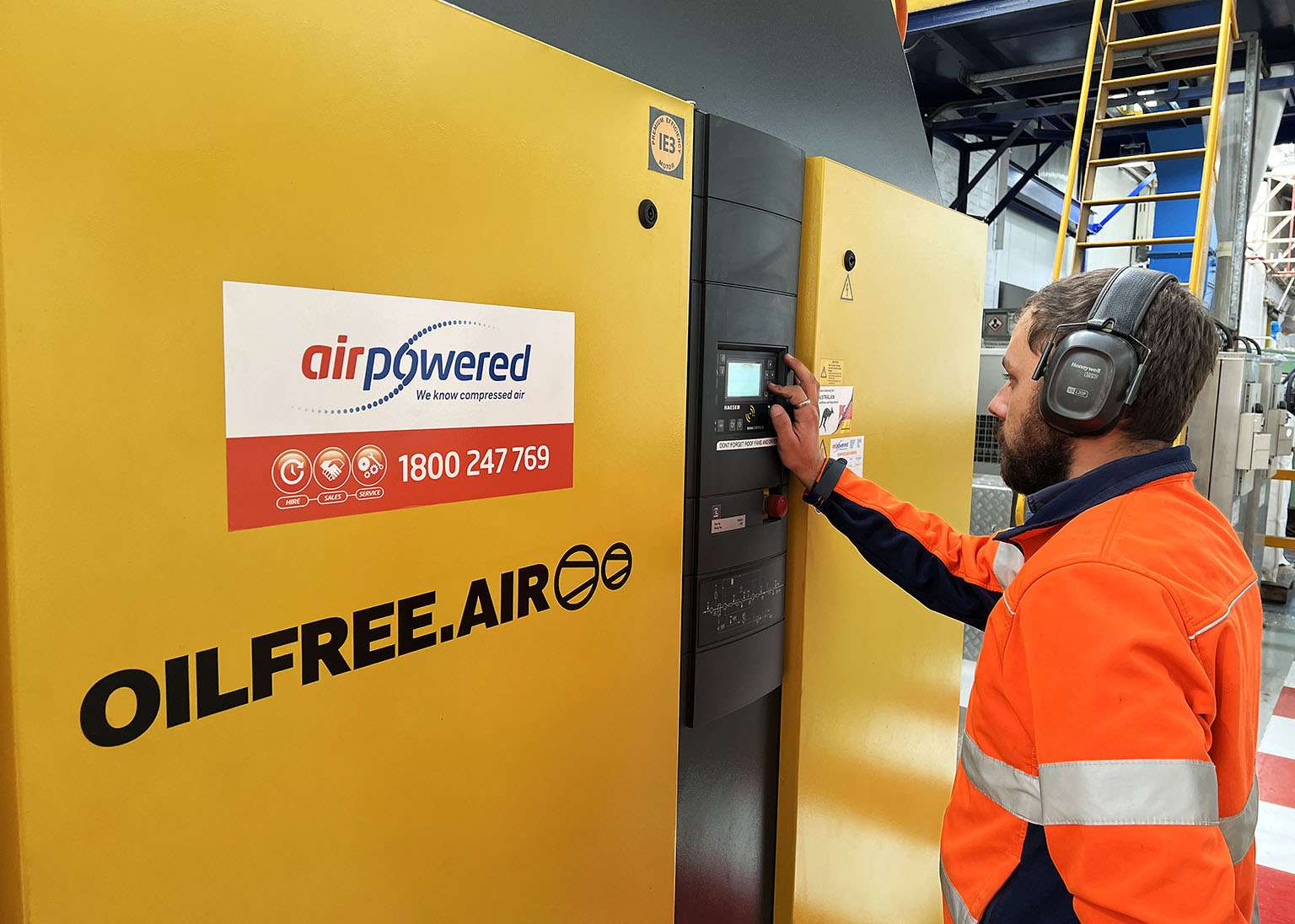
In the medical manufacturing industry, ensuring the highest standards of quality and safety is of utmost importance. One critical aspect of this industry is the use of compressed air systems. Oil-free compressors have emerged as a necessity due to their ability to maintain cleanliness and purity, essential for various medical applications. Maintaining Air Purity: Compressed air is extensively utilised in medical manufacturing processes, including pneumatic tools, air-powered machinery, and cleanroom environments. Oil-free compressors play a vital role in maintaining the purity of the compressed air used in these applications. Unlike traditional compressors that employ lubricating oil, oil-free compressors prevent the risk of oil contamination, ensuring a clean and sterile working environment. This is particularly crucial for medical manufacturing, where any trace of oil in the air supply can have detrimental effects on product quality and patient safety. Product Quality and Safety: Medical devices and equipment require uncompromising quality standards to ensure their effectiveness and safety. Oil-free compressors eliminate the risk of oil particles entering the compressed air, which could potentially contaminate sensitive components during manufacturing. By minimising the possibility of oil-induced defects or…

August 25, 2023
Tasmanian manufacturer Sea Forest is ready to take the equivalent of hundreds of thousands of cars off the road and help the red meat industry meet its net zero goals through support from the AMGC and a unique Australian species of seaweed. The seaweed asparagopsis armata has been known to have giant methane-busting potential when added in tiny quantities as a supplement for ruminant animals. Thanks to a collaborative project led by Sea Forest and aided by $675,000 in co-investment from AMGC, the company now boasts a state-of-the-art manufacturing facility at its Triabunna headquarters. “This is a great Australian idea that has now been turned into a successful commercial business via manufacturing. Through the commercialisation process, Sea Forest has developed a local product with global potential, while generating jobs and supporting global moves to reduce emissions,” said Dr. Jens Goennemann, Managing Director, AMGC. The $3.2m project took just over 18 months to complete and has created nine full-time roles and upskilled a further eight staff at Sea Forest, which has been growing seaweed at Triabunna, Tasmania since 2019. Over the coming…

August 24, 2023
Recent months have seen increased discussion on the growth of Australian research and development (R&D), with research agencies, universities and the government agreeing there is a need for greater investment in the sector. The pharmaceutical industry is one of the biggest contributors to research and development in the country and is currently a burgeoning market. This puts it in a prime position to build Australia's R&D capacity. According to the latest government figures, R&D expenditure in Australia is 1.8% of GDP, which is below the OECD average of 2.67%. Government spending specifically has been declining over the years, with an average of 0.61% of GDP since 2010-11, and only 0.17% in 2020-21. It is worth noting that Australia is currently ranked 91st on the global Economic Complexity Index, while countries in the top 10, such as Japan, Germany and the United States, all spend more than 3% of their GDP on R&D, and are considered world leaders in research. Ahead of the 2022 election, Labor pledged to work towards spending “closer to…

August 22, 2023
Coherent Corporation, a global leader in ceramics and metal matrix composites, has announced that it has developed an additive manufacturing process capable of producing advanced ceramic components for high-performance thermal management applications, including for next-generation semiconductor capital equipment. Severe shortages of integrated circuits based on leading-edge nodes have spurred massive investments worldwide in the buildout of semiconductor manufacturing facilities equipped with the most advanced semiconductor capital equipment. Coherent has successfully developed proprietary materials and technologies that enable ceramic components produced with its additive manufacturing process to match those produced with its existing molding process in their mechanical and thermal properties. Ceramic components manufactured with the new additive manufacturing process can now be precision-machined using the most advanced laser-based techniques, including those available at Coherent. These are critical for next-generation semiconductor capital equipment. Additive manufacturing is superior to molding in process capability, yield, and throughput. It requires no retooling time between components, which minimizes lead times and waste. As such, additive manufacturing is ideal for Industry 4.0 factories that are designed for resilient and flexible scaling. “Ceramic additive manufacturing enables…

August 22, 2023
The newest round of the Innovate to Grow program, coordinated by Australia’s national science agency CSIRO, will equip small to medium-sized enterprises (SMEs) in the cyber security and digital technology sectors with critical research and development (R&D) know-how to grow their businesses. CSIRO’s Innovate to Grow program links businesses to expert knowledge, resources, and mentors to help businesses validate, and develop their R&D ideas that could lead to commercial outcomes. On completing the program, eligible participants can apply to work with CSIRO’s expert researchers and access dollar-matched R&D funding through the Kickstart program. Dr Marthie Grobler, Principal Research Scientist in human-centred cyber security at CSIRO’s Data61 strongly urged eligible businesses to consider applying to stay at the forefront of research impact in these critical sectors. “SMEs are the lifeblood of Australia, and many have innovative business ideas and solutions that could help mitigate cyber security threats and deliver a positive impact to other Australian businesses and the economy,” Dr Grobler said. “These businesses tend to face a myriad of challenges in bringing their ideas to life, namely investment of money, time and resources.…

August 21, 2023
Clinical-stage biotechnology company Vaxxas, in partnership with the Queensland Government, opened its global headquarters and state-of-the-art manufacturing facility this June in Brisbane. The custom-built 5,500m² Vaxxas Biomedical Facility is a first-of-its-kind manufacturing site, designed to support the scale-up of Vaxxas’ needle-free vaccine technology platform, the high-density microarray patch (HD-MAP), for late-stage clinical trials and first commercial products. AMT spoke to Vaxxas’ Chief Technology Officer, Dr. Angus Forster, the day after the new facility opened. “It’s been an exciting couple of weeks and it was an excellent day yesterday. Queensland’s Deputy Premier, Dr Steven Miles opened the facility and we had around 80 invited guests from industry in attendance.” Vaxxas’ new facility is located in Brisbane’s Northshore and the company was previously based at the Translational Research Institute (TRI) at the Princess Alexandra Hospital Campus in Brisbane’s inner suburbs. “We are still keeping a presence at the TRI for its pre-clinical infrastructure, while our new facility is focused on manufacturing our vaccine patches for late-stage clinical trials and commercial product. It's great to still be connected with the vibrant TRI research community, as there…