



August 11, 2022
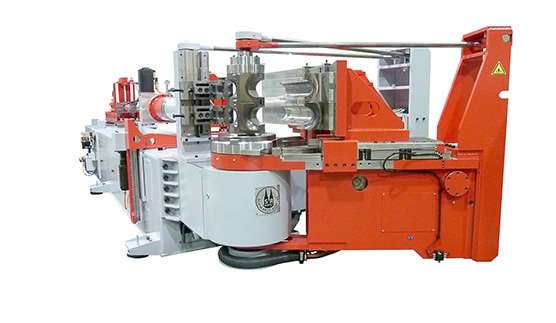
US automotive supplier H-P Products was experiencing high-stress readings due to a major job with tight bending radii of up to 1xD, short cycle times and compatibility with existing tools. The German tube bending machine manufacturer Schwarze-Robitec responded to the complex issue with a powerful CNC 160 E TB MR. The commissioning took place in the middle of the pandemic despite strict regulations. Thanks to short distances between the customer in Ohio and the Schwarze-Robitec branch in Michigan, the job was a success. Founded in 1945 and headquartered in Louisville, Ohio, H-P Products, Inc. manufactures a wide range of tubular products for large diesel engine, fire truck, construction equipment and agricultural equipment industries from air intake systems to exhaust and cooling components to structural components. To bend large tubes in particularly tight radii, the company now relies on a machine from Schwarze-Robitec. With the fully electric CNC 160 E TB MR, H-P Products is replacing another model from the German manufacturer after more than 20 years of continuous service. Schwarze-Robitec designed the CNC 160 E TB MR for two different tool sets, each…

August 9, 2022
Imagine all the things you could do with an accurate digital representation of your body. Bodd has, and the Melbourne-based company is putting it into practice. It starts with a body-scanning turntable device, which creates a complete set of measurement data via a very user-friendly, non-intrusive process. The subject simply steps onto the scanner's rotating platform, accesses the controls through a touch screen, stands with feet slightly apart and hands slightly away from the sides and rotates slowly for about a minute. Various optical lenses and data capture hardware devices then capture a broad and constantly expanding suite of possible anatomical detail. Bodd is pursuing a range of applications and markets from the worlds of clothing and customised wearable garments, through to health-related information. In the uniform retailing sector, Bodd’s technology is disruptive to existing business models and is a lead field of application. The possibility of eliminating waste in the retail fashion and…

August 8, 2022
Aaron Yeardley works as a Carbon Reduction Engineer for Tunley Engineering. He combines his role with completing his PhD in Chemical Engineering at the University of Sheffield. Yeardley specialises in gathering data from clients and performing carbon calculations to present carbon footprints. He then works with the client providing solutions to help reduce their carbon footprint. He utilises his expertise in data analytics, machine learning and python coding to achieve these goals. The fourth industrial revolution (Industry 4.0) is already happening, and it’s transforming the way manufacturing operations are carried out. Industry 4.0 is a product of the digital era as automation and data exchange in manufacturing technologies shift the central industrial control system to a smart setup that bridges the physical and digital world, addressed via the Internet of Things (IoT). Industry 4.0 is creating cyber-physical systems that can network a production process enabling value creation and real-time optimisation. The main factor driving the revolution is the advances in artificial intelligence (AI) and machine learning. The complex algorithms involved in AI use the data collected from cyber-physical systems, resulting in “smart…
August 5, 2022
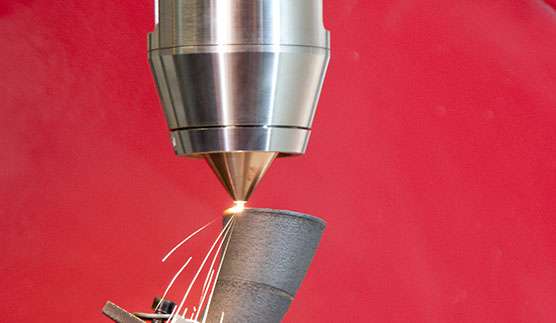
Directed Energy Deposition (DED) is making a difference to the life and usability of parts. DED focuses thermal energy to fuse materials by melting them as they are being deposited. Materials such as Stainless steels, Titanium alloys, Nickel alloys and Stellites can all be applied using this process. But the real advantages of DED processes is in the variety of industrial applications including extending the life of parts by providing wear-resistant coatings, repairing broken or damaged parts, multi-material applications, creating additional structures on pre-existing parts, and building new parts from precise complex geometry. The system that fulfills this task is BeAM Machines, first developed in France with recent operations commencing in Cincinatti USA with AddUp which offers a complimentary technology of Laser Powder Bed Fusion (L-PBF) systems. BeAM provide two models, the Modulo 400 and Magic 800. These 5 axis machines have been designed and manufactured for industrial purposes and are sympathetic to customer requests. They are modular, upgradable and offer high performance. Modulo 400 for example, has a 640 x 400 x 400 mm build volume, a process module with 5-axis kinematics,…
August 3, 2022
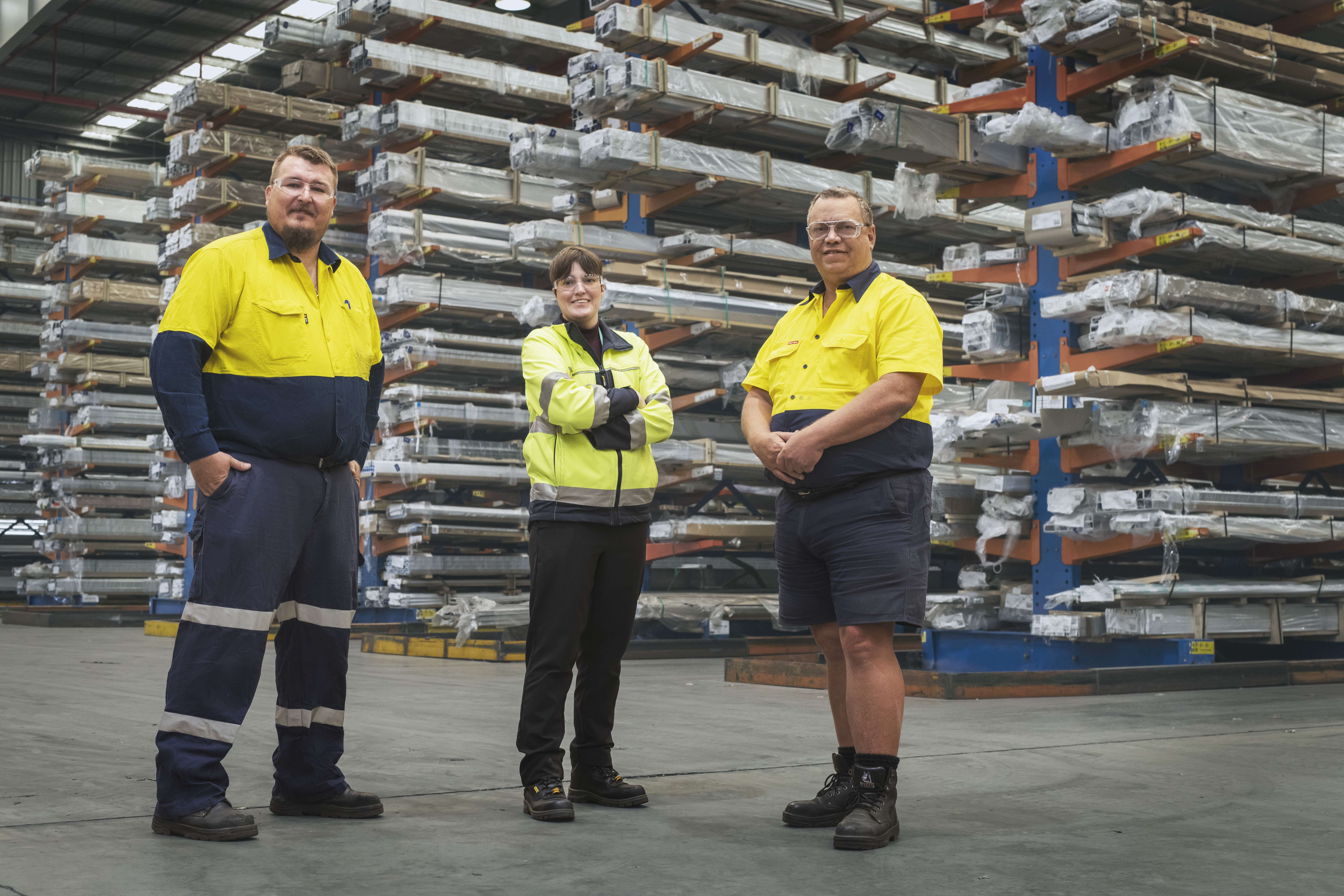
The scientific community has clearly stated the need to reach net-zero global CO2 emissions by mid-century to limit global warming to 1.5°C and to reduce the destructive impacts of climate change on human society and nature. As a major aluminium supplier, Capral’s buying strategies and corporate activities will demonstrate the goal for Capral to work towards sustainability best practice underpinned by a commitment to the United Nations SDGs. Capral recognises that in the world in which we all live, the company must act wisely to protect the environment and the broader society while working in the interests of stakeholders and customers. “We have an absolute commitment to our staff, customers, stakeholders and the communities within which our facilities operate to ensure we are eliminating sources of emissions within the value chain of our business,” says Michael O’Keefe, General Manager – Marketing & Technology, who oversees Capral’s National Sustainability Committee and roadmap. Organisations around the world are recognising that this is…

August 2, 2022
Woolworths Group is committed to removing plastic from packaging wherever it can, already removing more than 5,800-tonnes of virgin (newly made) single-use plastic and packaging from its own brand range in FY22. Where there is currently no viable alternative to plastic for food safety or quality, Woolworths Group is working to use recycled plastic to reduce the environmental impact. The partnership being developed between Woolworths Group and Pact is expected to represent a multimillion-dollar investment in local recycling and manufacturing capacity. Projections that the partnership could see 18,000-tonnes of newly made plastic replaced with locally-produced recycled plastic each year would relate to an estimated decrease in carbon emissions of almost 25,000-tonnes (equivalent to planting more than 37,000 trees) and a saving of almost 500 Olympic swimming pools-worth of water annually. The intent of the proposed partnership is to establish Pact as Woolworths Group’s key strategic partner by volume in its efforts to deliver more sustainable packaging across its own brand range and…
August 1, 2022
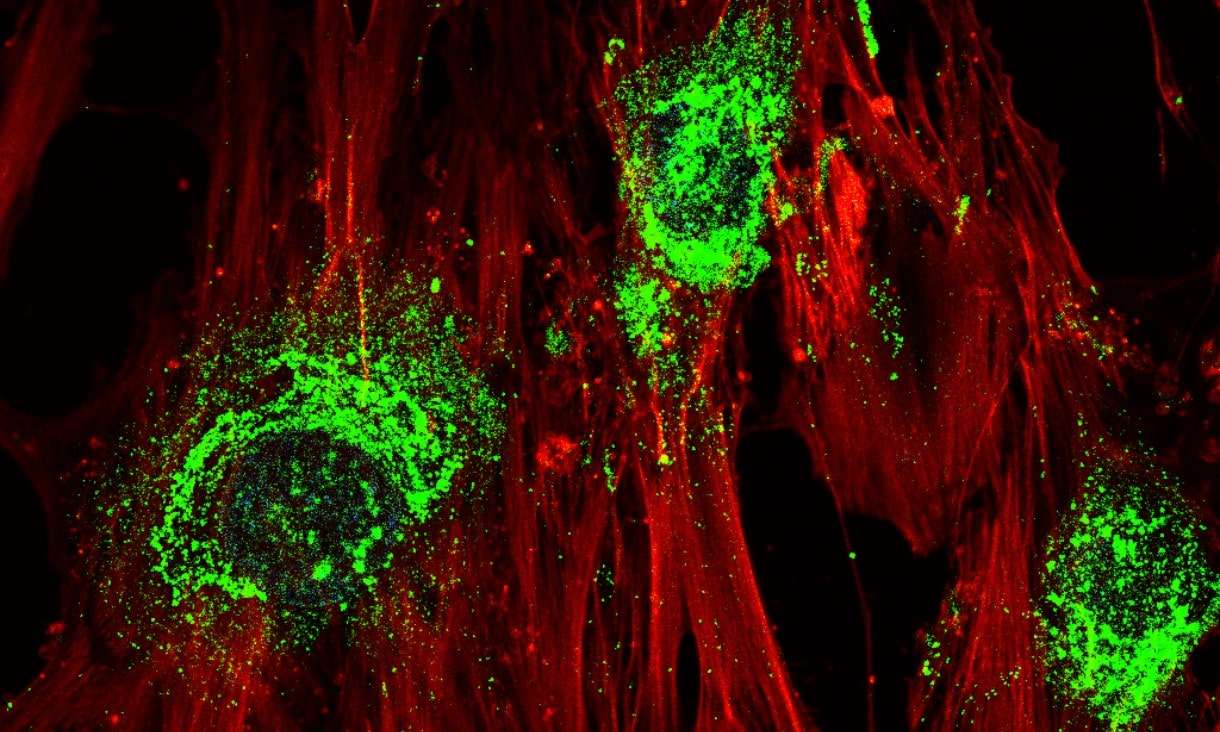
The innovative stem cell treatment from RMIT researchers offers a smart way forward for overcoming some of the field’s biggest challenges, through the precision power of high-frequency sound waves. Tissue engineering is an emerging field that aims to rebuild bone and muscle by harnessing the human body’s natural ability to heal itself. A key challenge in regrowing bone is the need for large amounts of bone cells that will thrive and flourish once implanted in the target area. To date, experimental processes to change adult stem cells into bone cells have used complicated and expensive equipment and have struggled with mass production, making widespread clinical application unrealistic. Additionally, the few clinical trials attempting to regrow bone have largely used stem cells extracted from a patient’s bone marrow – a highly painful procedure. In a new study published in the journal Small, and co-written by with first author and PhD researcher Lizebona August Ambattu, the RMIT research team showed stem cells treated with high-frequency…

July 28, 2022
Rockwell Automation Inc. and the University of Melbourne are collaborating to help companies in the manufacturing and resources industries use digital innovation to reach their decarbonisation goals. The organisations have signed a Memorandum of Understanding (MoU) to collaborate on research activities, jointly develop training and work together to help solve real-world challenges presented by industry. Rockwell Automation will contribute engineering resources and product training to the project. The University of Melbourne will bring its academic and research expertise and world-class innovation infrastructure. Anthony Wong, regional director, South Pacific, Rockwell Automation, said the MoU marks an important new phase that will benefit industry. “Decarbonisation is now front of mind for Australian industrial companies,” Wong said. “They know they must act to remain attractive to consumers and meet compliance targets, but they often don’t know how to start or where to focus their energies for the greatest returns,” He continued, “Rockwell Automation and the University of Melbourne are coming together to share our expertise and explore practical solutions to this challenge.” The University of Melbourne will provide research expertise, and academic and…
July 27, 2022
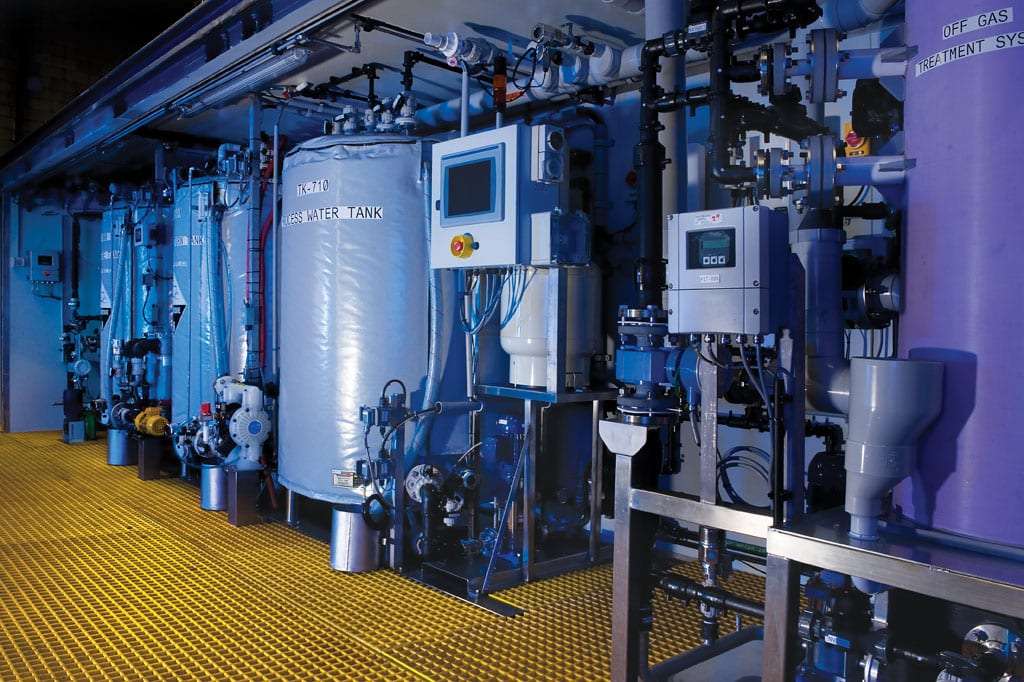
The University of Adelaide’s industry partner PhosEnergy has received a grant under the Federal Government’s Cooperative Research Centres Projects (CRC-P) Grants scheme to work with the University on the development of next-generation nuclear batteries. The University's Deputy Vice-Chancellor (Research), Professor Anton Middelberg said: “This latest funding will help University of Adelaide experts to work with our industry partner PhosEnergy on research that will directly improve the capability of the defence and space sectors. “This funding will help our defence forces have access to cutting-edge technology that will help to ensure the safety of our nation and that of our trusted allies. “A long-life, reliable, maintenance and fuel-free power system for low-Earth orbit, lunar and deep-space applications is critical for enabling the next phases of space exploration.” “The burgeoning space industry and increasingly sophisticated remote defence sites where power-hungry technology is located are creating enormous demand for long-life, fuel-free power sources,” said Bryn Jones the Managing Director of PhosEnergy. A grant of $2,427,689 will be used to further develop PhosEnergy’s long-life, reliable, maintenance and fuel-free nuclear battery technology for space and defence industries…

July 21, 2022
33.BI-MU is the international biennial exhibition of machine tools, robotics and automation systems, additive manufacturing, and digital and auxiliary technologies. Plus Xylexpo, a biennial exhibition of woodworking technology and components for the furniture industry. Along with Viscom Italia, Europe's leading visual communication trade fair, all kick off concurrently on the second week of October 2022 at Rho-Fiera Milano Expo centre. The fully integrated BI-MU and Xylexpo events, starting Wednesday, Oct. 12 until Saturday, Oct. 15; Viscom Italia takes the stage Thursday, Oct. 13 until Saturday, Oct. 15, in Halls 8/12. The organisers’ decision to co-ordinate the overlap of their event calendars, matches perfectly to give fair participants’ the chance to grab all the opportunities available, giving visitors the possibility to participate simultaneously at all three events. In a scenario that has highlighted the need for greater dialogue and the desire to once more come together to discover the latest sector innovations - being fully aware, that only innovation is the key to bringing the market back to life again, access to one event opens the doors to the other events. Thanks to the three…
July 12, 2022
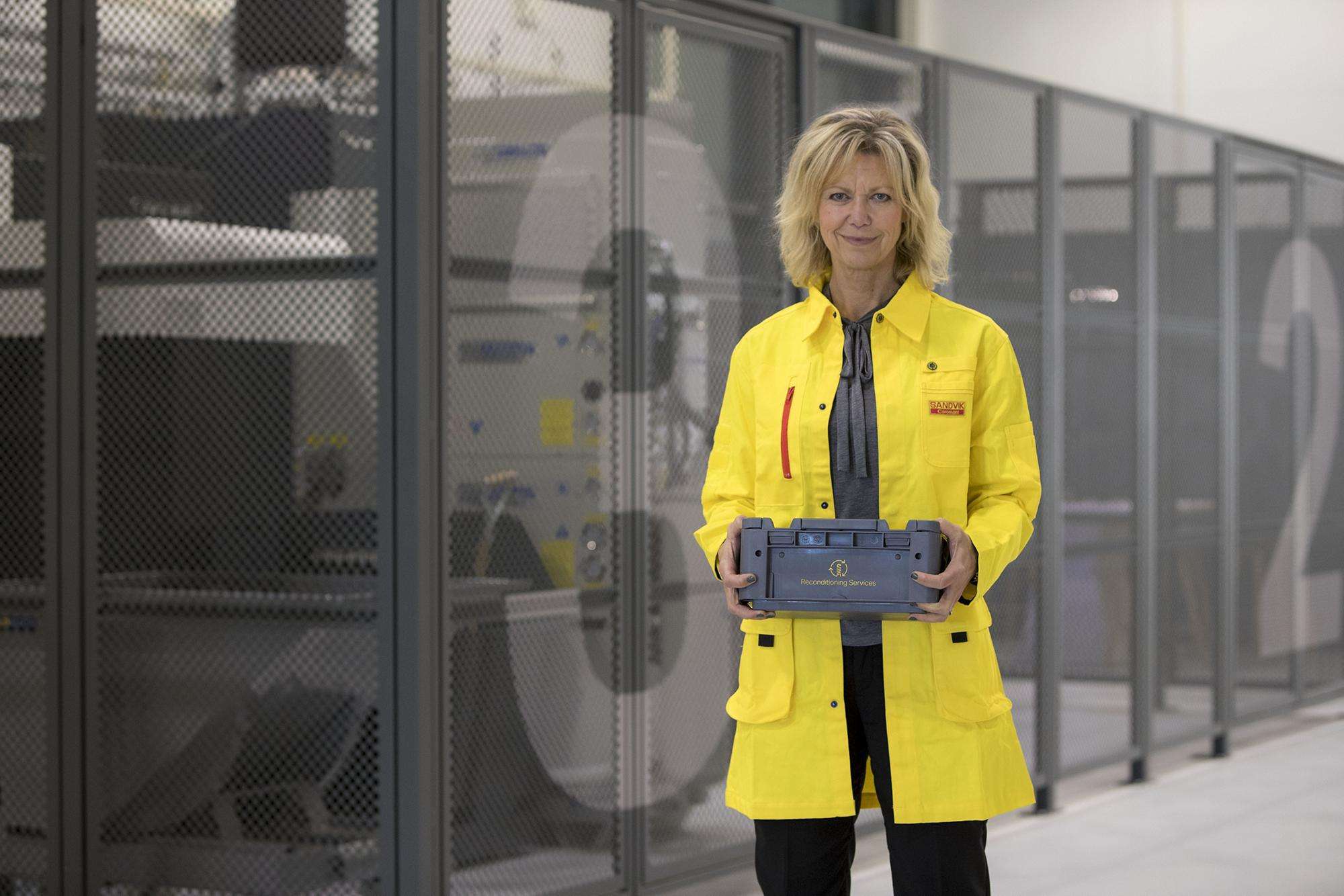
As a society, we’re all working towards shared sustainability goals. Whether that’s to limit global warming as outlined in the Paris Agreement, to make the switch to electrified transport, or as part of nation-specific net-zero targets, the world shares a common objective. Manufacturing needs data-led sustainability goals. In addition to focusing on global goals, manufacturers should have their own sustainability targets and crucially, these must be led by data. The Friedman doctrine also called shareholder theory or stockholder theory is a normative theory of business ethics advanced by economist Milton Friedman. In it, Friedman defines the sole purpose of a corporation as to create the greatest profit possible for shareholders. Today, this explanation is dated and arguably irresponsible. Businesses still want their efforts to generate profit, that’s non-negotiable. However, profit cannot come before people and the planet. Companies of all sizes, from all industries, are now focusing on another non-negotiable…
July 8, 2022
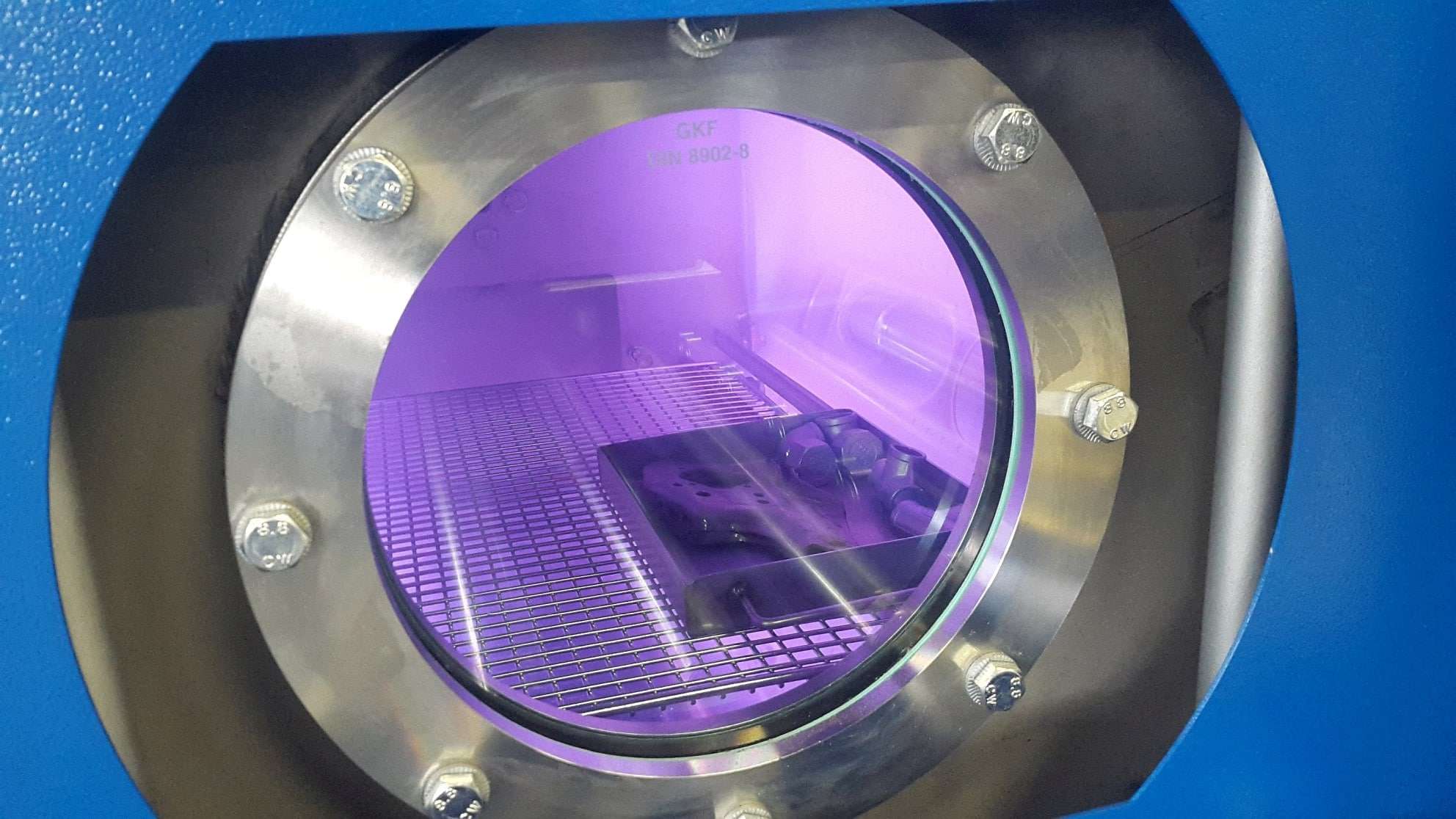
Due to changed manufacturing, joining and coating technologies and more stringent regulatory specifications, there are stricter requirements for particulate and film-type part cleanliness. To reach these values in series production in a process-reliable and efficient way, not only cleaning and drying processes meeting demands and suited system technology, also software implementation and cleaning environment must be adapted accordingly. Whether production equipment for the semi-inductor industry, biotechnology, laser and sensor technology, devices for measuring and analysis technology, components for accumulators and fuel cells, optical systems or metal cutting tools, the requirements for performance and reliability are extremely high. This not only leads to high demands in terms of production precision of the parts but also their cleanliness. For medical technology products such as implants, instruments, cannulae, and endoscopes, particulate and film-type contamination from manufacturing processes is an essential criterion due to regulatory specifications. Moreover, there is a trend for miniaturisation and functional integration with ever smaller and more complex components. These developments entail that particulate cleanliness specifications in the micrometre and even nanometre ranges,…
July 6, 2022
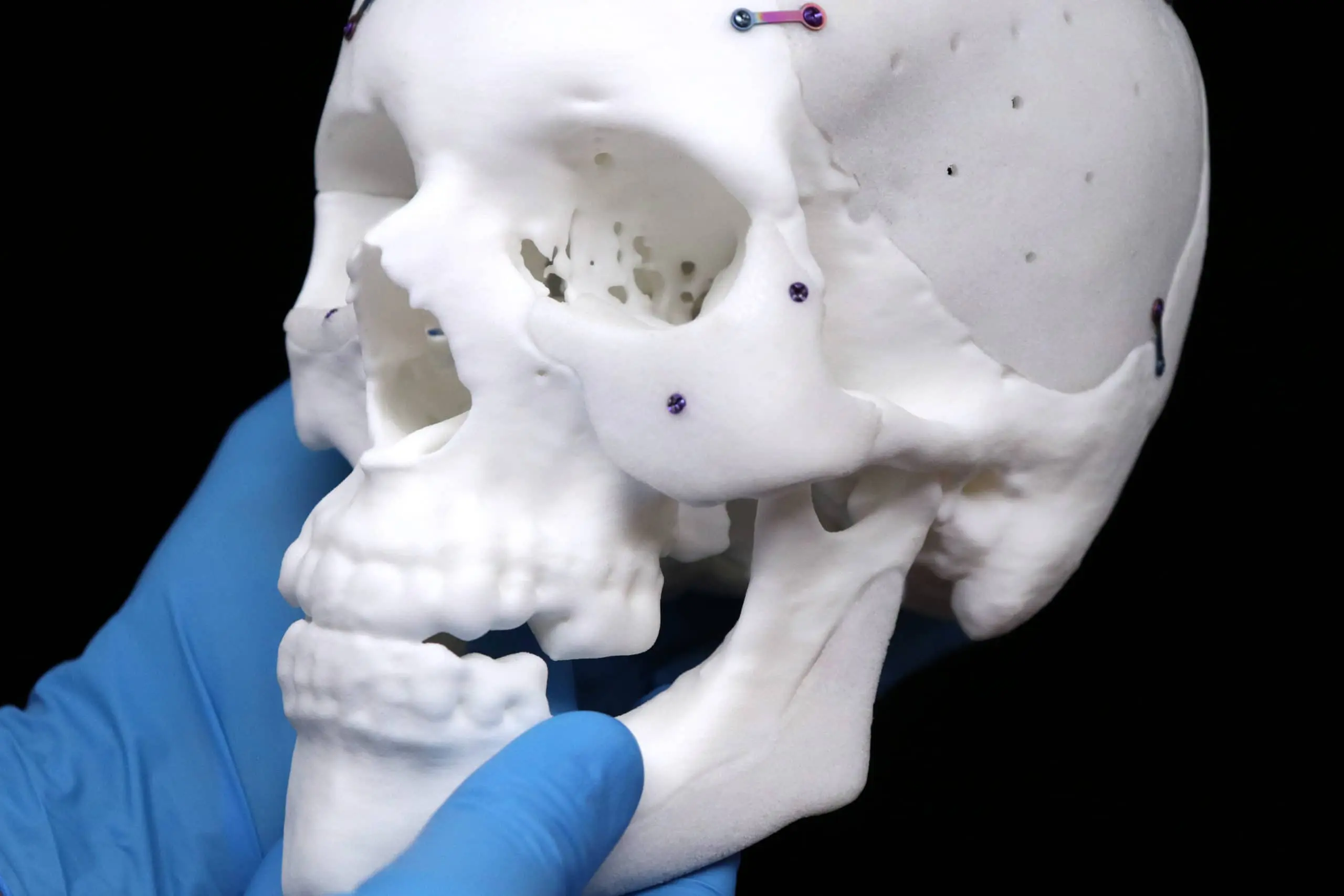
Medical devices’ internet and network connectivity, enables information sharing and treatment delivery. It does however expose medical devices to potential cybersecurity risks and threats, advises the Medical Technology Association of Australia (MTAA) on its website’s regulatory summary: Cybersecurity for medical devices. These threats can be reduced and managed by good cybersecurity practices, with all stakeholders involved in the design, manufacture and use of medical technology, responsible for cybersecurity. Director for Government Affairs, Australia/New Zealand at Abbott, Paul Davies chairs the MTAA’s Cybersecurity Working Group (CSWG). Abbott is a global healthcare company with a diverse range of businesses and products in diagnostics, medical devices, nutrition and branded generic medicines. “Any MTAA member can contribute to the CSWG and it’s represented by med-tech majors, SMEs and software developers, whose products are used in hospital systems. We also liaise with the Australian Cybersecurity Centre which provides a link between the Australian Government and the private sector. “One of…