



January 7, 2025
The Gaia EnviroTech business is the Bioenergy and Waste Management division of Gekko Systems, based in Ballarat, Victoria. The company has partnered with Jock Charles from the Berrybank Farm, who has successfully operated an Anaerobic Digester (AD) on piggery effluent in the Ballarat region for 30 years. The modular biodigester design was developed by Gaia EnviroTech and is manufactured onsite at their local facility. The expandable configuration is targeted to treat 5-20k tpa organic waste and upwards. Objectives The system in this case study was installed as a 12-month research and development project to establish the viability of an anaerobic digestion plant designed to convert dairy effluent to energy and minimise odour. The secondary objectives were to increase the nutrient value of the manure and ease handling constraints (e.g. allow longer-term storage). This was required to provide the dairy with a viable option for future herd expansion. The family-owned dairy houses cattle in a large shed and periodically takes them to pasture. In addition to milk production, potatoes are grown on-site and benefit from the nutrient value of the manure.…
January 3, 2025
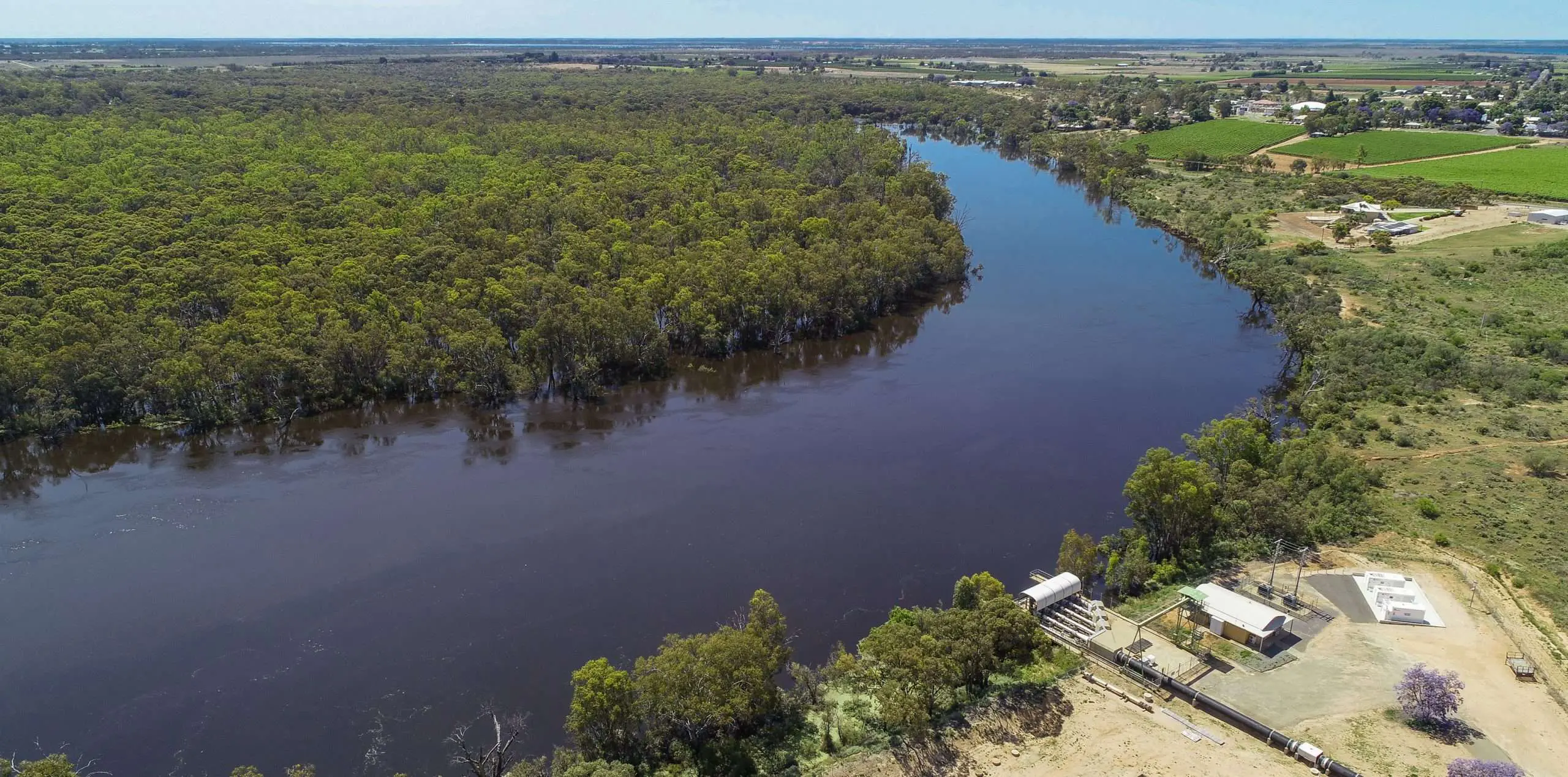
Enel X is the only contracted party to provide 95MW of Demand Response firming capacity in NSW, to help meet the energy security target. With increasingly challenging grid conditions due to weather conditions, low wind and hydro output, coal outages, and spiking electricity prices, flexible demand is an increasingly critical resource for firming the grid and putting downward pressure on electricity prices for all consumers. Businesses and organisations in the greater Sydney region can provide flexible demand—the inherent ability to adjust when grid power is used—as part of Enel X’s Virtual Power Plant (VPP) to help ‘firm’ the grid and keep the lights on. Firming capacity helps the grid integrate renewable energy assets safely. Participants are paid both for committing to be available and for reducing grid energy consumption for set periods, generally only a few times a year. “Western Murray Irrigation has supported the grid across multiple Demand Response programs with Enel X’s VPP since 2020,” said Judith Damiani, Chief Executive of Western Murray Irrigation. “Participation is straightforward and works well for us. An automated system…

December 18, 2024
In a move set to strengthen Australia's domestic manufacturing sector, Capral Aluminium has entered into a strategic supply partnership with Tindo Solar, Australia's only solar panel manufacturer. This collaboration will see Capral supply extruded aluminium for Tindo's locally produced solar panels, with the potential for further expansion to support Tindo's future Gigafactory. This partnership marks a significant step for both companies as Tindo scales its operations to meet increasing demand. The initial supply arrangement signals a shift by Tindo towards prioritising local suppliers in the renewable energy sector. Capral operates several aluminium extrusion plants across the country and is recognised within the Australian market as a leader in the supply of 'LocAL' lower carbon aluminium. This partnership aligns with Capral's commitment to sustainability and supporting Australian industries. "Capral's collaboration with Tindo is a testament to the strength of Australian manufacturing,” said Luke Hawkins, Capral's Divisional General Manager of Industrial and Supply Chain. “While our initial focus is on meeting Tindo's current production needs, we are particularly excited about supporting their future Gigafactory with locally extruded aluminium. This…

December 11, 2024
Jaunt is an automotive workshop reinventing four-wheel drives and classic cars through electric conversion. Swapping engines from internal combustion to electric allows people to enjoy their vehicles while reducing their environmental impact. Despite the political word salad in 2019 Canberra about electric cars ‘ruining the weekend’, Australia has been converting cars to electric since the 1970s. In fact, the Australian Electric Vehicle Association (AEVA) is one of the oldest electric vehicle associations in the world. Dave Budge and his business partner Marteen Burger had “worked together with some great engineers and designers on making emerging tech beautiful and saleable,” explained Budge. “We both enjoyed camping and four-wheel-driving. I owned a Land Rover, but I wished it was electric, and there was no electric 4x4 on the market.” Budge had worked as a consultant with Holden and General Motors globally for a long time, which familiarised him with automotive sales stats. “Australia buys more four-wheel drives than anyone else, and the only electric cars were sedans…
December 8, 2024
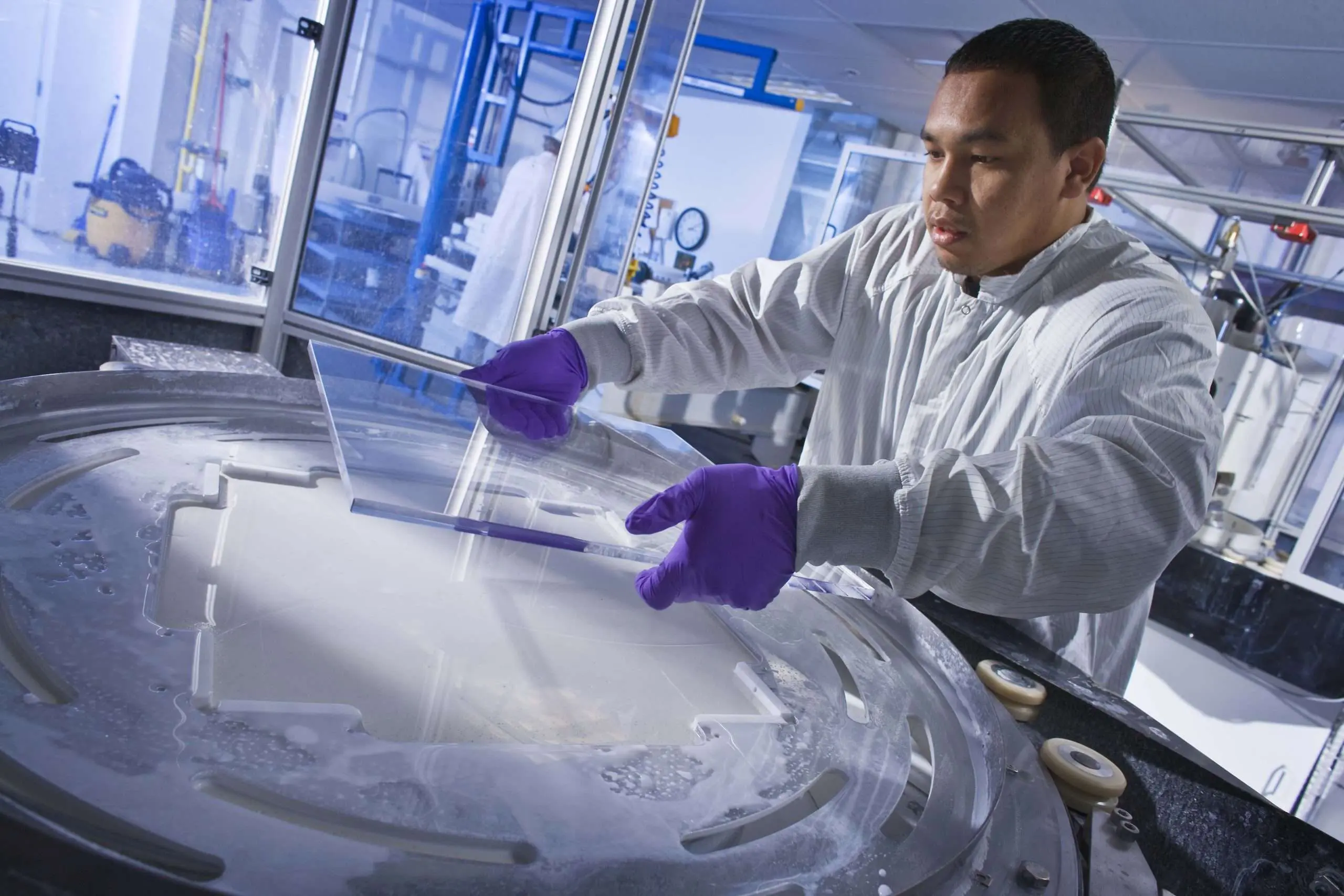
Many factors contribute to the successful manufacture of vacuum windows. Understanding and using cutting-edge technology, quality control via state-of-the-art metrology tools, and material properties are critical to their design and manufacture. Combined with a culture of innovation and in-depth and broad experience in precision optics manufacture, these technical capabilities can be honed to ensure optimal vacuum window manufacturing. What are vacuum windows? Vacuum windows are components designed to separate different environments while allowing light to pass through. They are commonly used in applications where a controlled atmosphere, such as a vacuum, must be maintained on one side of the window while allowing optical observation or the passage of laser beams. They are made from materials with high transparency to specific wavelengths of light and excellent mechanical strength. Common materials including fused silica (known for its low thermal expansion and high transparency in the ultraviolet to infrared range), sapphire (extremely hard and durable, suitable for harsh environments), borosilicate (excellent thermal resistance, low thermal expansion, and high chemical durability); and Zinc Sulfide (high transparency…
November 26, 2024
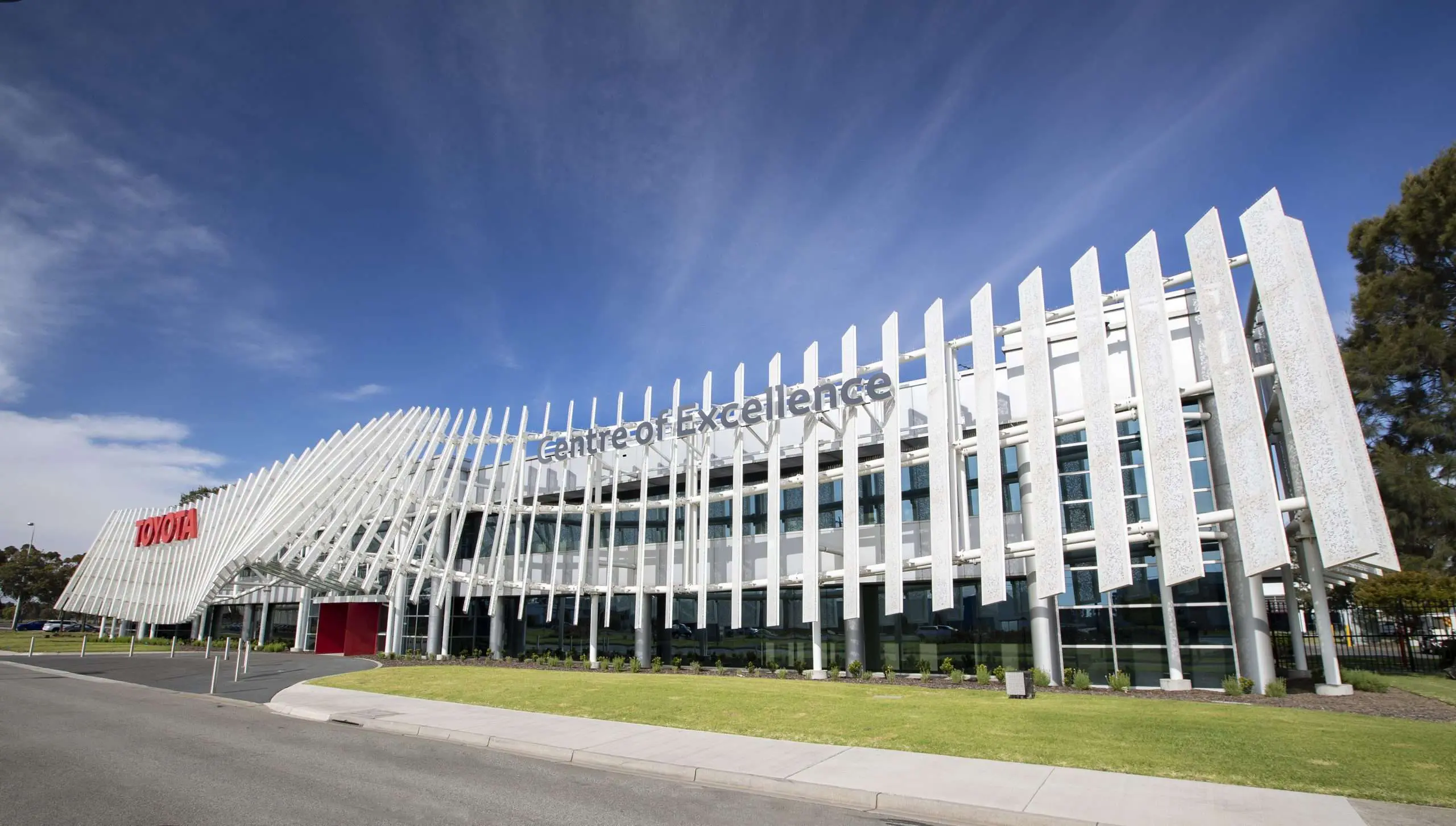
The Toyota Hydrogen Centre, Victoria’s first commercial-grade permanent hydrogen production, storage, and refuelling facility, is set to use green hydrogen production capabilities for automotive, transport, and even buildings. It is located at the Toyota Centre of Excellence (COE) at Toyota’s former car and engine manufacturing site in Melbourne's west. The COE also incorporates product development, design, testing training and other essential functions. Toyota’s global vision for a sustainable hydrogen society recognises the importance of hydrogen as a viable and plentiful source of carrying and storing energy. Toyota’s Hydrogen Centre opened five years ago and was Victoria's first commercial-grade permanent hydrogen production, storage and refuelling facility. It is housed at Toyota’s former manufacturing site at Altona in Melbourne's west. “Hydrogen is produced on-site by a 250kW electrolyser that uses electricity to split water into hydrogen and oxygen components and can produce up to 80kg of hydrogen per day,” advises Toyota Australia’s Carbon Policy Lead, Andrew Willis. “Power for the electrolyser is drawn from the on-site 3.4MW solar array and the grid, depending on what is available. “An on-site refueller…

October 30, 2024
Australia’s national science agency, CSIRO, has opened a $6.8m facility in Clayton, Victoria. The facility is dedicated to bringing its printed flexible solar technology out of the lab and into the real world, helping to meet the growing demand for renewable energy across sectors. CSIRO’s flexible solar cells are printed on thin plastic films, unlike traditional silicon solar panels. This makes them lightweight and portable, making them suitable for various applications in urban construction, space, defence, mining, emergency management, disaster relief, and wearables. CSIRO Executive Director, Digital, National Facilities and Collections, Professor Elanor Huntington, said the cutting-edge CSIRO Printed Photovoltaic (PV) Facility is the newest addition to CSIRO’s suite of critical infrastructure that enable the industries of tomorrow – in this case, a thriving Australian flexible solar manufacturing industry. “Through CSIRO’s new Printed PV Facility, industry partners can access both researcher expertise and specialised equipment to improve and apply flexible solar technology in novel ways, anywhere there is sunlight,” Professor Huntington said. “It’s exciting to see the techniques that enabled another great CSIRO invention…
October 18, 2024
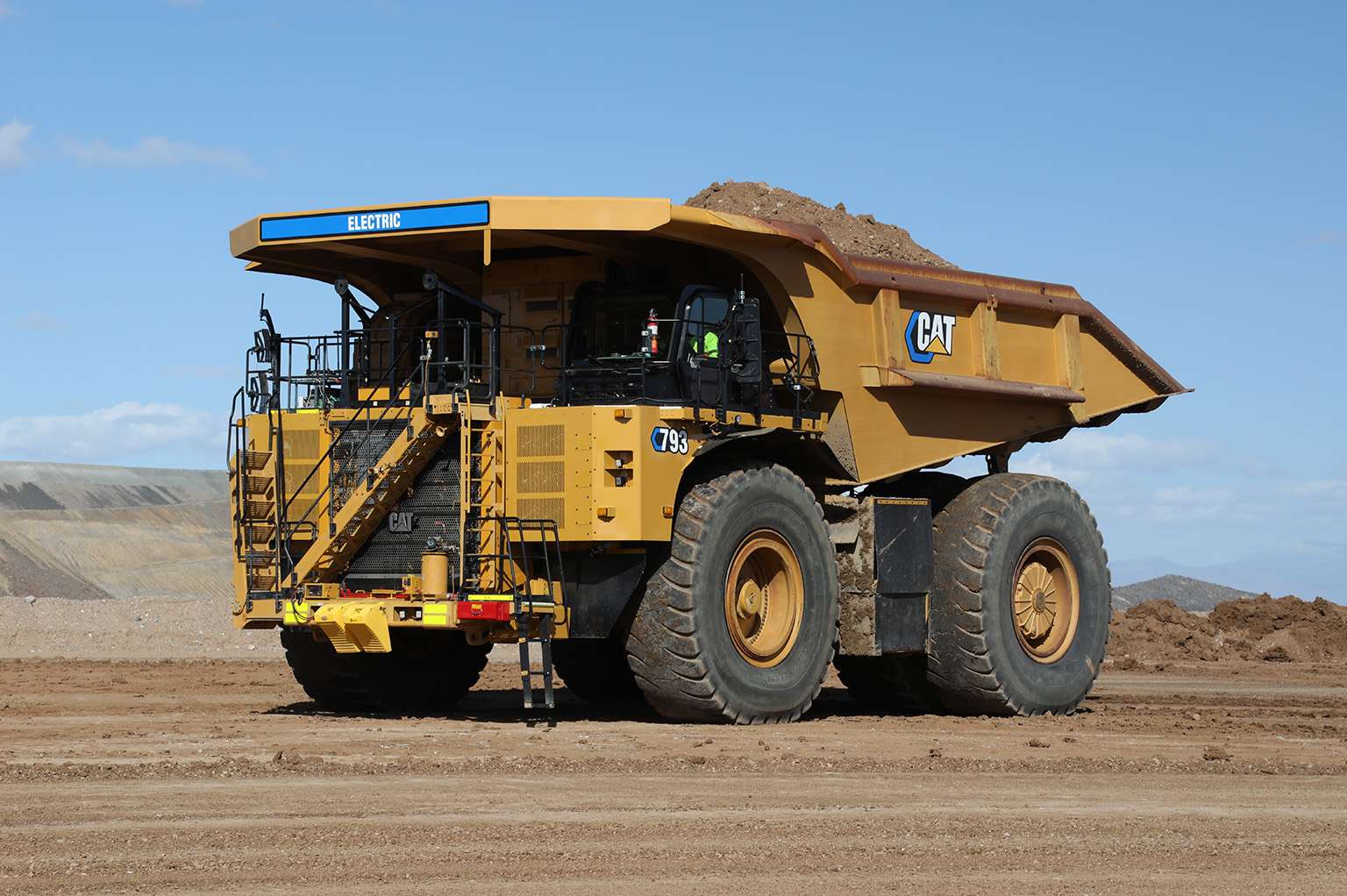
Electric cars are becoming increasingly common on Australian roads, and industrial players are investigating their use in commercial fleets, with one recent study from the University of Michigan finding electric trucks can reduce air pollution and greenhouse gas emissions by between 13% and 35% Research firm IDTechEx expects electric trucks to become a US$15bn industry. Could the same change transform mining? If so, we're a long way off—a 2022 study said only 1% of industry power came from electricity—but plans are accelerating. Several Australian industry players and their supply chain partners are members of the Electric Mine Consortium, a think tank driven by the mission to accelerate progress towards a fully electrified zero-CO2 and zero-particulates mine. As a spokesperson from automation technology provider Rockwell Automation told us, mine site tools are fertile ground for adopting wide-scale electric power. “Most mines are in places with lots of renewable energy, and many are a long way from the grid and have to run generators,” he said. “It's…