



May 12, 2026
Recognised as Australia’s premier event for the precision manufacturing, engineering and related industries, AMW 2026 brings more than 230 exhibitors together under one roof. From the moment doors open, attendees can see advanced manufacturing solutions operating live, gaining direct and practical insight into how today’s technologies are being applied on the factory floor. With the theme Manufacturing the Future Through Tech Innovation, AMW 2026 reflects the growing urgency for manufacturers to improve productivity, competitiveness and resilience in a rapidly changing global environment. The event is designed to support informed decision-making, allowing manufacturers to compare technologies side by side and engage directly with solution providers. “Australian Manufacturing Week is where technology meets reality,” said AMTIL CEO Lorraine Maxwell. “By bringing together such a broad range of technologies and demonstrating them live, the event enables manufacturers to have meaningful, informed discussions about what will deliver real value in their own operations.” Live technology, in one place Across…

May 6, 2026
Effective 1 July 2026, the partnership brings specialist publishing expertise and established production timelines to AMT Magazine, ensuring the publication continues to deliver high‑quality editorial outcomes for industry. AMT Magazine has long been recognised as the industry’s magazine. Developed by industry, for industry, it is a trusted source of insight, education and support for Australia’s manufacturing technology community. Through this partnership, AMTIL retains full ownership of the AMT brand and maintains final editorial approval on every edition, while Executive Media delivers production and publishing support. Executive Media brings more than 50 years’ experience in producing high‑quality industry publications, providing added capability and scale to support the magazine’s ongoing success. Continuing strong editorial focus and member value AMT Magazine is published four times per year and remains one of the most effective channels for AMTIL members to share expertise, showcase capability and reach thousands of decision‑makers across the sector. Under the new arrangement, AMTIL’s Team will continue to coordinate all…
May 4, 2026
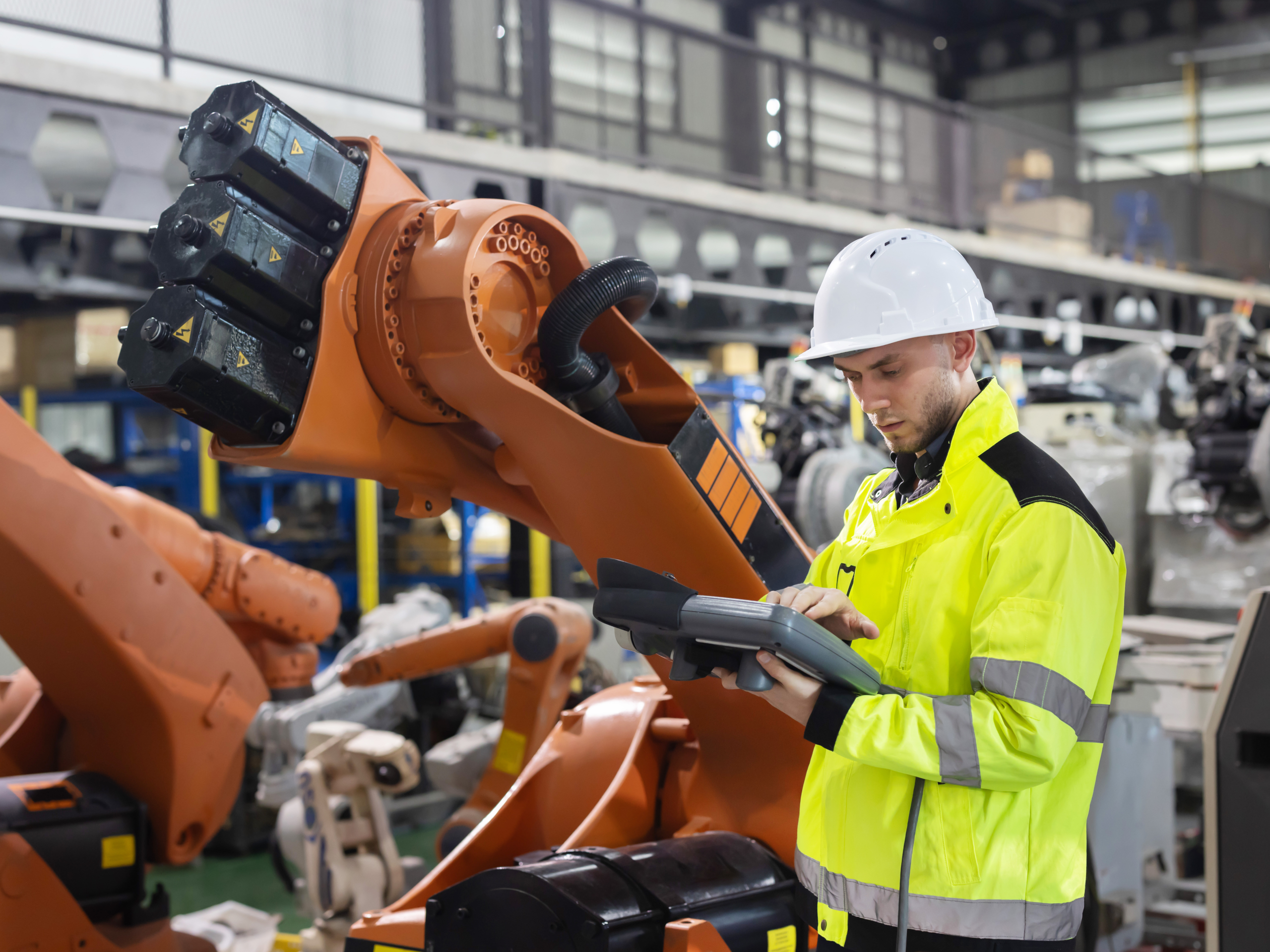
**This story originally appeared in the April 2026 edition of AMT Magazine** Manufacturers tend to see their biggest financial calls as separate moments—a research and development (R&D) application here, a capital expenditure decision there, a restructure when succession becomes unavoidable. But for William Buck business advisory principal Jeremy Raniti and R&D Tax Incentives & Grants principal Berrin Daricili, these choices should not be made in isolation. Ahead of the Australian Manufacturing Week workshop entitled “Manufacturing Growth Engine: Funding, Forecasting & Future Wealth”, which they will host alongside William Buck wealth advisory partner Scott Montefiore, the principals say they aim to help businesses structure themselves for the long term. “We're not just focusing on the present moment – there's so much happening, and the economy is dynamic, the landscape is always changing,” Raniti says. “Whether businesses are in that startup phase, in growth, or they're mature – at each of those steps, there's a different set of support and…
April 29, 2026
Early 2026 is already revealing clear manufacturing patterns across Asia‑Pacific. Digital maturity, physics‑aware engineering tools, workforce pressure and sovereign capability are converging in ways that raise both opportunity and risk for Australian industry. Investment continues to flow toward higher‑value production, expectations around digital capability are rising, and manufacturers are being asked to deliver greater complexity with tighter labour constraints and slimmer margins. One additional factor is sharpening decision‑making across the region: energy. Volatility in global energy markets has re‑emerged as a material consideration for manufacturers, influencing not just operating costs but assumptions about reliability, scaling and investment risk. Few industry leaders are currently planning on a rapid return to stable or predictable energy conditions, and that uncertainty is increasingly shaping how businesses think about productivity, automation and where critical capability should sit. In this environment, efficiency,…
April 27, 2026
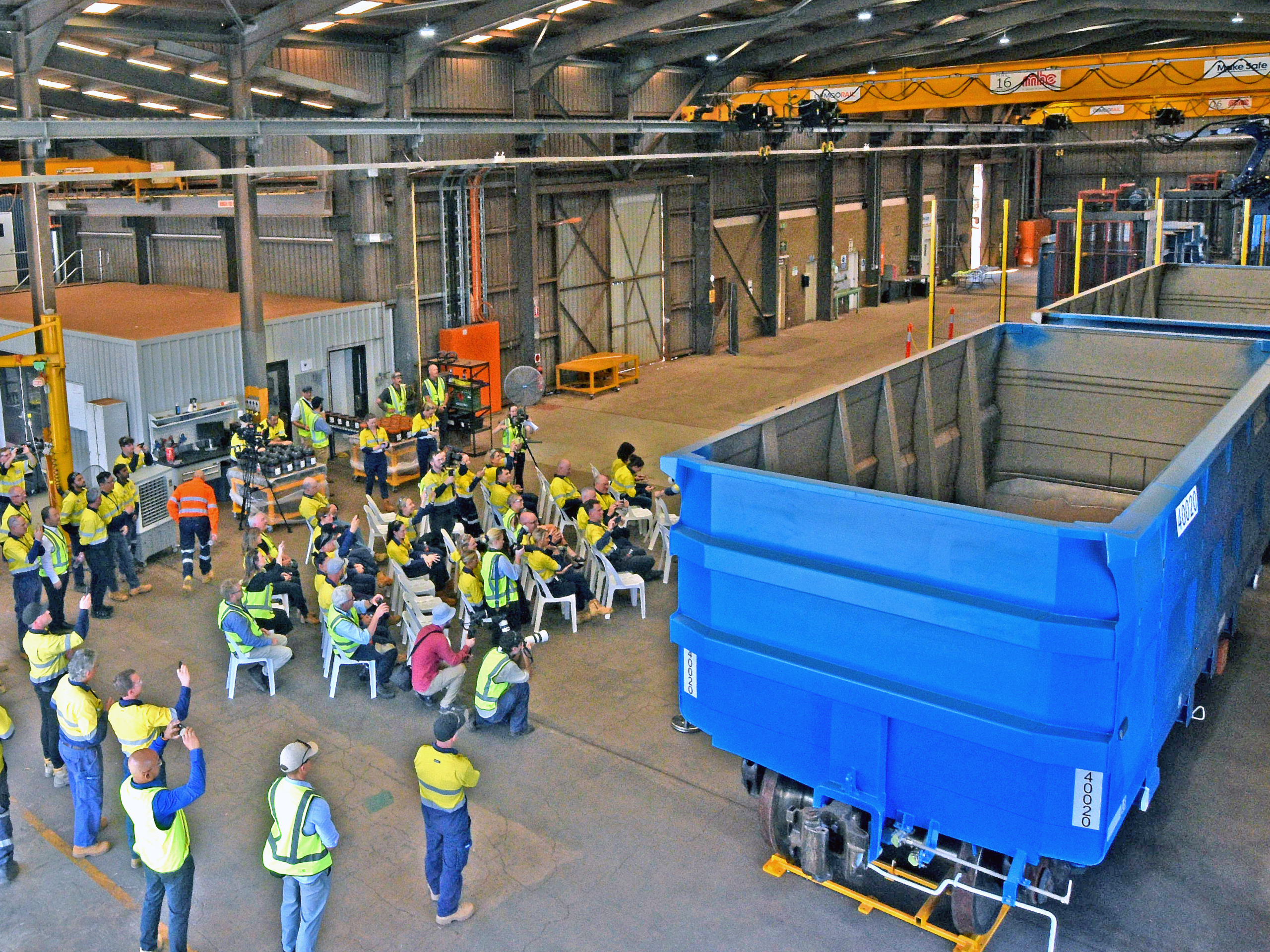
**This story originally appeared in the April 2026 edition of AMT Magazine** Robotic Automation system supports first locally built iron ore rail cars in the Pilbara A large-scale Motoman Yaskawa robotic welding system has played a crucial role at Gemco Rail’s purpose-built Karratha facility, as the region’s first locally built rail wagons go into service. Supplied and commissioned by local distributor Robotic Automation, the welding system sits within a A$150 million local manufacturing partnership between Rio Tinto, Gemco Rail and CRRC Qiqihar Rolling Stock Co. Ltd, aimed at delivering 100 heavy‑duty iron ore wagons to projects in the region. The investment is designed to strengthen regional supply chains, expand domestic fabrication capability and reduce reliance on overseas wagon manufacturing. Robotic Automation says the advanced welding system was engineered specifically to meet the scale and demands of rail‑car production in one of the most challenging industrial environments in the country. “By enabling local production of high-quality iron ore rail wagons, robotic welding improves weld consistency, enhances safety and supports sustainable regional growth,” the company says. Gemco Rail required a system capable of producing large, fatigue‑critical structural…
April 21, 2026
**This story originally appeared in the April 2026 edition of AMT Magazine** With changes to the Corporations Act enforcing mandatory sustainability reporting coming into effect last year, the question for many is how to build a report that stands up to stakeholder scrutiny and actually improves the business. That’s the focus of William Buck principal, business advisory, Samantha Zebrowski, who will lead a session at Australian Manufacturing Week session titled Navigating Mandatory Climate Reporting and Your First Sustainability Report. The rollout of the new sustainability reporting framework began on January 1, 2025, affecting companies with two of three of either a consolidated revenue of $500 million, consolidated gross assets of over $1 billion or over 500 employees. The second stage of the rollout – to companies with two of three of either $200 million in revenue, $500 million in assets or 250+ employees – is set to start from 1 July this year. A third group, earning $50 million or more, with assets of $25 million or…
April 16, 2026
**This story originally appeared in the April 2026 edition of AMT Magazine** Australian manufacturing is a sector built for this moment. The challenges are real, the pressures are well documented, but so is the opportunity, and it is bigger than many people recognise. Let’s start with the fundamentals. Australian manufacturing is our sixth-largest industry, contributing $137 billion in value-added output and employing 930,000 people. It generates 12.4% of our exports and accounts for 7.9% of national capital expenditure – outsized contributions for a sector representing just 5.1% of GDP. Critically, it is also Australia's most R&D-intensive industry, reinvesting 4.1% of value-added back into research and development. These are the numbers of a sector with genuine strength, deep capability, and a proven capacity to innovate. Yes, 2024 was a difficult year. After a strong post-pandemic rebound, conditions tightened as a sluggish domestic economy weighed on demand and global supply chains normalised. But the sector has navigated far harder periods than this, and the transformation underway is one we…
April 14, 2026
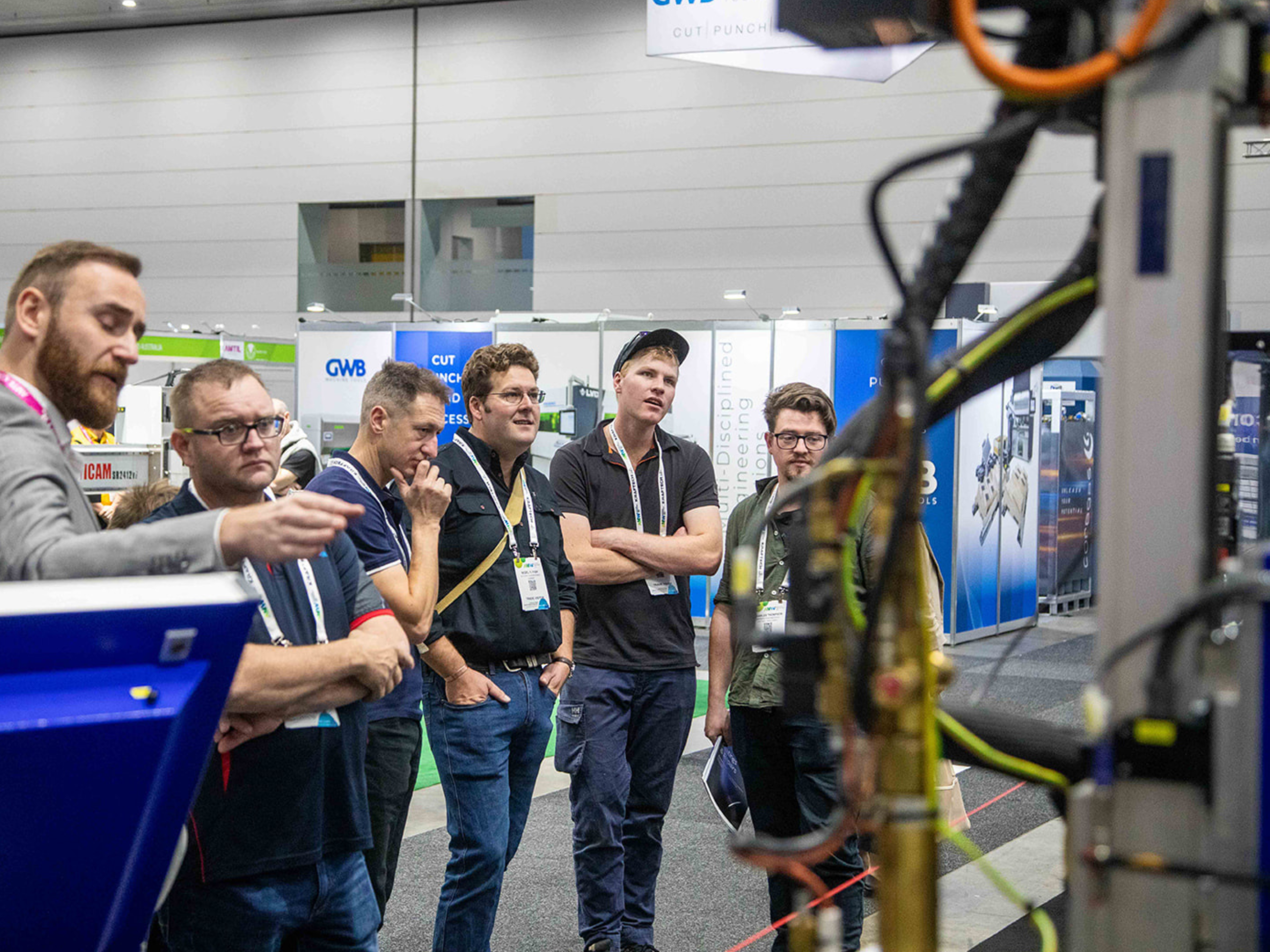
**This story originally appeared in the April 2026 edition of AMT Magazine** Marking a milestone moment for Australia’s premier event for precision manufacturers and hosted by AMTIL with support from the Queensland Government, AMW brings together the nation’s most comprehensive display of advanced manufacturing technology. With a sold-out exhibition floor and a program designed to help Australian industry move faster, build capability, grow and diversify, AMW is expected to impress. Over more than 25 years, AMW has evolved into the definitive platform for evaluating world-leading equipment, gaining practical insight and making high-value connections. The 2026 edition extends that legacy to Queensland for the first time, reflecting the State’s growing prominence across defence, resources, aerospace, clean energy technologies and precision engineering. “Manufacturing is evolving rapidly across Australia, and Queensland is no exception,” said Lorraine Maxwell, CEO of AMTIL. “Queensland is home to a growing number of innovative manufacturers. AMW 2026 will highlight the strength of this local industry while continuing to serve as a national platform for showcasing excellence…
April 13, 2026
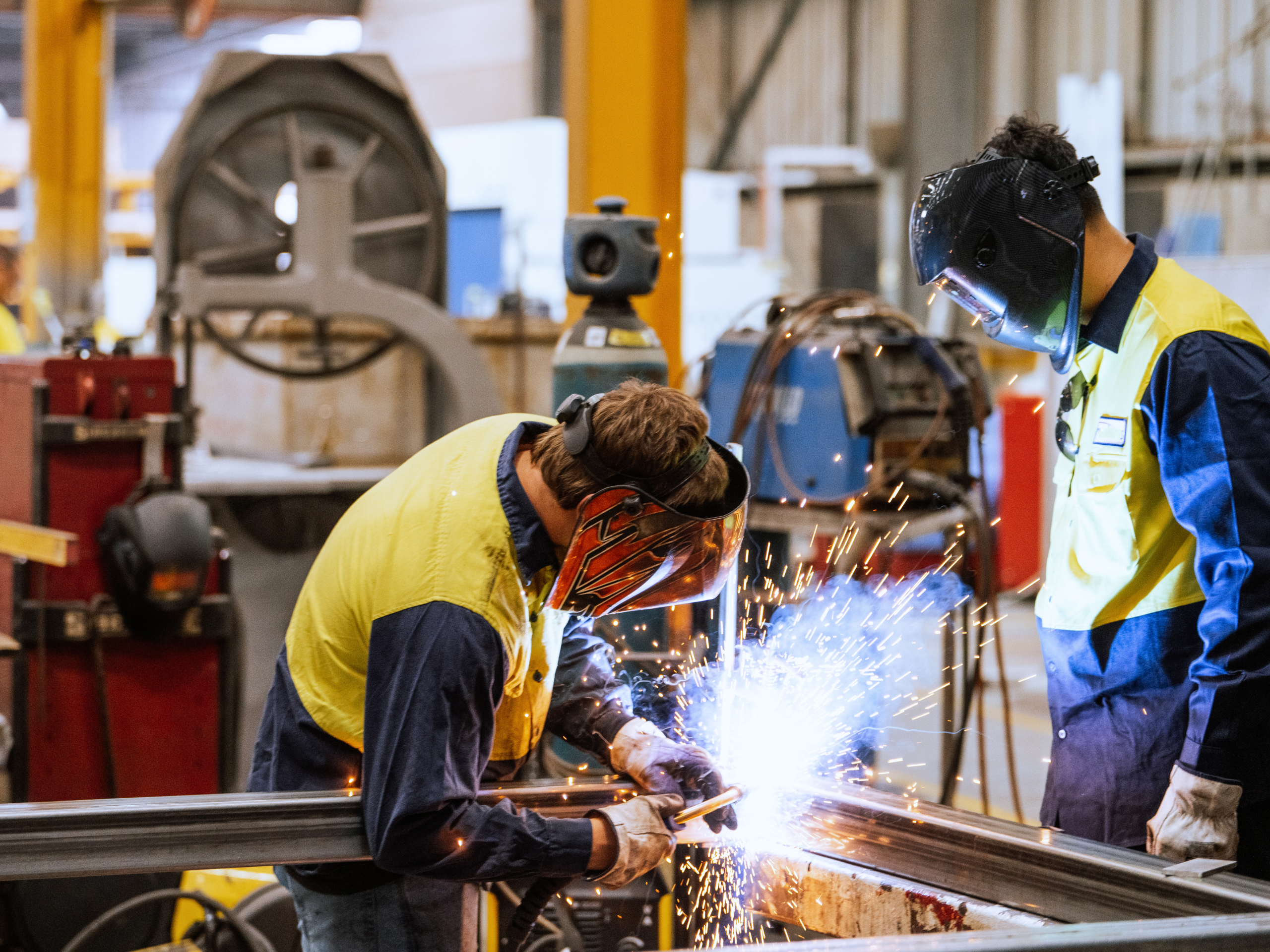
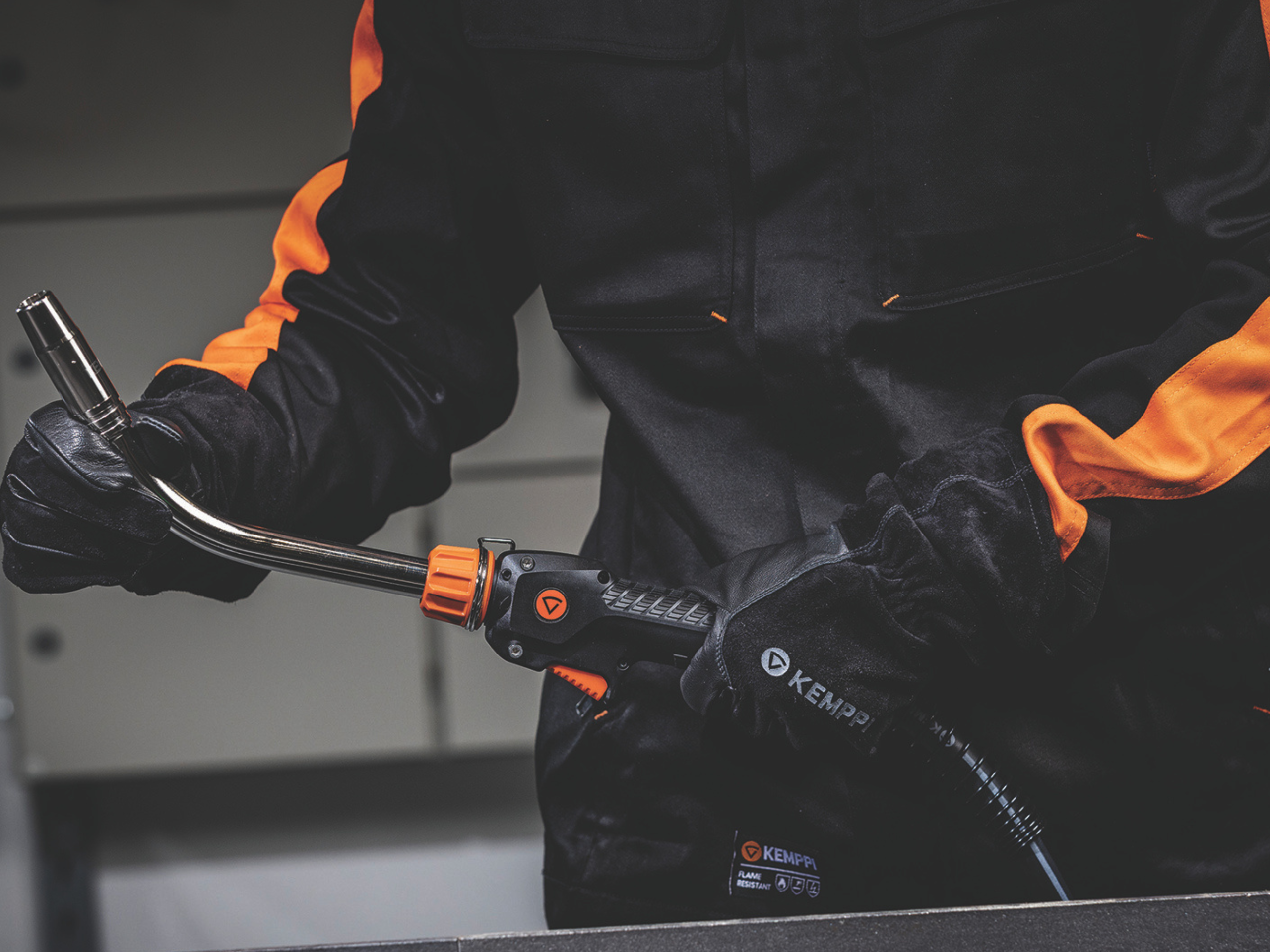
**This story originally appeared in the April 2026 edition of AMT Magazine** For Emil Dela Cruz, regional sales manager NSW for Kemppi Australia, digitalisation and automation are reshaping demand for welding across Australia. “We no longer manufacture any analogue models, so 100% of our models are digital,” Emil says, noting that the shift began around 2017–18 as Industry 4.0 began influencing manufacturing workflows. “Knowing that Industry 4.0 is digitalisation, Kemppi has been well ahead in incorporating programs and software that empower welders to weld better and faster. We have also been at the fore in delivering solutions that gather welding data to ensure compliance and quality, while boosting productivity.” This progression has positioned Kemppi as a technology leader, he says. “We deliver premium machines for high quality welding as well as digital solutions, and we continue to develop different types of products to meet various market requirements,” he says. “Given the breadth and depth of our product range, we target the entire welding market from small workshops and single contractors…
April 10, 2026
**This story originally appeared in the April 2026 edition of AMT Magazine** “Everything on this planet, at one point or another, has been screened… we’ve been doing screen media for well over 50 years as a business,” Multotec Australia VP sales and service Grahame Hopkins says. Whether it’s for the purposes of accurate product sizing or removing impurities or other undesirable materials, the creation of screens to filter food, extracted materials and other material is a well-established component of materials processing. With that broad experience comes a clear view of the persistent risks faced by operators working on screen decks, particularly when it comes to panel change‑outs. “One of the biggest problems with screen media is potential risk or damage to product and people,” Hopkins explains. Most screening decks use screening panels that are traditionally bolted or hammered into place, or installed using either a clip or pin system, and have to be prised out using a screwdriver.“So everything's working on lever and pinch points, fingers, hands, etc, and then obviously the…

March 30, 2026
**This story originally appeared in the February 2026 edition of AMT Magazine** In Australia’s dynamic manufacturing landscape, financial resilience is not just a strategic advantage, it’s a necessity. With fluctuating demand, rising input costs and global supply chain disruptions, manufacturers face increasing pressure to maintain operational stability while pursuing growth. At the heart of this challenge lies two indispensable financial tools: effective cash flow management and three-way forecasting. Forecasting isn’t just a process of putting numbers in a spreadsheet hoping they’ll predict the future. It’s an opportunity for business owners to work alongside their finance departments and advisors to take a deep dive into the drivers of a business and really understand the cause and effect of change that can move the dial. Cash flow, the movement of money in and out of a business, is the lifeblood of any manufacturing operation. Unlike profitability, which is often measured on paper, cash flow reflects the real-time ability of a business to meet its obligations, pay suppliers, invest in equipment and fund expansion. In short, cash flow management enables manufacturers to…
March 24, 2026
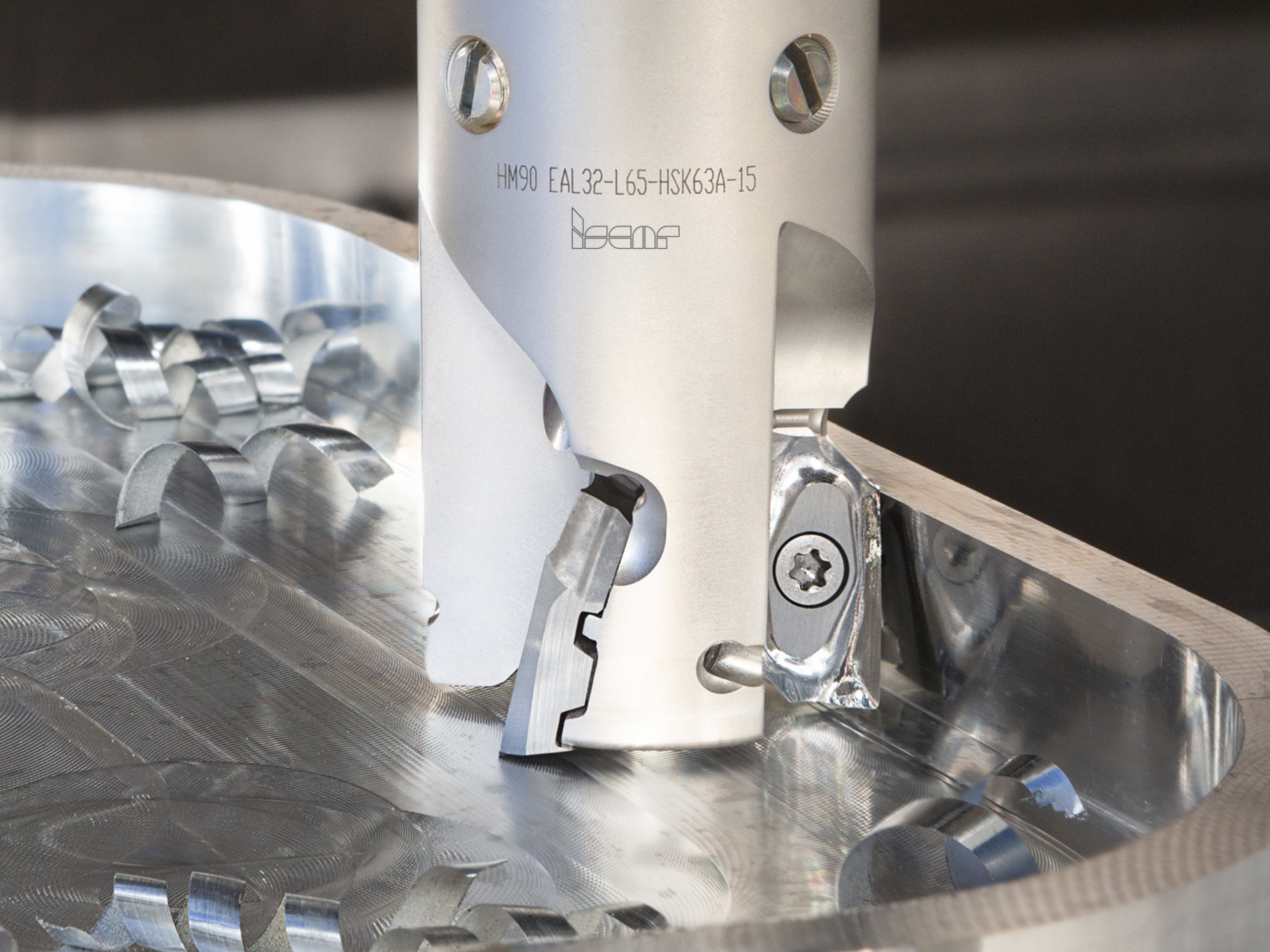
**This story originally appeared in the February 2026 edition of AMT Magazine** The high speed milling (HSM) of aluminium and its alloys requires cutting speeds at significantly higher than the standard rates. This approach ensures efficient material removal and excellent surface finish and accuracy. While there is no strict definition for what constitutes HSM speeds, it is generally accepted that they range from 1.5 to 4 times more than the typical speeds. Achieving HSM cutting speeds requires operating milling cutters at extremely high rotational velocities, often reaching 30,000 RPM or more. From a design perspective, general purpose milling cutters and cutting tools for high‑speed milling (HSM) of aluminium and its alloys are typically classified as either indexable tools, solid cutters – typically solid carbide endmills (SCEM), or SCEM assembled tools that mount replaceable cutting heads, primarily made of tungsten carbide. Machining at exceptionally high rotational velocity demands that milling tools withstand substantial centrifugal loads, maintain balancing quality, and ensure safety. A key goal is to achieve, at the design stage, a mass distribution…
March 18, 2026
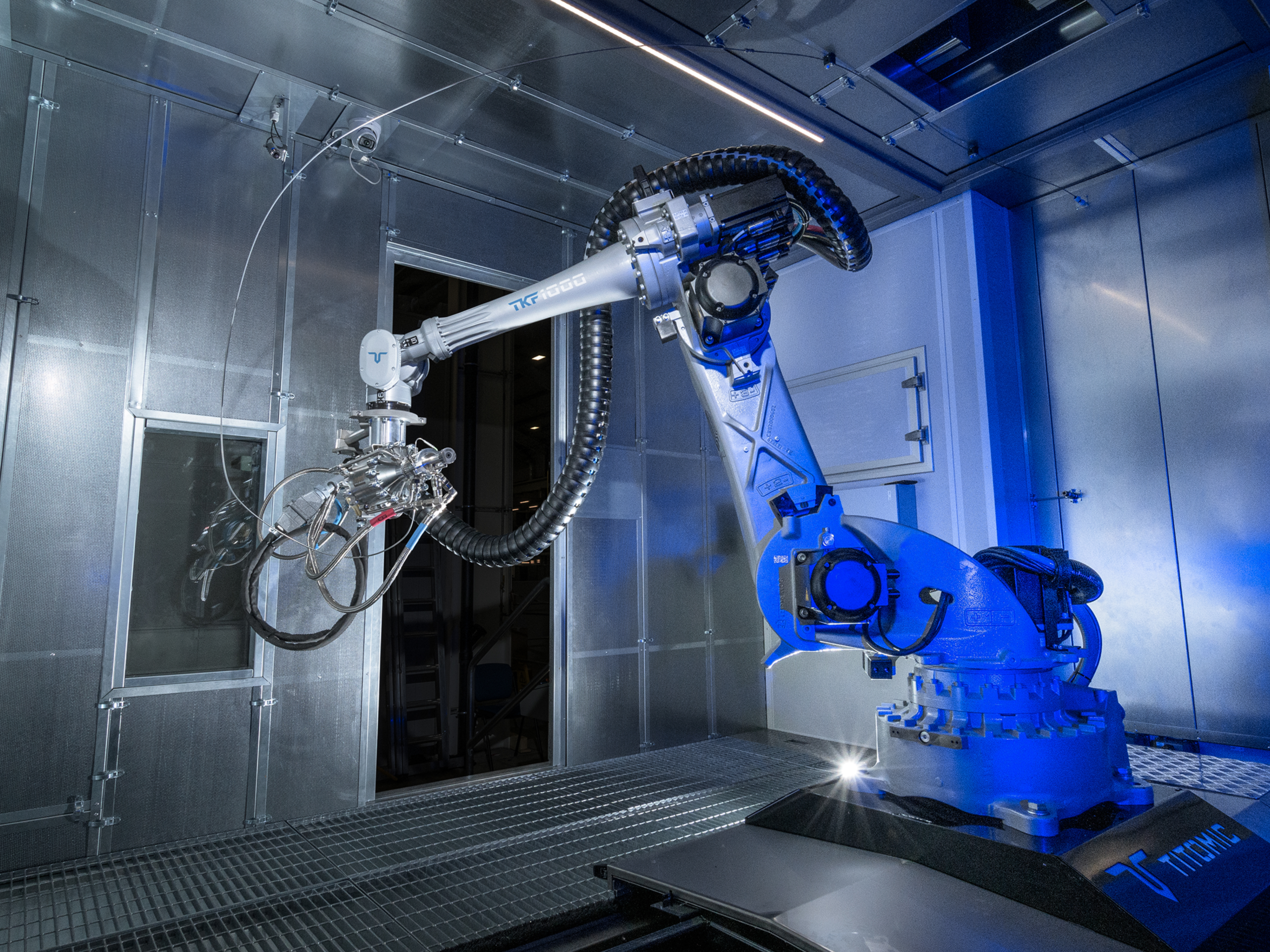
**This story originally appeared in the February 2026 edition of AMT Magazine** Developed by accident overseas, adopted in Australia after investments from a food packaging printer and today used to restore fast jets – cold spray additive manufacturing (CSAM) technology is, one Melbourne specialist insists, “just another tool” in the advanced manufacturing toolbox. What Rosebank Engineering Senior Manager, Engineering and Projects Jarrod Watts means is that CSAM technology should be considered the same as any other specialist manufacturing process – like semi-automated shot peening or precision multi-axis CNC machining – a highly technical innovation, but one which is accessible to a wide pool of manufacturers. “There’s no doubt Australia is seen as a world leader in this innovative technology,” he says. “We’re no longer just sustaining Australian assets – we’re part of a global supply chain, and technologies like this help us compete and win on a global stage,” he says. “The momentum is certainly building, and the customer base is expanding. People are…