



July 7, 2026
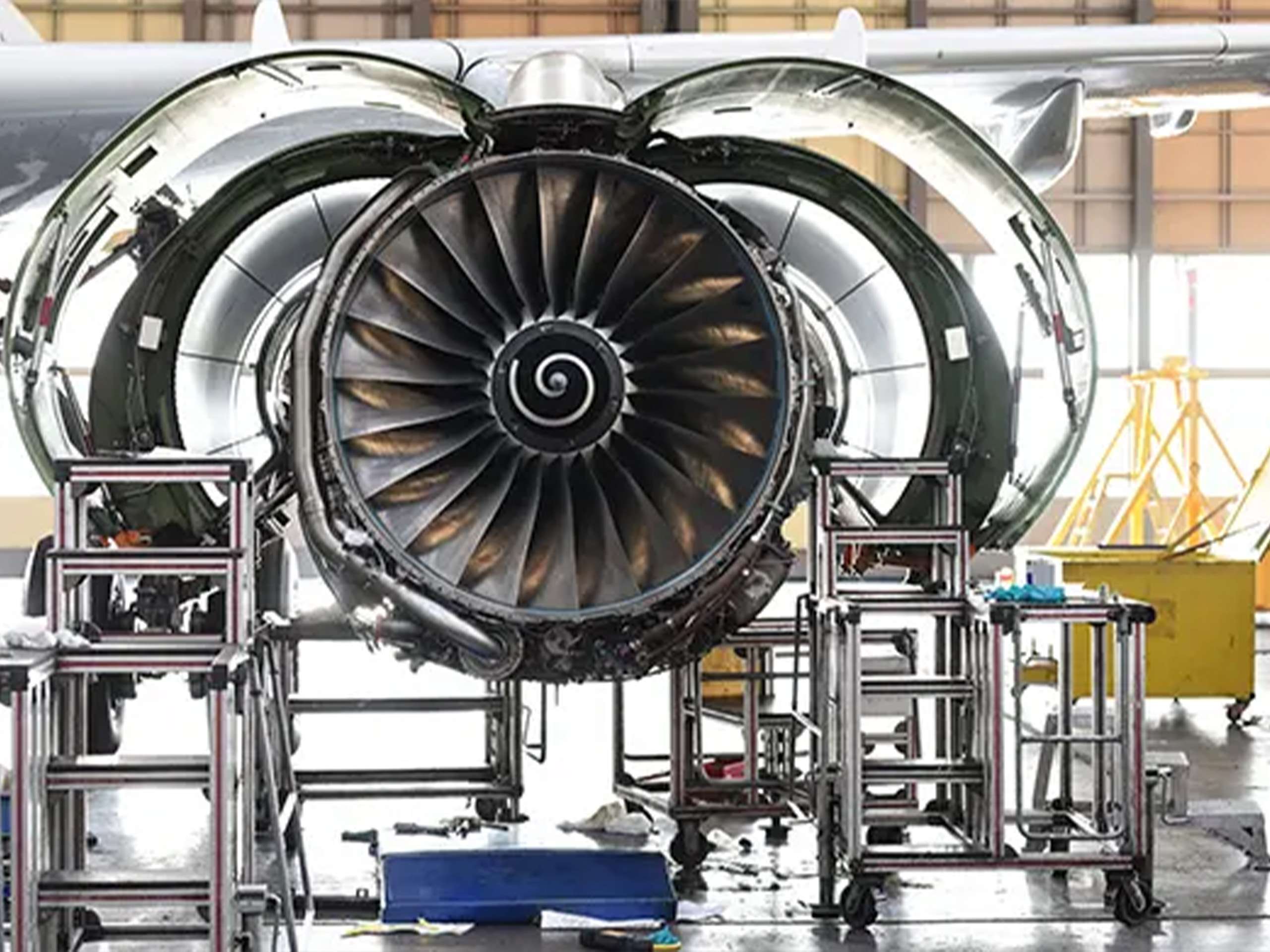
**This story originally appeared in the July 2026 edition of AMT Magazine** Scandium Market Dynamics Whilst Scandium is a unique strategic and critical rare earth metal, globally there are no mines where it is the primary metal being produced. The U.S. Geological Survey estimated global production of scandium oxide was 60 tons in 2025 up 50% from 40 tons in 2024. Supply currently relies on low concentration by-product extraction from mines producing other metals primarily nickel and titanium. China dominates the global scandium market as the primary producer, with Beijing’s grip tightening further in April 2025, when the government imposed specific controls on metal, alloys, oxides and compounds. Though more recently in December 2025, this policy was revised with China beginning to issue general licences for rare earths to selected exporters. Scandium’s primary uses are in alloying with aluminium to make it lighter and stronger, solid oxide fuel cells and next generation 5G/6G networks. Scandium-aluminium alloys provide exceptional strength-to-weight ratios which…
July 1, 2026
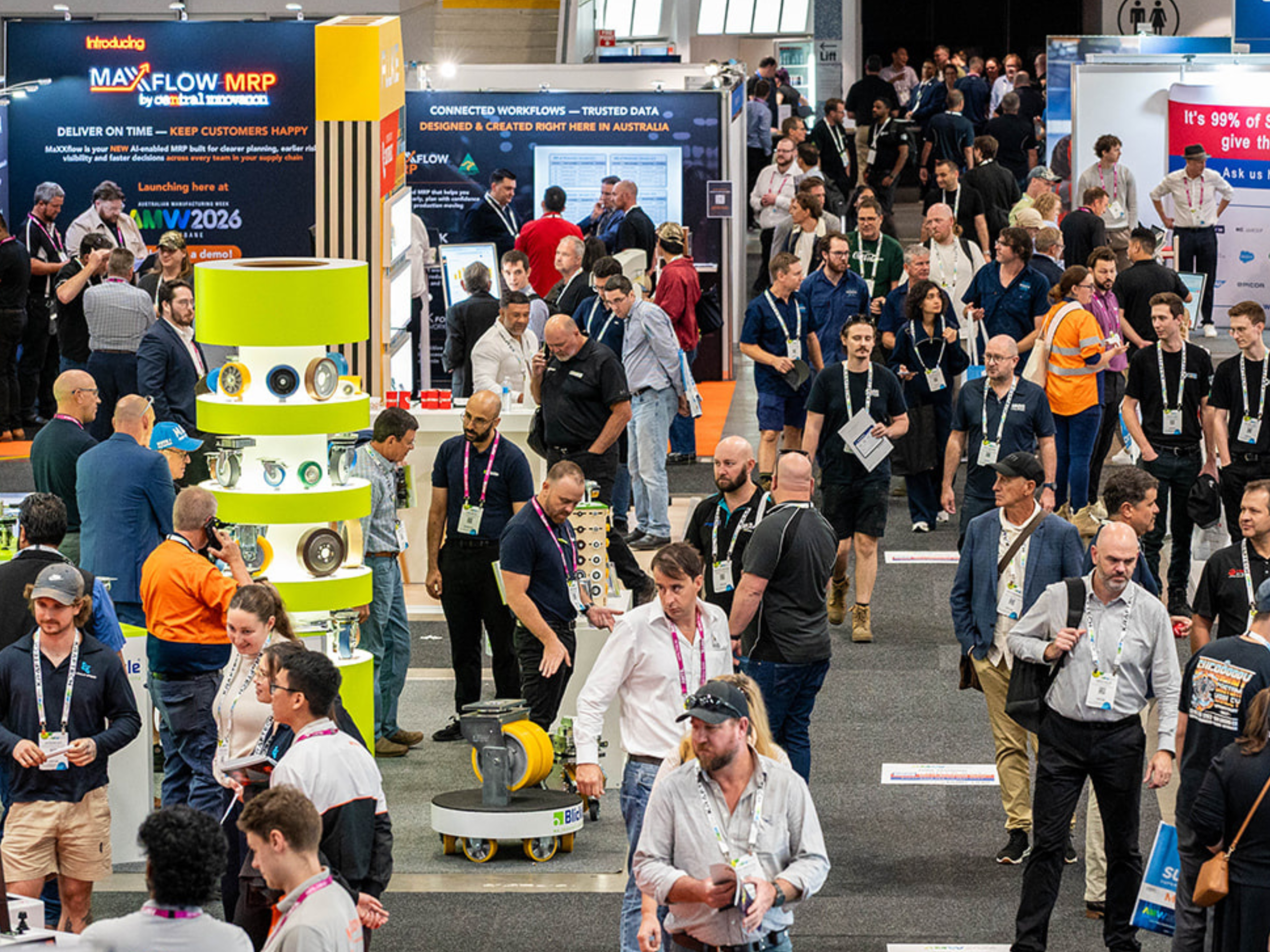
**This story originally appeared in the July 2026 edition of AMT Magazine** With exhibitors including the likes of Queensland Government, Ronson Gears, Manufacturing Skills Queensland, the Australian Foundry Institute, PJ Bowers, BAC Systems, Capral, the Australian Made Campaign, City of Moreton Bay, Ipswich City Council and Shearform, the zone brought together manufacturers, industry bodies and government partners with a shared focus on Australian capability. The mix on display reflected the breadth of local manufacturing: precision gears, aluminium extrusion, engineered foam, sheet metal, storage systems, skills development, foundry capability, regional investment attraction and the Australian Made brand. It was a strong reminder that manufacturing strength is not built around one product or one region, but across a connected ecosystem of suppliers, makers, councils, training bodies and industry partners. Jason Kidd, Queensland’s Deputy Director-General, Manufacturing and Regional and Rural Development, said AMW provided an opportunity to showcase the state’s manufacturing depth, “Queensland offers a unique combination of advantages for manufacturing businesses and investment, including a skilled workforce, world-class infrastructure, proximity to the Asia-Pacific region and…
June 26, 2026
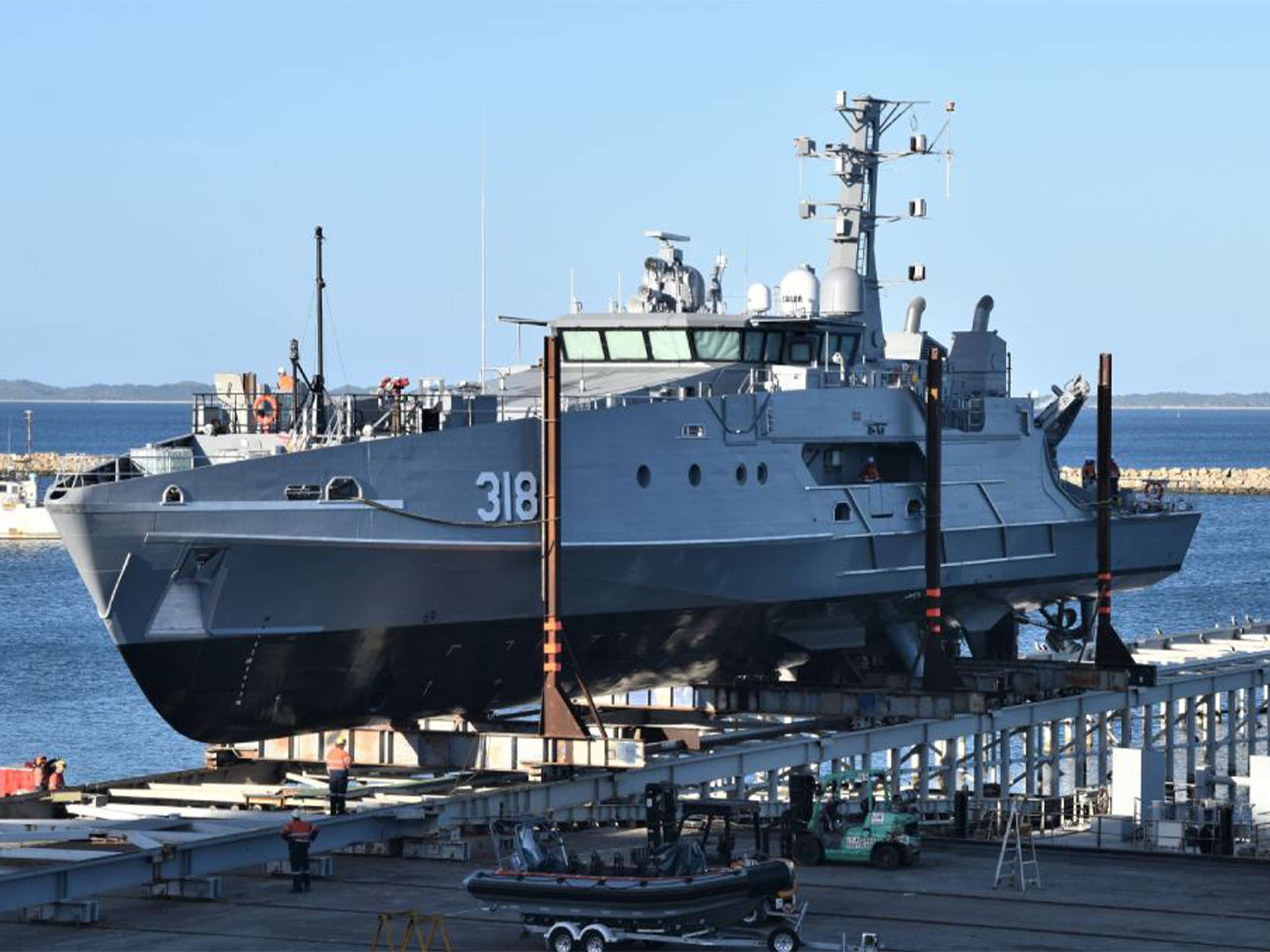
A new $600,000 collaborative research project involving Austal, Curtin University and the Additive Manufacturing Cooperative Research Centre (AMCRC) aims to help Australian manufacturers identify where additive manufacturing can deliver the greatest commercial and operational value. Over the next 18 months, the project will develop a practical framework that enables manufacturers to assess components against operational, commercial, technical and regulatory requirements. The goal is to provide a consistent methodology for identifying the most suitable applications for additive manufacturing and addressing one of the key barriers to broader industry adoption. Initially focused on the maritime and defence sectors, the framework is expected to deliver benefits well beyond these industries, helping manufacturers reduce lead times, strengthen supply chains, improve productivity and support Australia's sovereign manufacturing capability. For Austal, the project represents a shift from individual additive manufacturing applications to a scalable, strategic approach that supports better investment decisions and long-term capability development. The research will also draw on Austal's experience as the prime contractor for the United States Navy's Additive Manufacturing Centre of Excellence, bringing valuable international expertise to the project. Curtin University will…
June 18, 2026
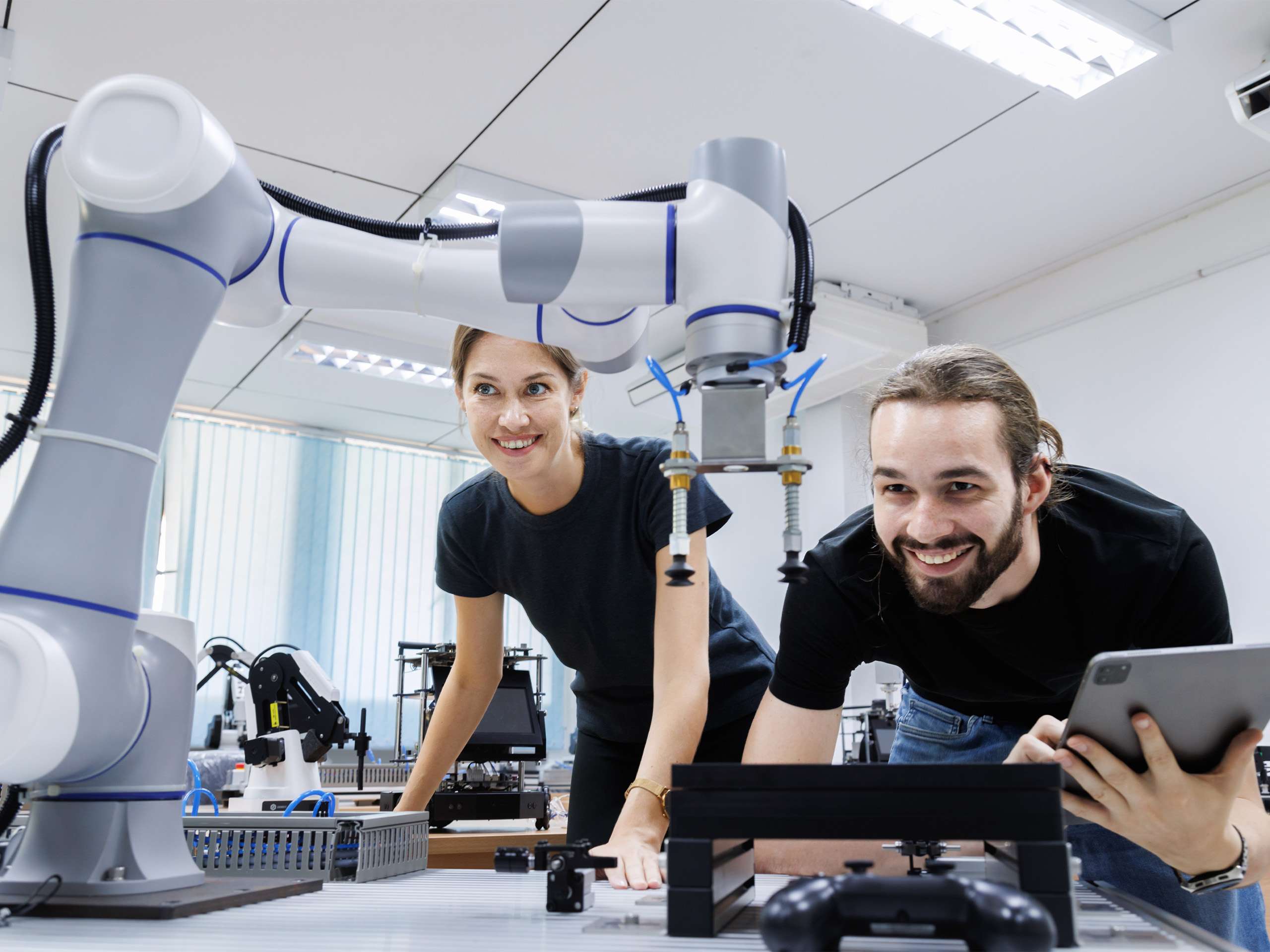
**This story originally appeared in the April 2026 edition of AMT Magazine** Australian manufacturers are curious about AI. Dabbling with chatbots, adding plug-ins to familiar software and experimenting with prompts. What most of them haven't done is make it work. The reason, says ARM Hub founder and chief executive Professor Cori Stewart, is almost never the technology. "You can create an AI agent in an hour," she says. "The problem is, if it's not connected to data that works, it's meaningless. People get to a proof of concept, roll it out across the organisation, and inevitably it falls over because it hasn't been set up for success." Stewart leads one of four government-backed AI Adopt Centres in Australia, helping manufacturers and SMEs move from curiosity to commercial deployment. She's seen the pattern repeat: companies invest in AI tools while ignoring the data infrastructure those tools depend on. "What really matters to an organisation is to start to see itself as a data organisation," she says. "We can harvest that data brain to work harder for the…
June 12, 2026
**This story originally appeared in the July 2026 edition of AMT Magazine** In opening the recent and successful Australian Manufacturing Week, I was pleased to deliver an address about the changing ‘face’ and future of manufacturing. Technology and innovation are transforming manufacturing as we have known it. I took the opportunity to share my views on how Australia can embrace the future. I began with the truth as I see it about Australian manufacturing. Manufacturing will not die. It’s too important. But it will transform. Indeed, it is transforming. We are a nation of builders. We’ve built railways across deserts. We’ve built cities on coastlines. We’ve built industries that fed the world, powered the region, and shaped our national identity. And now we are called upon to build again — not just infrastructure or products, but a new future for Australian manufacturing. A future that is smarter. A future that is cleaner. A future that is globally competitive. A future that is unmistakably ours. It will be built on flexibility, not scale. Because right now, manufacturing is not just changing — it is transforming at a scale the world…
June 9, 2026
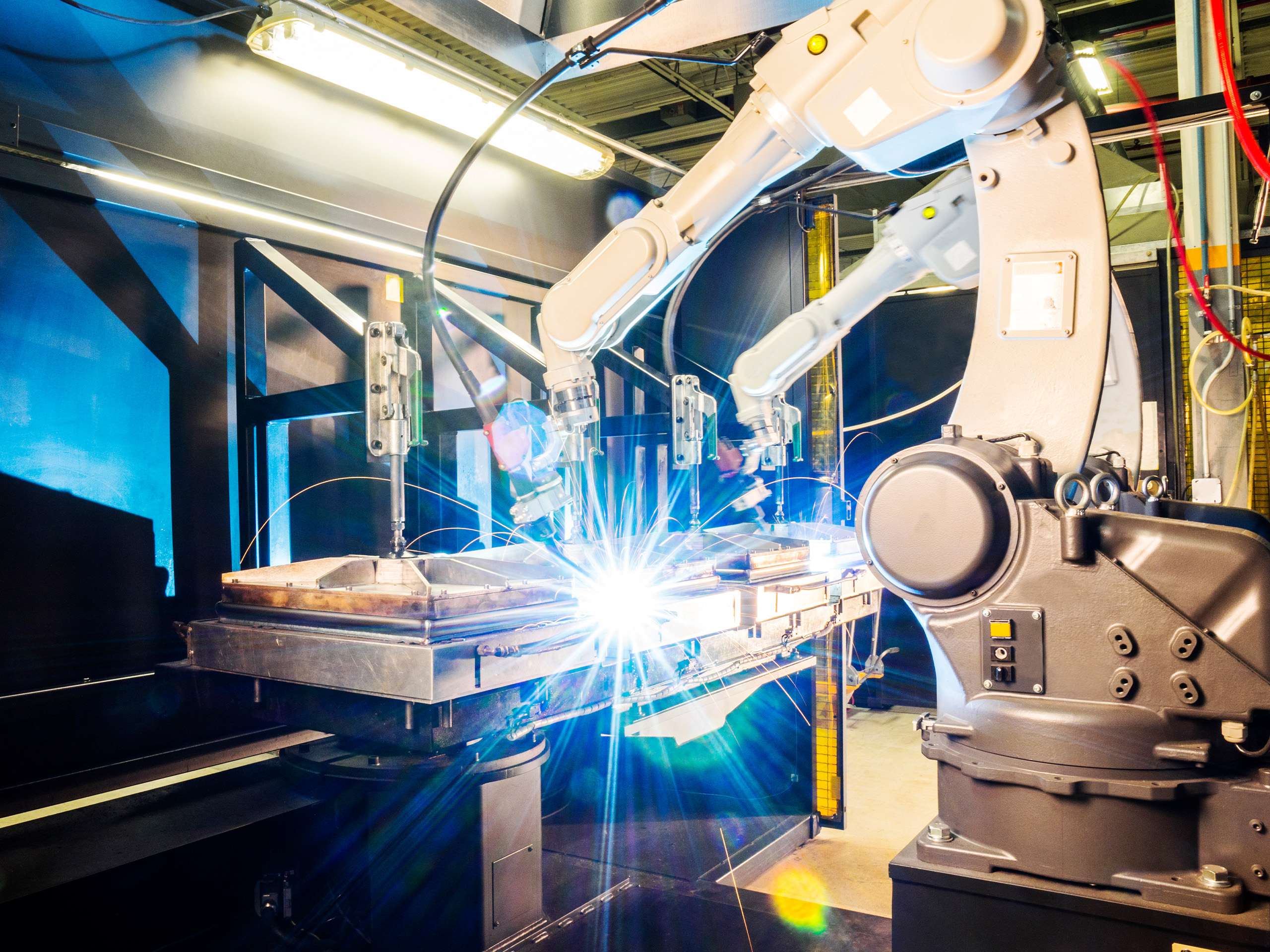
Of all the benefits that collaborative robots, or cobots, bring to the modern workplace, increased productivity tends to be the main driver, Graham Williams, regional manager for Vectis Automation says. “We have a three-to-four times typical increase in production output if we’re going from manual welding to robotic welding – and that can be as high as 10-12 times if I’m going from manual TIG Welding to cobot MIG welding,” he says. “We had a customer that was doing about a 4m long weld, and it would normally take them about eight hours manually – and they trimmed that down to about 45 minutes with the cobot.” But almost more important than this, Williams says, is the morale boost it offers to the workforce – the possibility of a robot taking on the least comfortable and most repetitive tasks. “If I can have a cobot start with that, it’s going to increase my satisfaction coming into work every day – because I don’t have to do that thing I used to hate doing; the cobot does…
June 8, 2026
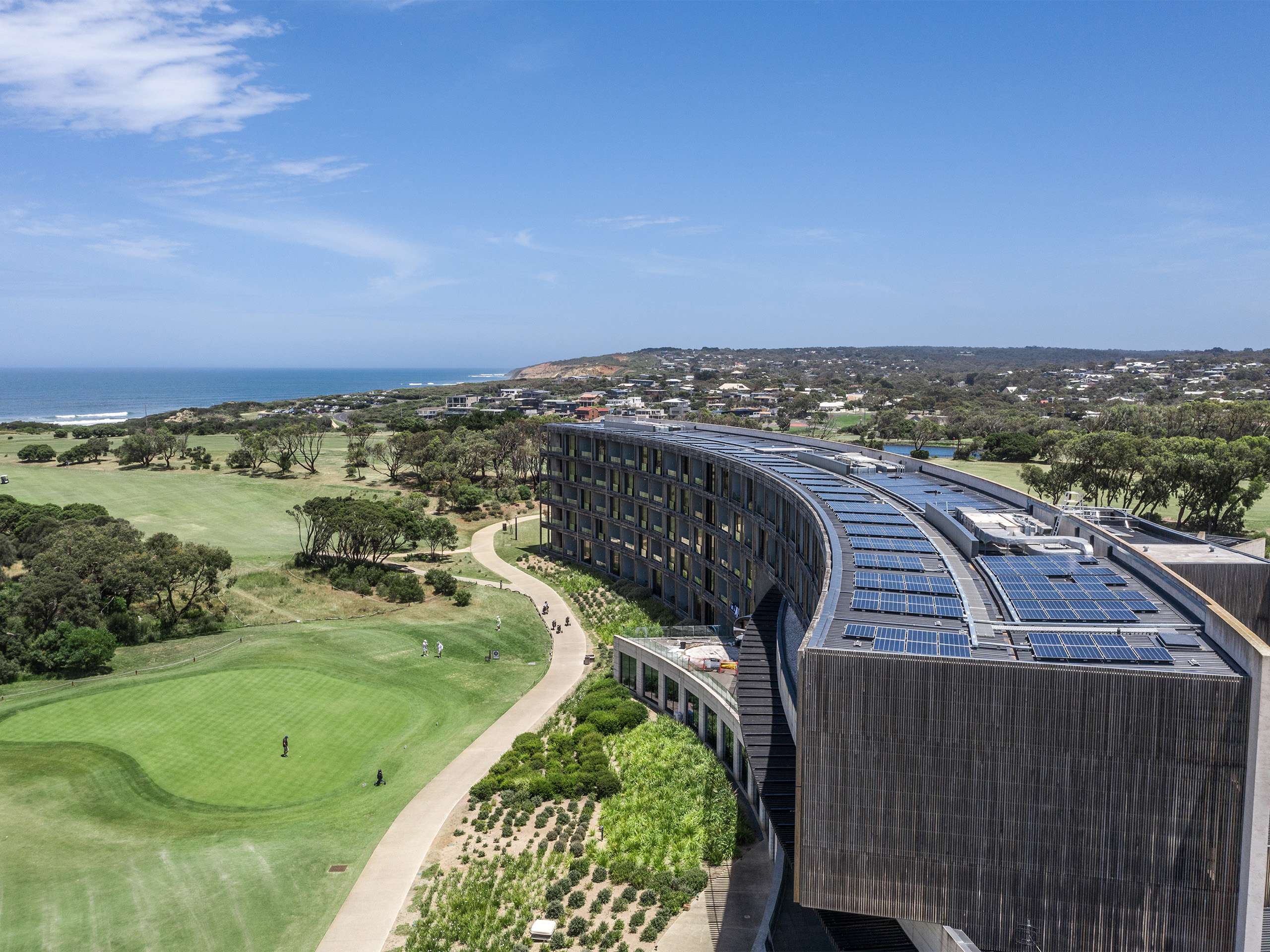
The Australian manufacturing sector is approaching a significant energy transition as the economics and capabilities of battery storage continue to evolve. According to Paul Morrissy, Senior Manager, Renewable Solutions at RACV Commercial Energy Solutions, the shift has become noticeable in enquiries from businesses. “Two years ago, the vast majority of our sales activity was solar only. Today, battery storage features in a growing proportion of discussions, either as part of new solar projects or as retrofits to existing sites,” he says. This trend, he says, reflects wider momentum across the industry. “Businesses are no longer asking if batteries make sense, but how and when to deploy them. As economics continue to improve and operational use cases expand, RACV expects battery storage to become a standard feature of commercial and industrial energy systems over the next five years.” This move comes as falling system prices, regulatory changes and shifting energy pricing patterns converge to reshape the economics of storage. “The most significant has been the rapid decline in costs of…
June 8, 2026
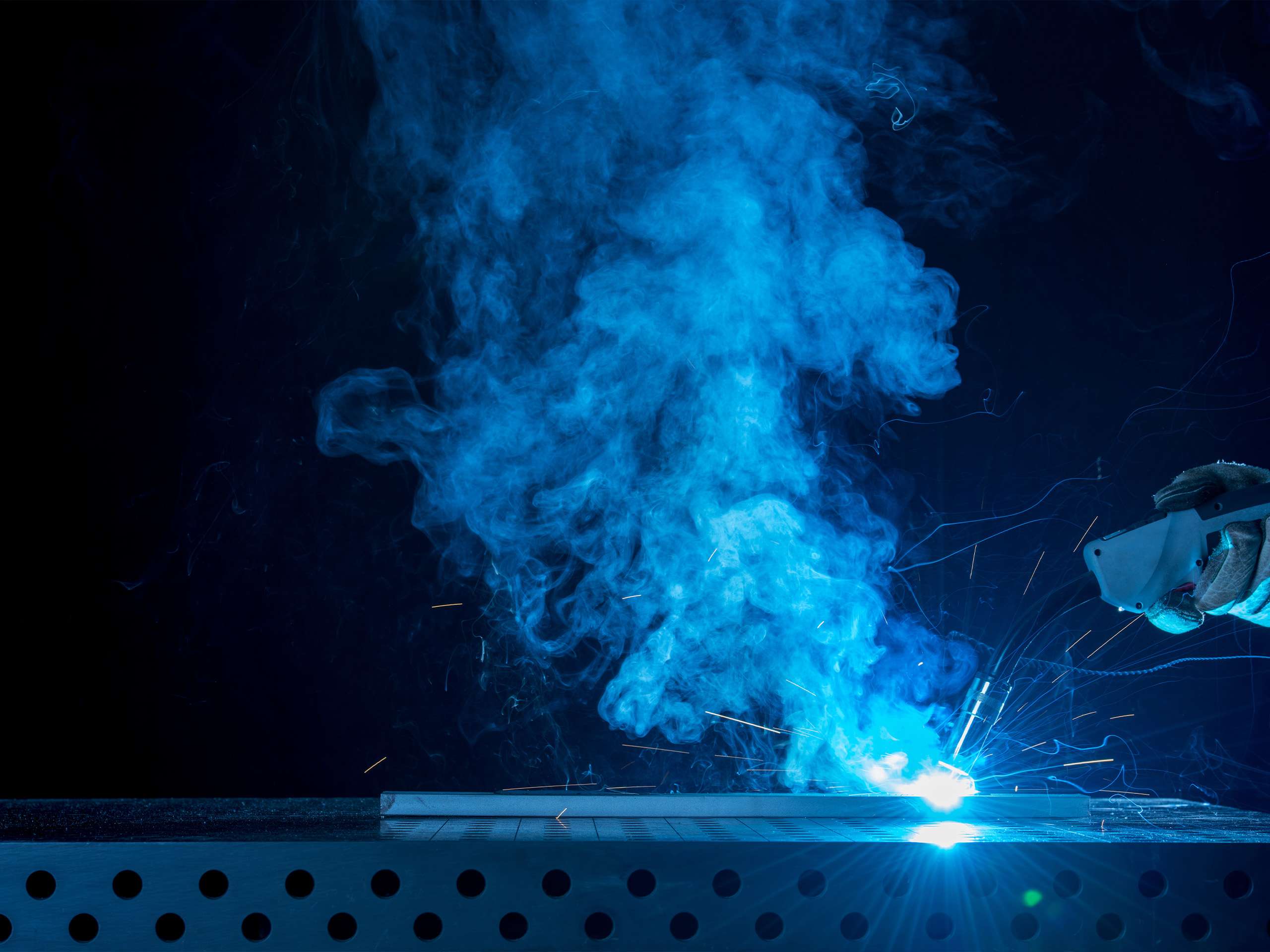
With a long history as an industrial gas supplier to Australian businesses, BOC and its parent company Linde are investing in new technologies to help lift productivity and improve safety. Richard Fowles, manufacturing gases application manager for BOC South Pacific, says that recent changes to Australian welding fume exposure standards has put a focus on new technologies. “We released a range of prevention line shielding gases that are proven to lower fume emission rates for gas metal arc welding (GMAW), flux cored arc welding (FCAW) and metal cored arc welding (MCAW) of carbon and low alloy steels,” he says. “We are also using advanced gas mixing and analysis to enable doping of shielding gases to ppm levels, and facilitating the continuous analysis of these on-site gas mixes to ensure compliance with AS/NZS ISO 14175.” Fowles adds that BOC has been investing in research and development to drive improvements in both productivity and health and safety. “This includes the use of alternative fuel gases for heating and cutting applications, welding…

June 5, 2026
The list recognises leaders from across the manufacturing ecosystem whose influence extends beyond their own organisations, contributing to important conversations around policy, technology adoption, skills development, and long-term industry growth. Of particular significance for the AMTIL community is the inclusion of AMTIL CEO Lorraine Maxwell. Lorraine's recognition reflects both her personal contribution to the industry and the important role AMTIL continues to play as a leading voice for Australia's advanced manufacturing sector. For AMTIL members, this acknowledgement reinforces the value of belonging to an association that actively advocates for the industry's interests, supports capability development, and helps manufacturers remain connected to emerging opportunities and industry developments. The timing of this recognition is particularly relevant. Manufacturers today face a rapidly evolving operating environment, with businesses balancing productivity improvements, digital transformation, skills shortages, sovereign manufacturing priorities, and the transition to more sustainable production practices. In this environment, industry leaders play a vital role in…
May 27, 2026
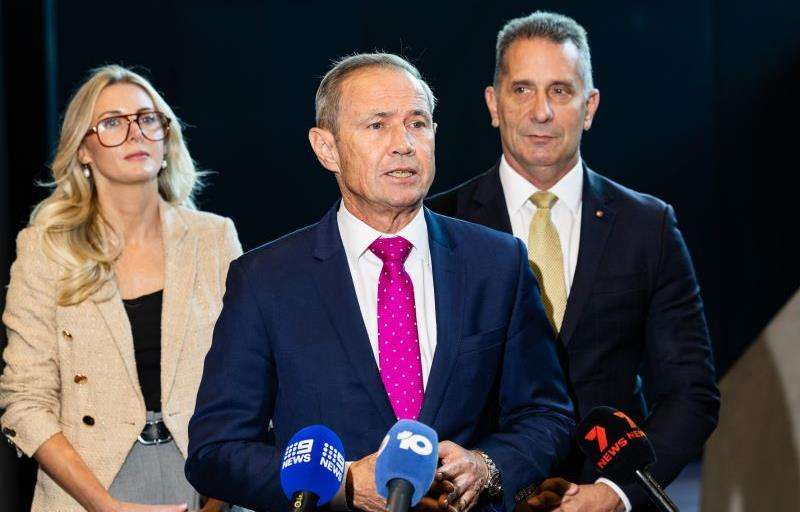
The Western Australian Government has today announced plans for a proposed large-scale defence manufacturing hub aimed at strengthening sovereign industrial capability and attracting international investment. The announcement was made today at IODS 2026 by Premier Roger Cook with Minister for Defence Industries Paul Papalia and Manufacturing Minister Amber-Jade Sanderson, and outlined the Government’s call for industry participation in shaping the proposed precinct. Expressions of interest (EOI) are now open to local, national and international companies to help shape the proposed hub, which would focus on advanced defence manufacturing and supporting technologies. Areas identified as part of the opportunity include aerospace, autonomous systems, advanced materials, precision manufacturing, energetics and space technologies. AMTIL strongly supports this initiative as it aligns with our commitment to championing advanced manufacturing growth, fostering industry collaboration, and ensuring Australian manufacturers remain globally competitive. The Western Australian Government said the initiative was intended to support Australia’s sovereign defence capability while contributing to allied supply chains and growing global demand for advanced defence manufacturing. “This is a call out to our…
May 26, 2026
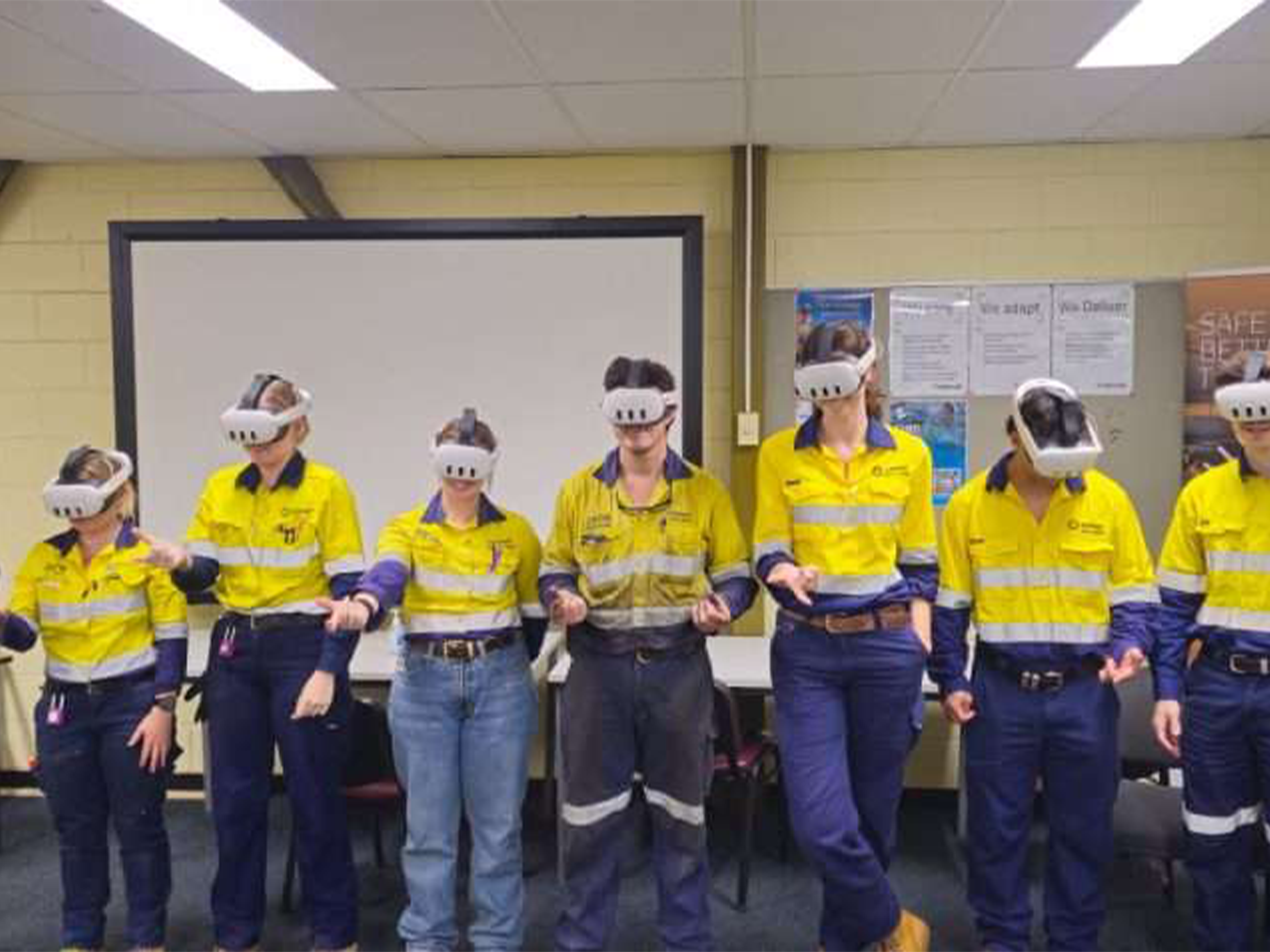
**This story originally appeared in the April 2026 edition of AMT Magazine** Virtual and augmented reality offerings, now more commonly called immersive technologies or extended reality (XR), have long sat in the background of industrial innovation but rarely at the centre of manufacturing workflows. Instead, the clunky headsets have long been a stable at trade shows, used for a virtual tour of an offshore platform or production facility, or to play a quick game guiding a golf ball into a hole. But industrial designer and Composit director Ben Breitenstein says that play time is over, and it’s time for manufacturers to reassess what extended reality (XR) and other immersive technologies can offer to the workplace. “VR is the best tool for some jobs,” he says. “It’s just not the best tool for every job. The issue is most people only ever saw the gimmicks.” When consumer virtual reality (VR) headsets first hit the shelves between 2014-2016, gamers, businesses and every willing tech-head was promised a…
May 25, 2026
**This story originally appeared in the April 2026 edition of AMT Magazine** Part of the problem in truly understanding and acting upon artificial intelligence (AI) lies in defining the term, data scientist Mikhail Golovnya says. He tells AMT that ‘artificial intelligence’ has become “a highly overloaded term,” a catch‑all explanation for almost any digital change – and his first move is to narrow its definition. “What we name today as AI is usually generative AI, which is a narrow part of AI… but in the broader terms, especially in manufacturing context…AI simply means effective use of modern data analytics and machine learning techniques to address specific manufacturing and business needs,” he says. For him, the most recent inflection point is large language models (LLMs) and the transformer architecture that finally let people ‘talk’ to machines. “We have experienced the ability to communicate with machines using human language,” Golovnya says. “Here comes the revolutionary part, and [here]…
May 21, 2026
Australian Manufacturing Week 2026 marked an important milestone for the industry, with the event making its highly anticipated debut in Queensland. Held from 12–14 May at the Brisbane Convention and Exhibition Centre, the move north was met with strong enthusiasm from across the sector and delivered an energetic, highly engaged exhibition floor from day one. The numbers tell a compelling story. A total of 6,862 unique visitors attended AMW 2026, generating 8,145 visits across the three days. This gap between visitors and visits highlights a key trend, a significant proportion of attendees returned for multiple days to continue conversations, revisit exhibits and deepen their engagement with suppliers and technologies. It is a clear indicator of the event’s value and relevance to decision-makers and practitioners alike. That engagement was evident across the show floor. With 232 exhibitors spread across a 15,000 sqm footprint, AMW 2026 delivered a consistently busy and active environment, supported by six dedicated product zones covering everything from additive manufacturing through to robotics, machine tools and welding solutions. Exhibitors…