



September 6, 2024
TROAX offers innovative products designed to optimise safety and efficiency in warehouse environments. TROAX's mesh panel partitions represent a leap forward in material handling safety. Crafted from durable wire mesh, these partitions provide excellent visibility and ventilation, crucial for maintaining optimal operational conditions. The design allows light penetration and facilitates sprinkler systems, enhancing fire safety measures. By integrating these partitions, warehouses can create safer and more productive environments. From expansive distribution centres to sensitive areas like data centres, Troax offers tailored solutions to meet diverse logistical needs. The mesh panels are not only functional but also versatile. They can be configured in numerous ways to suit specific requirements, providing an affordable and future-proof solution. With standard heights of 2,200 and 3,000mm and free-standing wall heights of up to 6,600 mm, these partitions offer both flexibility and scalability. TROAX's commitment to safety and innovation ensures that each installation is unique and perfectly aligned with the needs of the facility. Whether integrating mesh panel systems or steel sheet alternatives, Troax ensures a seamless fit with smart…

September 5, 2024
The potential for artificial intelligence (AI) to improve social and economic well-being is immense. AI development and deployment are accelerating and are already permeating institutions, infrastructure, products, and services. This often occurs undetected by those engaging with it. The Australian Government’s consultations on safe and responsible AI have shown that our current regulatory system is not fit for purpose to respond to the distinct risks that AI poses. Internationally, governments are introducing new regulations to address the risks of AI, with a focus on creating preventative, risk-based guardrails that apply across the AI supply chain and throughout the AI lifecycle. Australia needs a modern and effective regulatory system to unlock innovative uses of AI. Last year, the government consulted with the public and industry about AI, and Australians told them they wanted to see stronger regulation so they can confidently seize the opportunities that AI presents. The next step was producing the Proposals Paper for Introducing Mandatory Guardrails for AI in Hisk-Risk Setting. This included a proposed definition of high-risk AI, Ten proposed mandatory guardrails, and three regulatory…

September 4, 2024
Customer Relationship Management systems (CRMs) are making an impact in Australia’s construction scene and not in the way you might think. Software traditionally used by sales and marketing teams to store data and track interactions, CRMs have now evolved to help with project management, product forecasting and compliance. Speedpanel, a leading Australian manufacturer of lightweight, user-friendly, fire-rated acoustic systems, has relied on SugarCRM for traditional sales and marketing needs for years. Now, the company is expanding its CRM use as part of an internal technology transformation. Their company use case shows how CRMs can be leveraged to improve business processes outside sales and marketing. Data in one place Bringing data into one place was Speedpanel’s biggest priority when upgrading to SugarCRM. Before SugarCRM the company used different systems to track building projects, leading to inconsistent and, at times, unreliable data. Now, all building project information is stored in SugarCRM. “Sugar is our project information oracle,” says Peter Lorenc, National Sales and Marketing Manager at Speedpanel. “With SugarCRM, everyone can see what stage a project is in and view related documents, meetings, call notes,…

September 3, 2024
Siemens and Ampcontrol, a leading Australian energy solutions provider, have announced a collaboration agreement to develop technology solutions for battery energy storage and grid applications in the Australian renewable energy market. The announcement comes at a time of growing demand for these solutions due to Australia's rapid expansion of renewable energy. The new agreement extends the existing relationship between the organisations that have worked together on several energy and renewable projects. The agreement will focus on solutions for battery energy storage and grid applications designed around Siemens’ renowned SINAMICS S120 inverters, which provide virtual synchronous generator functionalities for system strength and grid stability in the network. Overall, this will help increase digitalisation and grid resilience and support the nation’s transition to net zero. “It’s great to formalise the relationship with Ampcontrol who we’ve worked with for many years,” said Darryl Kaufmann, head of Siemens’ digital industries division in Australia and New Zealand. “This comes at a critical time for the renewable energy sector and the energy transition. A successful energy transition requires collaboration – especially to scale…
August 30, 2024
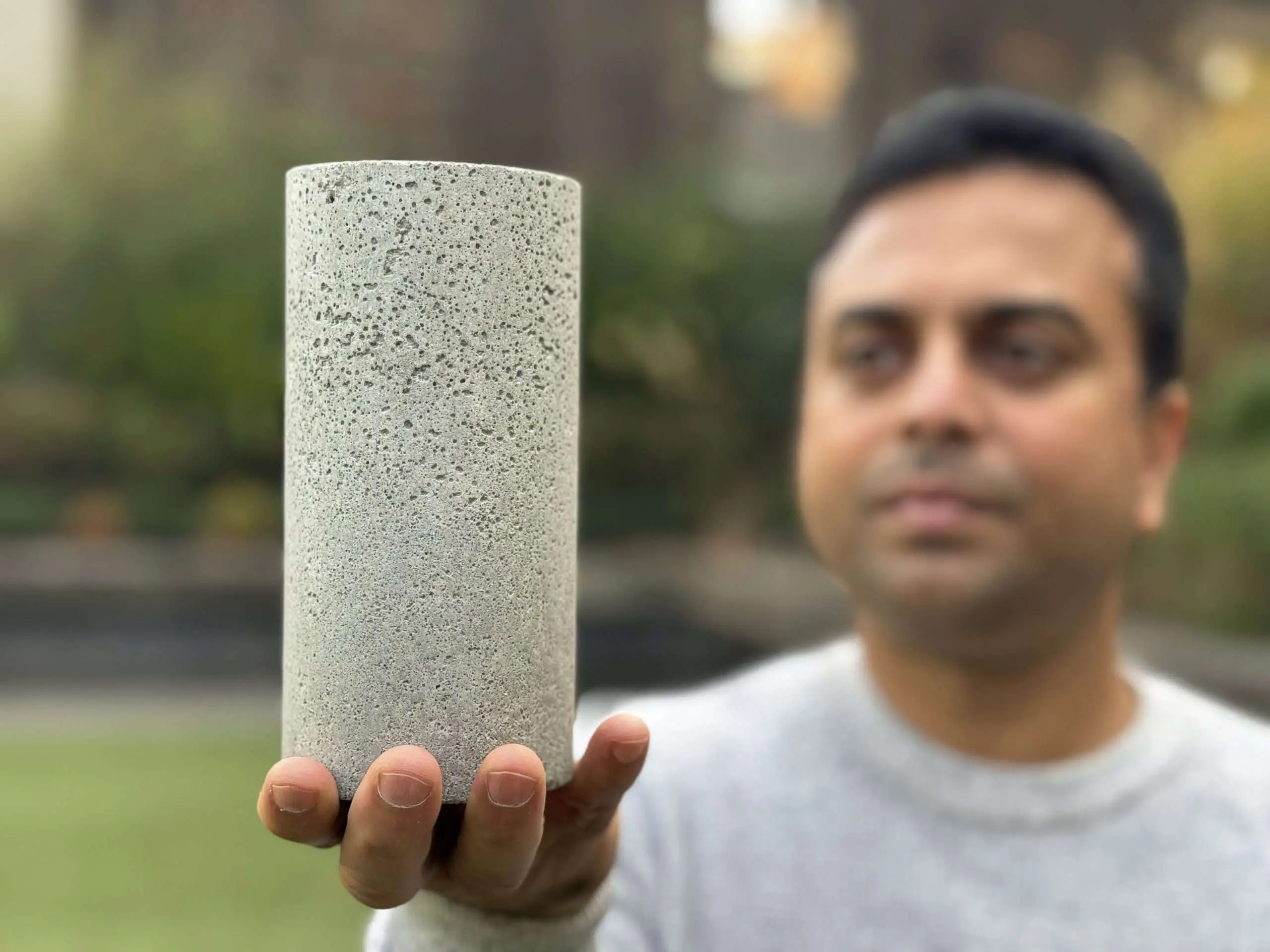
New modelling reveals that low-carbon concrete developed at RMIT University can recycle double the amount of coal ash compared to current standards, halve the amount of cement required and perform exceptionally well over time. In 2022, more than 1.2 billion tonnes of coal ash were produced by coal-fired power plants. In Australia, it accounts for nearly a fifth of all waste and will remain abundant for decades to come, even as we shift to renewables. Meanwhile, cement production accounts for 8% of global carbon emissions, and demand for concrete—which uses cement as a key ingredient—is growing rapidly. Addressing both challenges head-on, engineers at RMIT have partnered with AGL's Loy Yang Power Station and the Ash Development Association of Australia to substitute 80% of the cement in concrete with coal fly ash. RMIT project lead Dr Chamila Gunasekara said this represents a significant advance as existing low-carbon concretes typically have at most 40% of their cement replaced with fly ash. "Our addition of nano additives to modify the concrete’s chemistry allows more fly ash to be added without compromising…

August 29, 2024
Water and wastewater treatment plants (WWTPs) are going to have to work harder as Australia’s weather patterns turn drier with the arrival of the El Nino forecast by the Weather Bureau to be with us by the end of this year. One of their first lines of defence against process disruption, blockages and environmental spills will be WWTP headworks comprising mechanical screens, screening compactors, grit removal systems and grit washing systems installed in municipal and industrial plants. The challenges for WWTPs during El Nino may include widely variable flow patterns, including extended lower flow rates bringing with them greater concentrations of solids, debris, and grit carried in the reduced volumes of inlet water. Headworks will be asked to efficiently process throughputs without clogging and environmental spills – and continue to do it with less on-site maintenance because many local authorities today can afford fewer specialist operations and engineering staff on call or on-site. Prevention is better than downtime Prevention is better than expensive downtime. Damage or weakness is…
August 28, 2024
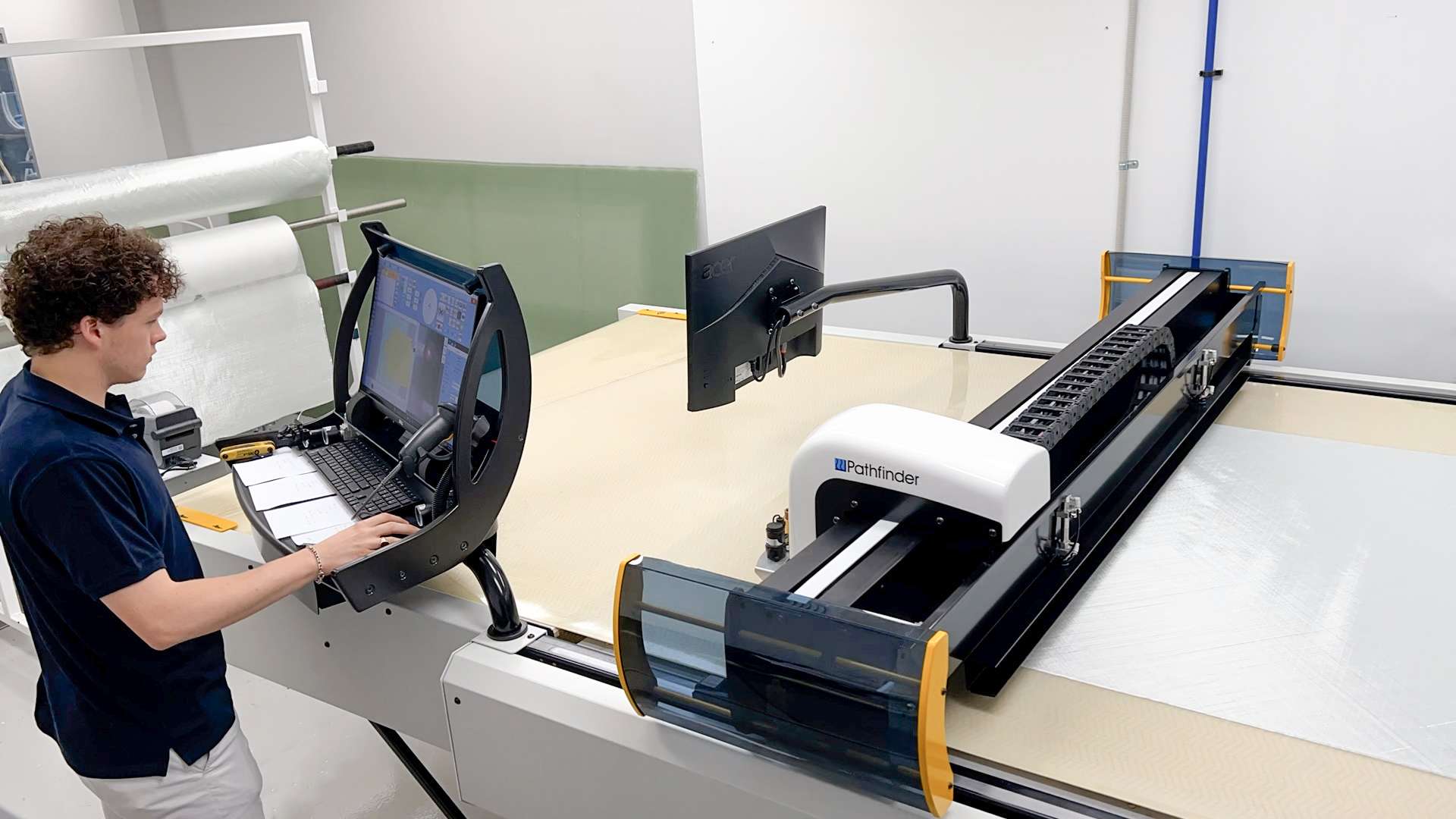
Advanced Composite Structures Australia (ACS Australia), based in Port Melbourne, specialises in designing and manufacturing composite structures. With over three decades of experience, ACS Australia is best known for taking on composites development in the ‘too hard basket’. In recent years, this has expanded to the automated manufacture of ultra-high temperature composites for hypersonic and space vehicle parts. ACS Australia has made significant investments supported by a Federal Government Sovereign Industrial Capability Priority (SICP) grant, which has assisted in the funding of a $400k project to further advance the production capabilities of ultra-high temperature composites for hypersonic vehicles and space applications. This contributes to a total investment of over $1m for the past year. Ultra-high temperature composites utilise materials capable of withstanding hypersonic speeds greater than five times the speed of sound (≥ Mach 5) and temperatures up to 2,500°C. Under these conditions, conventional materials tend to break down through surface-level reactions. Production of UHT composites is complex and costly and involves advanced manufacturing processes. Thus, ACS Australia has been developing ultra-high temperature materials and automated processes to…
August 28, 2024
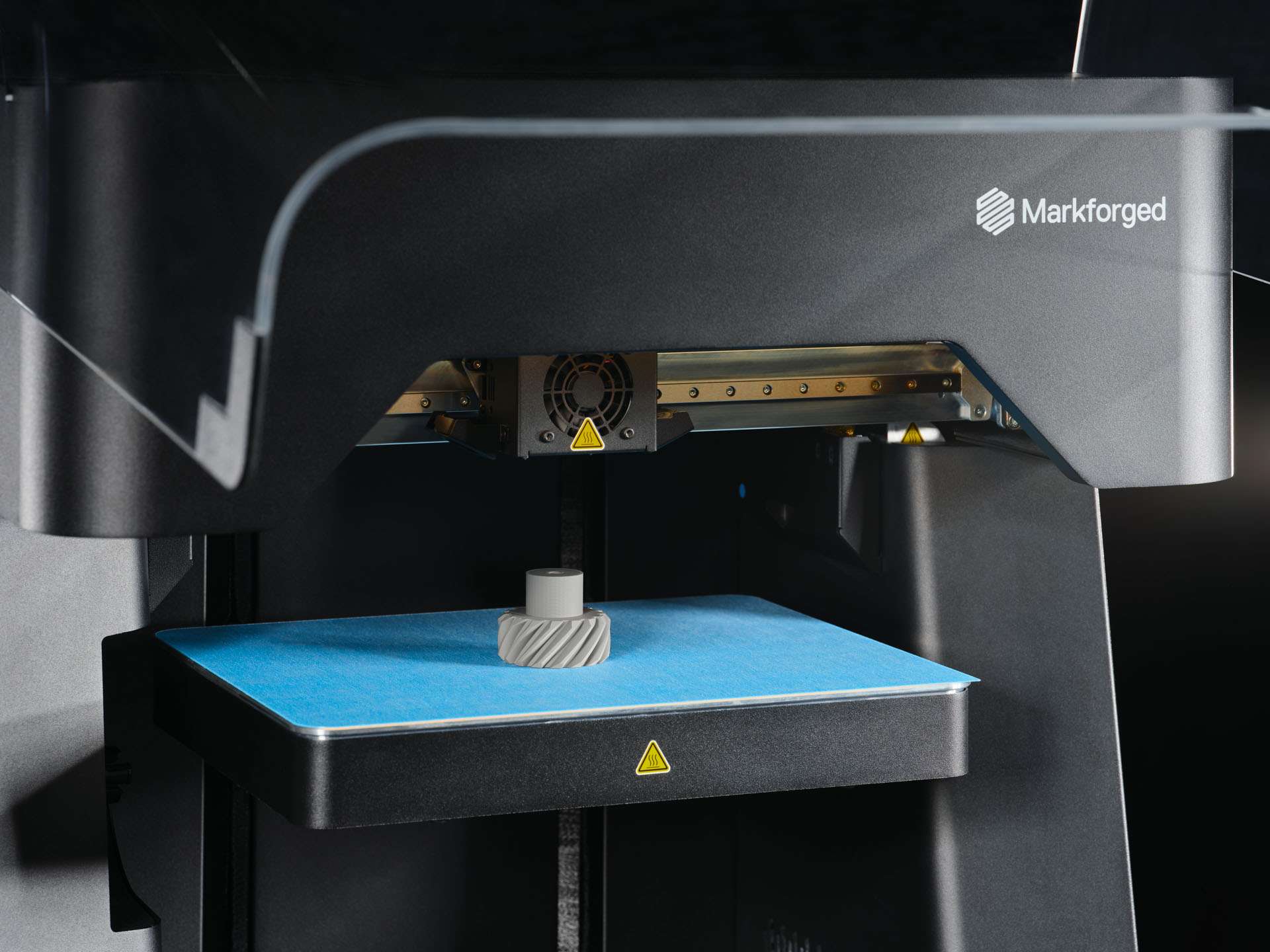
Markforged has unveiled the FX10 Metal Kit, a print engine that makes the FX10 capable of metal printing. With this kit, the FX10 becomes the world’s first industrial 3D printer to print metal filaments and composites with continuous fibre reinforcement. The new metal printing capability for the FX10 will accelerate adoption on the factory floor. “Customers no longer have to choose between a metal and a composite printer. Years of R&D investment and field experience have come together to provide an all-in-one solution for 3D printing to provide immediate return on investment once installed on a factory floor,” said Shai Terem, CEO of Markforged. “The FX10 supercharges other equipment on the factory floor to be better utilised and run more efficiently, increasing productivity and reducing potential line down events.” The FX10, released in November 2023 as a composite-only printer, was designed to be the most versatile tool on the factory floor and has received tremendous feedback from early customers. With its modular architecture, upgrades like the Metal Kit enable FX10 customers to gain additional value from the machine…

August 27, 2024
The Victorian advanced manufacturing industry supports jobs for more than 283,000 people. Victoria is the manufacturing base of choice for local and multinational manufacturers. Victoria’s advanced manufacturing capabilities attract investment in health tech, zero and low emissions technology, food, defence, aerospace and digital technologies. In addition to its established and rapidly growing pharmaceutical manufacturing base, which is the largest in Australia and includes CSL; the fastest growing brand in the biopharmaceutical industry globally. Victoria also has a range of local and global manufacturing and supply chain capabilities for medtech products. Victorian manufacturers’ top export markets include New Zealand, the United States, China and Japan. Victoria is home to 41 ASX-listed medtech companies with a combined market capitalisation of $14bn. The MedTech manufacturing sector in Victoria includes large-scale state-of-the-art ISO 9001 and ISO 13485 qualified contract manufacturers with rapid scale-up capability that provide responsive manufacturing services through all stages of design, development and market supply. Industry players include Bosch Australia Manufacturing Solutions, Hydrix, Invetech, Planet Innovation, SCHOTT MINIFAB and SRX Global. The Victorian Medical Device Prototyping and Scale-up…

August 20, 2024
Monitoring the health of humans hundreds of kilometres above the Earth and in the infinite space beyond is a major challenge in the complex microgravitational environment of space. Australia’s population, dispersed across a vast geographic landscape, offers a similar challenge to health professionals. The ability to access real-time data that could aid in precise diagnosis, predictive assessment, and, consequent treatments during human spaceflight could in turn save lives for those operating in isolated areas such as mining, defence, or those living in remote environments on Earth. Australia is already a world leader in delivering medical care to remote regions. This iLAuNCH Trailblazer project will build on this expertise, transferring the capability to predict and monitor physiological changes to human spaceflight. “I applaud Aspen Medical for making the leap into the demanding environment of space, and showcasing how space technology can help us here on Earth. It's a great project led by the Australian National University, partnering with industry leaders including Saber Astronautics, Aspen Medical, and Liquid Instruments,” said iLAuNCH Trailblazer Executive Director, Darin Lovett. Aspen Medical is one partner…

August 19, 2024
Brothers Steve and Grant Frisken used to have regular phone hookups on Sundays. Steve, an optical physicist, worked in the telecommunications industry, and Grant led the software development for a corneal topographer (using reflectance light to measure the front surface of the eye). Grant knew that if you could find a way to keep the eye perfectly still, then optical coherence tomography (OCT) would have a whole new life in the ophthalmic field, beyond imaging the back of the eye. If you could remove motion artefacts (caused by the eye's movement), then the micron-level accuracy of OCT could be used to measure the critical surfaces at the front of the eye. These are the measurements you need for the precision of cataract and refractive surgery and monitoring other important ophthalmic eye diseases such as myopia and keratoconus. Grant challenged Steve to devise a new way of using OCT to image the eye, knowing that eye movement will always be present. They…

August 16, 2024
Increasing production capacity in a manufacturing business is often costly. It can involve purchasing new machinery, employing additional staff, and renting or buying additional buildings. However, before investing in these costly options, first ensure you are using all the hidden capacity in your factory. Here are three places to find it. Downtime I frequently visit factories and see many machines stopped without any clear explanation. While breakdowns can often be a factor, the biggest reductions in downtime usually come from simple process and organizational changes that are quick to implement and cost nothing. There are dozens of improvements you can make to reduce downtime and liberate hidden machine capacity. The start point is measuring your downtime and analysing the potential causes. You then chart these on a Pareto chart and focus on reducing the top two or three causes to have the biggest impact. Wasted space We are often approached by clients who have run out of factory space. They are often considering the difficult and expensive…

August 15, 2024
Every four minutes, someone in Australia is hospitalised with a head injury, with 24 per cent of all concussive episodes caused by sport. The time taken for a patient to be diagnosed with concussion has largely been based on rudimentary field assessments, and diagnosis is often delayed as patients are transported to scanning equipment in hospitals. As a result, the potential for misdiagnosis or delay in treatment is high. With support from AMGC, Headsafe will change this, with the introduction of a ‘brain scanner in a briefcase’ dubbed Nurochek. Nurochek is a world-first device able to be deployed in mobile and clinical settings for rapid assessment and response to head injuries at the point of injury and at treating doctors or clinics. Verified extensively in the United States and Australia, this USA FDA-cleared portable headset uses patented technology to measure the brain’s electrical activity and sends the results to an online AI algorithm for analysis and later to the ‘cloud’ for secure storage. In a two-minute assessment, Nurochek will…