




January 29, 2025
TNO has developed an Adaptive Secondary Mirror for NASA’s Infrared Telescope Facility (IRTF) in Hawaii. The IRTF is a 3m infrared telescope located at an altitude of around 4,200m at the summit of Mauna Kea on the island of Hawaii. Designed for maximum performance in the infrared portion of the spectrum, it takes advantage of the excellent visibility, minimal water vapour and low thermal background that characterise the atmosphere above Mauna Kea. The University of Hawaii and the University of California Santa Cruz realised the secondary mirror upgrade project. During the integration phase, a manufacturing error required TNO to immediately find a fastener solution so that the integration could proceed. “We realised that some of the holes in the supporting structure of the secondary mirror assembly had been machined to the wrong dimension,” explains Arjo Bos, Systems and Mechanical Lead Engineer at TNO. “We tried standard A4 screws but had immediate issues with galling. We needed a fast solution to overcome our galling issue with an extremely tight schedule and some dependencies with other projects.” Delivery and…

January 28, 2025
ANCA, an Australian leader in advanced manufacturing, proudly announces that its co-founders, Patrick Boland and Patrick McCluskey, have been awarded the Medal of the Order of Australia (OAM) in the 2025 Australia Day Honours List. Known as ‘The Two Pats,’ their visionary leadership has propelled ANCA to the forefront of global technology. They have demonstrated that advanced manufacturing can thrive in Australia and contribute to high-value products, international competitiveness, meaningful careers, and sovereign industrial capabilities. A lifetime of innovation and dedication Boland and McCluskey's dynamic partnership, combining academic expertise and practical ingenuity, has driven ANCA’s success for over 50 years. Their passion for innovation and engineering excellence has led to the development of world-first technologies that have revolutionised the cutting-tool industry. Notable innovations include groundbreaking in-machine measurement, which disrupted and shaped the market and set new standards in precision manufacturing. Success didn’t come overnight. Long before the internet era, ANCA brought its ambitious vision to life by targeting a niche global market, adopting robotics, and applying innovative solutions to the machine world. Today, ANCA continues to…

January 28, 2025
Founded in 1968, FMI Building Innovation (BI) is one of New Zealand’s leading innovators, manufacturers, and suppliers of world-class building solutions for a wide range of residential and commercial customers. With its headquarters and main manufacturing site in Auckland and additional production facilities in Christchurch, the company employs more than 250 staff. FMI BI’s first involvement with 3D printing dates back five years, when the company acquired an inexpensive printer to explore the medium's potential, primarily in an R&D role. Work in those early years showed that, in principle, additive manufacturing could make a valuable contribution to their design and manufacturing processes. FMI BI’s market research indicated that industry leader Markforged could supply printers and consumables that would meet the company’s exacting standards, and X7™ composites and a Metal X™ metal printer were acquired in 2023. FMI BI’s extensive and constantly expanding product range strongly emphasises the need to design, prototype, and manufacture new parts accurately, cost-effectively, and within a reasonable time frame. Before the adoption of 3D printing, this posed severe problems for the company. Peter Stark, FMI BI’s…
January 24, 2025
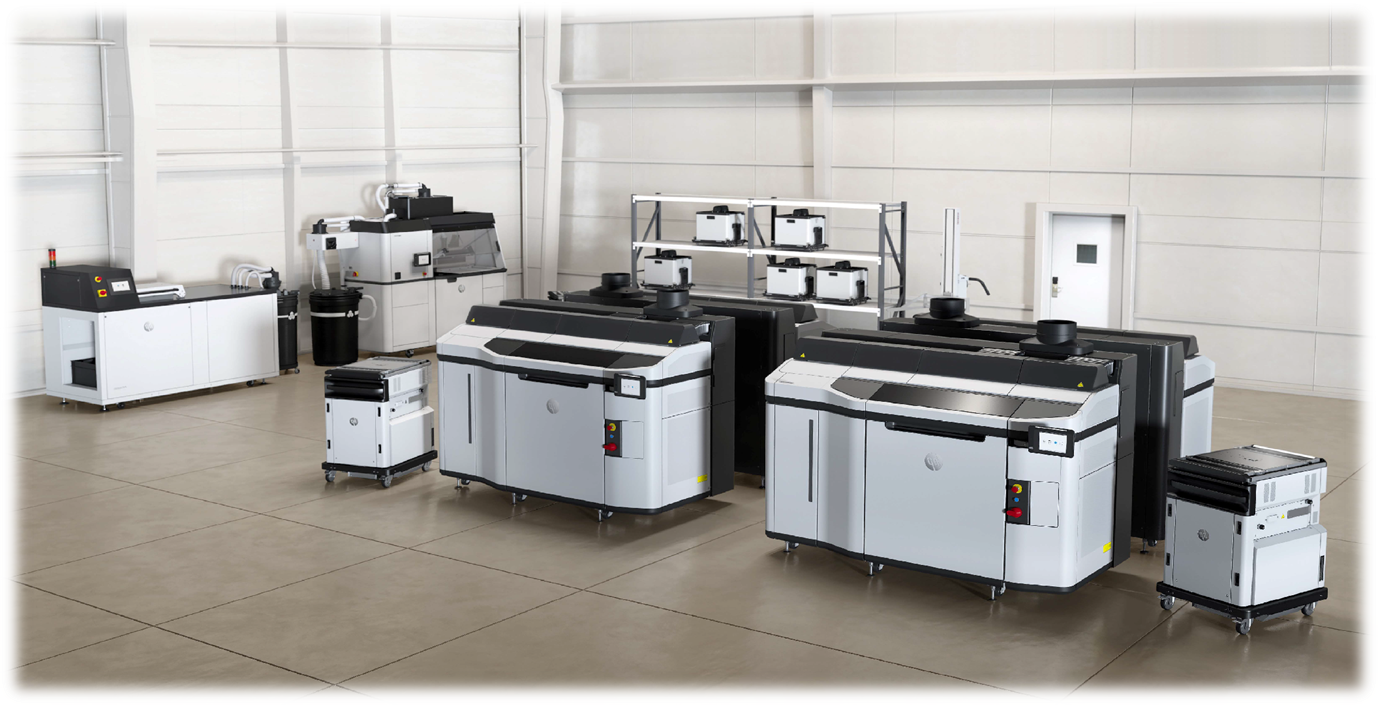
Drones are increasingly becoming indispensable in the aerospace and defence sectors, driving mission-critical operations ranging from surveillance to search-and-rescue. As the demand for more agile, adaptable, and high-performance drones grows, so does the challenge of designing and manufacturing components that meet these exacting requirements. While effective for simpler geometries, traditional manufacturing methods often struggle to meet the complex demands of modern drone systems, especially when it comes to lightweight yet durable designs. Additive manufacturing (AM) is transforming the industry, unlocking new possibilities in speed, design, and functionality for the next generation of drones. At EVOK3D, we enable our clients to overcome these challenges by leveraging Additive Manufacturing (AM). AM's flexibility allows clients to create intricate designs, such as internal cavities and lattice structures, achieving significant weight reduction without compromising strength. Additionally, the capability to rapidly prototype and iterate designs accelerates the product development process, reducing timelines from months to weeks. The role of HP MJF and nTop in drone design Design and prototyping are crucial in developing high-performance drones, where factors such as weight, strength, and functionality are critical. Traditional manufacturing methods…
January 23, 2025
West Australian manufacturer Ciltech has rapidly emerged as a leader in designing and manufacturing jetties, pontoons, and other marine infrastructure. With a steadfast commitment to excellence, the company's dedication to high-quality materials and advanced engineering techniques distinguishes it in a competitive market. Ciltech takes great pride in its Western Australian roots, consistently delivering innovative products that set new benchmarks in the industry. Managing Director Mason Cilia reflects on the business's growth and ongoing development: "Ciltech started as a small, family-run business in Western Australia. Over the years, we've grown into a key player in the marine infrastructure industry. A commitment to quality and innovation has driven our journey." Ciltech's proprietary aluminium extrusions are at the core of its success and form the foundation of its cutting-edge jetty systems. Remarkably, 98% of their pontoons are constructed using proprietary aluminium extrusions developed in collaboration with Capral. These extrusions are meticulously designed to accommodate various structural and functional elements, ensuring that each system meets the specific needs of its environment. From supporting decking weight to integrating mooring attachments and cleats, Ciltech's tailored extrusions provide versatile…
January 22, 2025
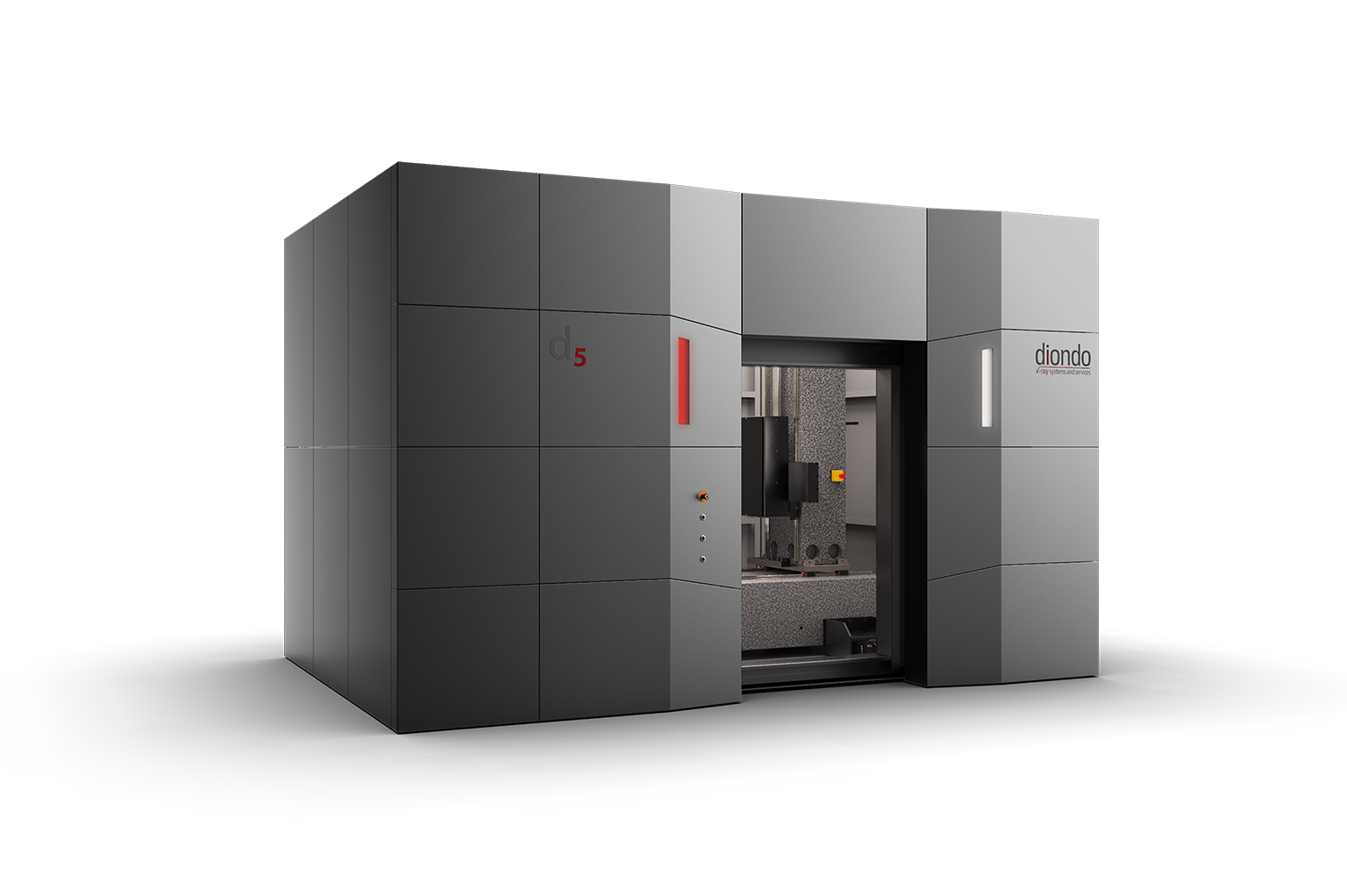
With Australia's high labour cost, most high-volume manufacturing has moved offshore. As a result, there has been a shift towards low-volume, high-value manufacturing, with Australian manufacturers adopting more advanced manufacturing methodologies such as additive manufacturing. This has necessitated a similar shift to advanced non-destructive testing for quality control, with computed tomography answering the call. Computed Tomography (CT) is a non-destructive 3D imaging technique analogous to CAT scans performed on humans. It is perfectly suited to inspecting manufactured components, especially those with complex geometries and internal structures. CT can be used to check dimensional accuracy (vs. CAD drawings), identify invisible defects beneath the surface to external inspection techniques, and investigate failures or process control and optimisation. Origins of CT Initially developed for medical applications in the 1970s, CT is now used more extensively in materials science, nondestructive testing (NDT), quality control, failure analysis, and geological materials investigation. In these applications, it is ideally suited to revealing subsurface defects and structures or checking manufacturing tolerances. Although CT has been used extensively in medical applications…
January 21, 2025
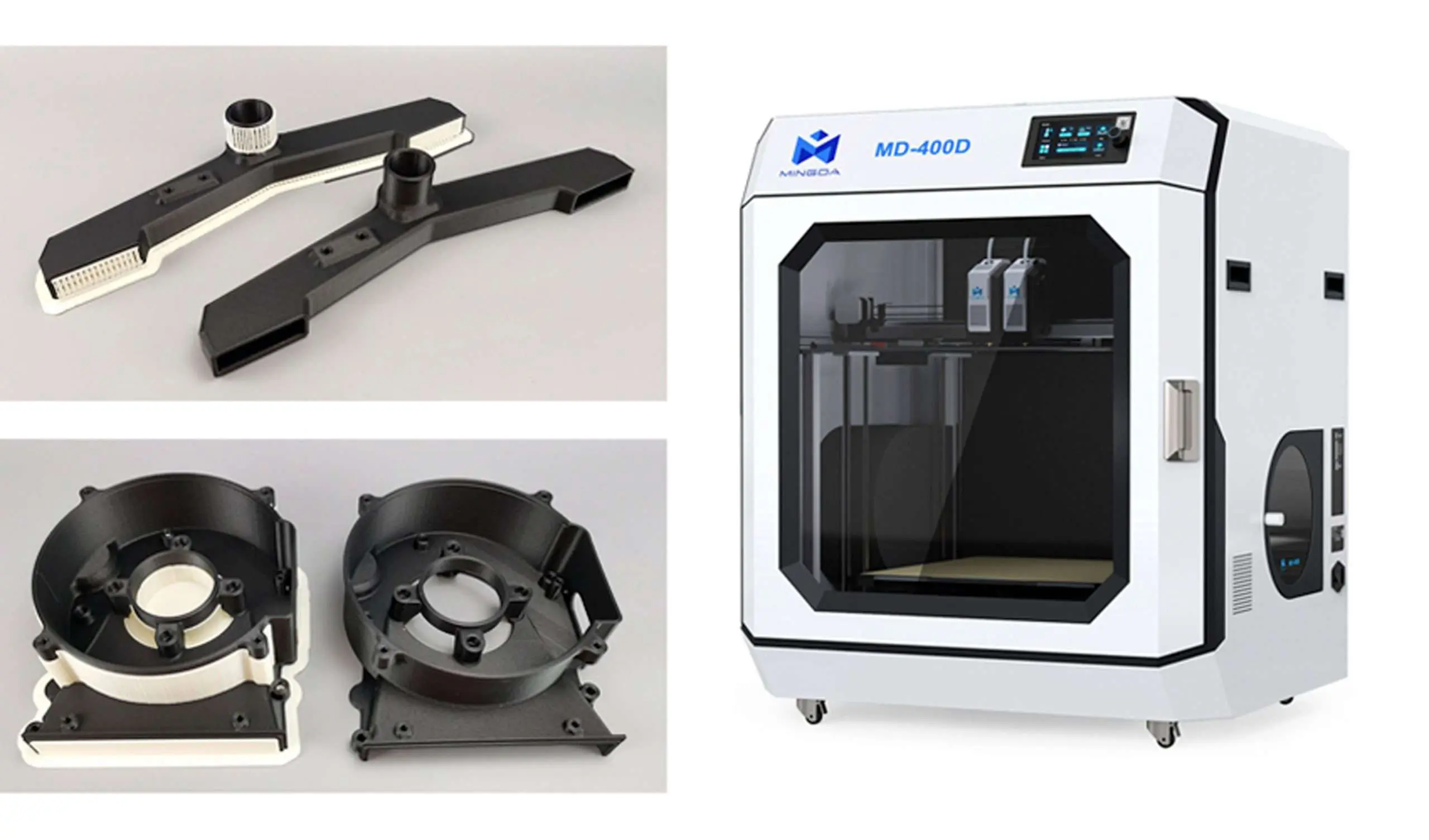
The metal forming industry relies heavily on precision, durability, and cost-efficiency. Traditional manufacturing methods, such as casting, milling, and forging, require extensive tooling, long lead times, and significant financial investments. 3D printing is revolutionising this space by enabling rapid prototyping, tooling production, and custom part fabrication at a fraction of the time and cost. The new Mingda industrial 3D printer range—featuring the MD-400D, MD-600D, and MD-1000D—is particularly well-suited to support businesses in the metal forming sector and the manufacturing industry. These printers offer large-format capabilities and exceptional material versatility, enabling companies to digitise their production workflows and minimise reliance on expensive traditional tooling. Key benefits Rapid Tooling Production: Print cost-effective tools, dies, and fixtures quickly for testing and small production runs. Large-Scale Prototyping: Create full-scale prototypes with massive build volumes, reducing lead times and costs. Support for Composite Tooling: Use advanced materials like carbon fibre-reinforced filaments for strong, lightweight tools. Customisation and Low-Volume Production: Produce bespoke parts and tools without additional tooling costs. Open-Material System: Experiment with various filaments to meet specific mechanical and thermal requirements. Cost and Time Savings:…

January 20, 2025
The Australian Aluminium Council has welcomed the Australian Government’s announcement of a production credit for the aluminium smelting sector as part of its Future Made in Australia plan. This marks a globally significant step towards securing the future of Australia’s aluminium industry and strengthening Australia’s role as a leader in the energy transition. “Until now, we have seen many other countries take decisive action to support their domestic manufacturing industries while Australia has been less proactive in comparison,” the Council’s CEO, Marghanita Johnson, said. “Competitive energy is the critical foundation that enables Australian businesses to compete internationally. [This] announcement is an important step in support of the industry’s transition to the competitive, reliable, lower-carbon energy needed for the aluminium industry to secure a sustainable future.” The Climate Council, the Australian Conservation Foundation and the Australian Workers Union also endorsed the move. AWU National Secretary Paul Farrow said the announcement showed the government understood the magnitude of the industry’s potential. “Abundant renewable energy, access to raw materials, and skilled workers – Australia has every advantage necessary to…
January 20, 2025
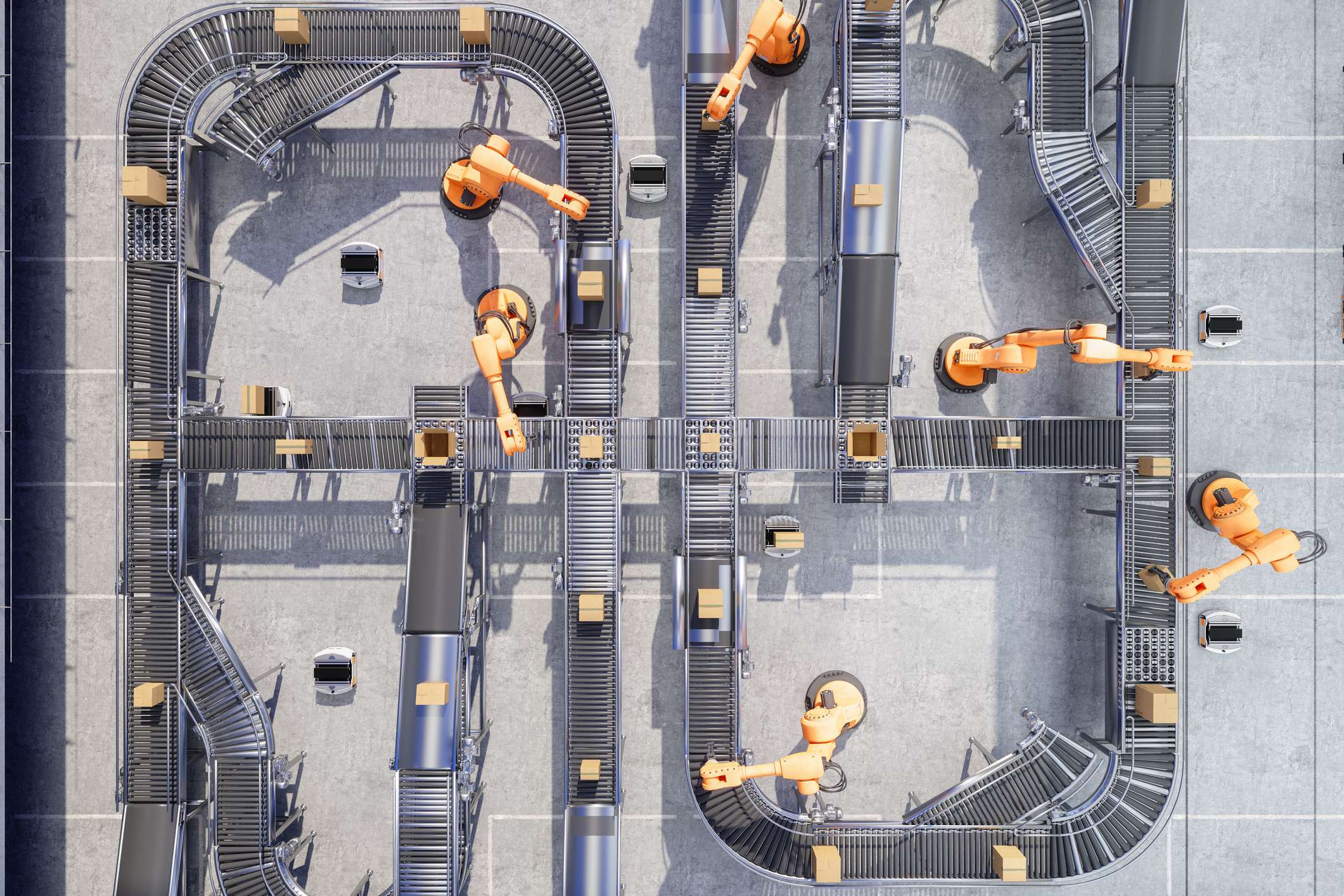
Manufacturers in Australia and worldwide are facing mounting pressure to boost profitability amid high inflation, rising interest rates, and escalating energy costs. To stay ahead, they must improve operational efficiency, optimise resources and meet increasingly demanding customer expectations, all while maintaining high product quality and tight delivery timelines. The key to overcoming these challenges lies in harnessing the power of Industry 4.0 technologies. However, to truly unlock their potential, manufacturers need a connectivity solution that is fast, reliable, and secure. That’s where Private Mobile Networks (PMNs) come in. A Private Mobile Network (PMN) is a dedicated, standalone cellular network designed exclusively for an organisation’s use, providing secure, reliable, and high-performance connectivity tailored to specific operational needs. It offers ultra-low latency, high-speed data transfer, and interference-free communication, making it ideal for demanding environments like manufacturing. With full control over the network, organisations can prioritise critical applications, safeguard sensitive data, and ensure seamless integration with advanced technologies such as IoT, robotics, and AI—unlocking new levels…

January 20, 2025
Performatec Australia's journey involves innovation, adaptability, and a steadfast commitment to supporting Australian manufacturers and fabricators. Established in 2004 as Performance Cutting Supplies, the company initially focused on supplying high-quality abrasive garnet to the manufacturing sector. Just before 2007, it recognised opportunities for growth and diversification and rebranded as Performance Waterjet. This pivotal shift reflected its growing expertise in waterjet technology and its ambition to address more complex manufacturing challenges. Around this time, Performance Waterjet achieved its first significant technological milestone by developing the abrasive sludge removal system (ASR). This groundbreaking solution demonstrated its commitment to solving industry-specific problems. In 2008, Performance Waterjet expanded into the waterjet parts market, further consolidating its position as a comprehensive solutions provider. By 2009, strategic partnerships with global leaders such as H2OJET and KMT Waterjet enabled Performance Waterjet to strengthen its expertise and market presence in waterjet technology. These collaborations enhanced its product offerings and underscored its reputation for delivering innovative and reliable solutions tailored to the needs of Australian manufacturers. The sale of Performance Waterjet’s first waterjet system in 2013…

January 17, 2025
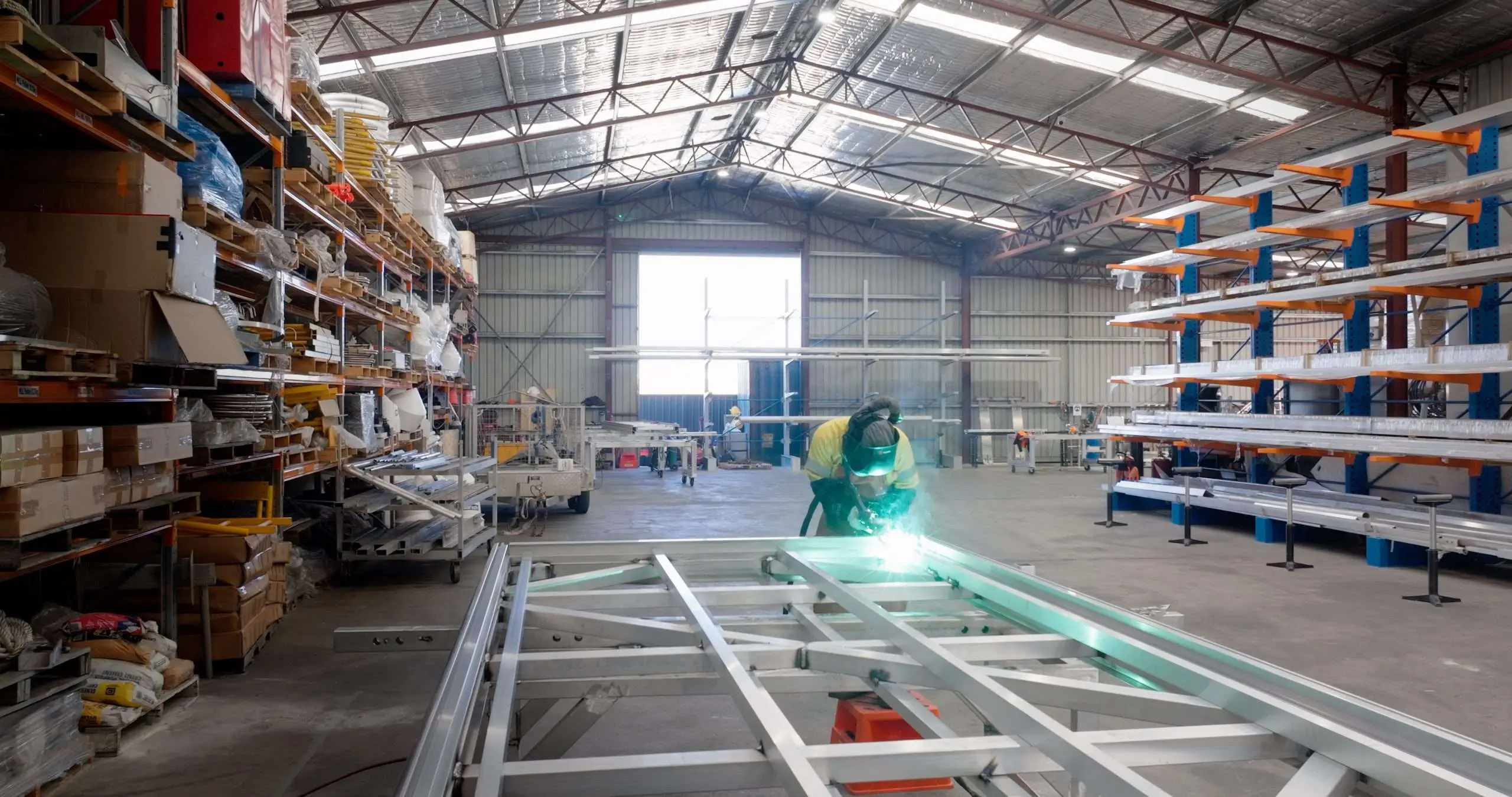
In a recent project highlighting the synergy between technology and industry, Automated Solutions Australia (ASA) collaborated with QuickAlly Access Solutions to upgrade their welding capabilities at their Brisbane facility. This project is a perfect example of how innovative automation solutions can enhance manufacturing processes, particularly for a company as committed to quality and safety as QuickAlly. QuickAlly Access Solutions is a key player in the Australian market and is known for its high-quality scaffolding and access platforms. As part of the G.James Group of Companies established in 1917, QuickAlly has a long-standing reputation for producing durable and reliable products that meet the highest safety standards. Their product range includes scaffolds, platforms, trestles & planks, stair treads and saw benches, all engineered to comply with Australian Standards. Additionally, QuickAlly specialises in creating customised work platforms for industries such as road, rail, aviation, marine, and industrial applications, further cementing their position as a leader in the field. The collaboration between ASA and QuickAlly focused on replacing an aging REIS welding robot with a new, state-of-the-art FANUC ArcMate 120iD/12L robot and 2x servo rotary positioners. This…

January 16, 2025
Rockwell Automation has launched Logix SIS, a cutting-edge safety instrumented system (SIS) designed to address the evolving needs of modern industrial environments. The introduction of the Logix SIS from Rockwell Automation provides a modern and integrated safety solution, offering both SIL 2 and SIL 3 certifications for enhanced process and hybrid safety. Logix SIS delivers all components of a safety instrumented system, including the process logic solver and I/O. The system is engineered to provide high availability with proven Rockwell Automation hardware, leveraging the latest 1756 controller, FLEX 5000® I/O platform, and Studio 5000 Logix Designer® application for a truly integrated user experience. "Logix SIS represents a significant step forward, offering exceptional flexibility for process and hybrid safety applications while leveraging our proven hardware to target the highest safety levels," said Dan DeYoung, vice president of product management at Rockwell Automation. "Its intuitive interface, consistent with our other solutions, minimises complexity and empowers partners to deliver high-level safety solutions." Key capabilities of Logix SIS: Modern SIL 2 and SIL 3 solutions deliver comprehensive safety across various industrial applications;…
January 15, 2025
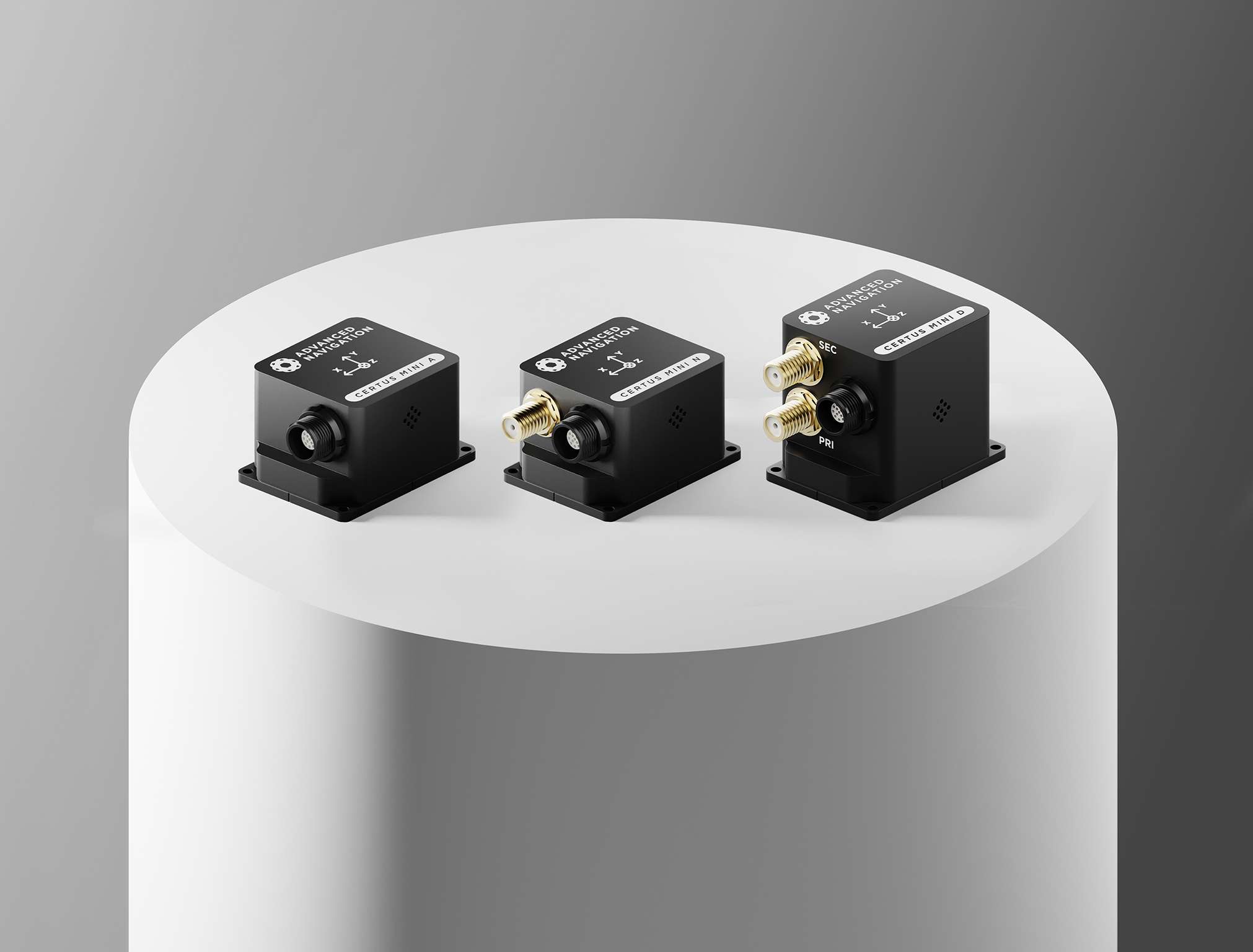
Advanced Navigation, a world leader in navigation and autonomous systems, has announced the expansion of its versatile Certus range, with the new Mini series. Available in three variants, the Certus Mini series includes a GNSS-aided Certus Mini D and Certus Mini N inertial navigation system (INS), while Certus Mini A functions as an attitude and heading reference system (AHRS). Weighing no more than 55 grams, the series delivers impressive performance and cost-efficiency, defying expectations for its weight and size. Advanced Navigation CEO Chris Shaw said, “Manufacturers and system integrators often face trade-offs between performance, size, cost, and weight. The Certus Mini series is a testament that these attributes do not need to conflict. This value-driven breakthrough lowers the entry barrier to precise and reliable navigation for customers deploying land-based vehicles. It also unlocks new possibilities for lightweight airborne platforms, such as drones, where every gram counts towards flight efficiency and power consumption. Designed with flexibility in mind, the series is easily integrated into existing and new system builds with simple plug-and-play…